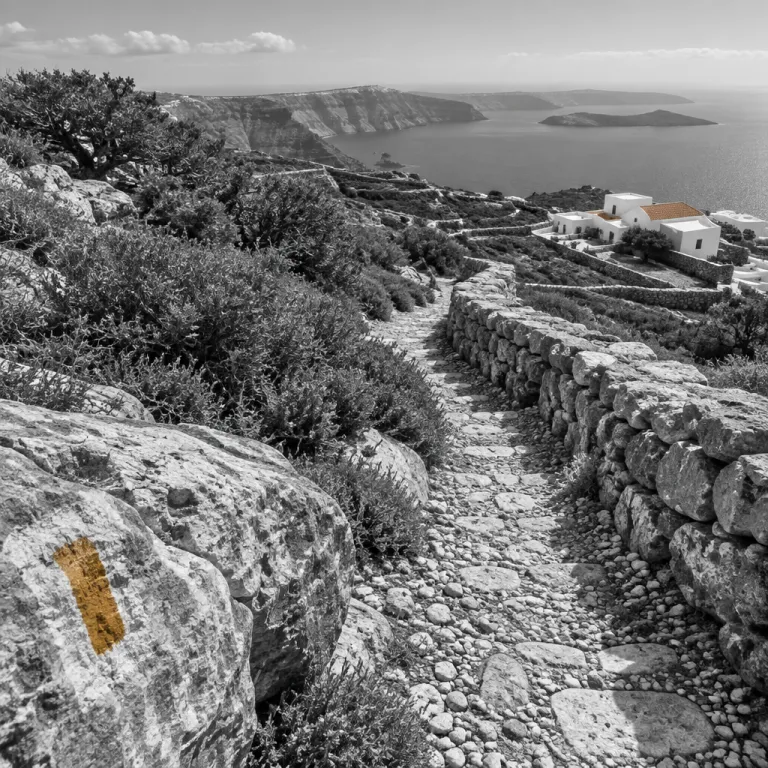
Why luxury travelers are finally paying attention to greek islands hiking
On the Greek islands, hiking is the quiet counterpoint to the beach club soundtrack. Luxury travelers are starting to plan an entire trip around coastal paths and heritage footpaths, then layering in premium hotels, yacht transfers and long lunches rather than the other way around. When you treat each island as a walking gallery of stone paths, chapels and terraces, the usual Greece itinerary of three days in one place and two in another suddenly feels too short.
High end properties across Greece now curate routes as carefully as wine lists, pairing a level moderate morning walk with an afternoon spa or private sailing. This shift suits the solo explorer who wants an active escape that still ends with a chilled glass of Assyrtiko and refined food rather than a bunk bed in a dorm. The best Greek islands for this style of travel combine clear waters, heritage trails and whitewashed villages with easy logistics, so you can hike one day, island hop the next and never feel rushed.
For many guests, the most memorable view is no longer from the infinity pool but from a ridge reached after a two hour hike. A well designed Greek islands hiking guide lets you choose between short day walks and longer routes that link several islands in one elegant arc. With Greece guided options, digital trail maps and responsive concierges, you can keep the spontaneity of independent travel while relying on local guides for the trickier sections.
Amorgos, Naxos and the high routes of the Cyclades islands
Amorgos is where hiking Greek dreams meet cinema mythology, the island that The Big Blue turned into a cult address. The cliff path to the Monastery of Hozoviotissa is a classic of any serious Greek islands hiking guide, a stone stairway that clings to a 300 metre rock face and rewards each step with a widening view of cobalt sea. The main route is roughly 1 kilometre each way with about 180 metres of ascent, enough to feel earned without being extreme. Plan your day so you reach the monastery early, then descend in time for a late lunch in Chora, where whitewashed houses tumble down the hill in a maze of alleys.
On nearby Naxos, the summit of Mount Zas offers the highest hike in the Greece Cyclades region, a 1,004 metre peak that still feels surprisingly quiet. The usual ascent from Aghia Marina is around 5 kilometres return with roughly 400 metres of elevation gain, while the longer route from Aria Spring adds distance and shade. According to local hiking associations, both routes are considered moderate in difficulty for reasonably fit walkers. Many luxury travelers base themselves between Tinos, Naxos and Paros, using fast ferries and private transfers to stitch together a tour Cyclades that balances hiking trekking with long swims and slow food. A typical itinerary might include two days of Cyclades hiking on Naxos, one day exploring the cave where Zeus was said to be raised, and another day circling back to a coastal hotel for a restorative massage.
Andros, often overlooked in favor of more famous Greek islands, is the serious hiker’s island, with over 300 kilometres of signed trails maintained by the Andros Routes Organization, which documents distances and elevation profiles on its official maps. Their work has turned the island into a benchmark for Greece guided walking holidays, with stone walled paths linking villages, monasteries and remote valleys in loops that suit both short hikes and full day adventures. As they put it in their own words, “Which Greek island has the most hiking trails? Andros has over 300km of trails.” Waymarked routes such as Andros Route 1 and 10 typically range from 6 to 15 kilometres, with clear signage and estimated walking times posted at trailheads.
For a deeper sense of how high end stays are evolving beyond the caldera clichés, look at how properties in Santorini now pair vineyard walks with heritage experiences, often combining tastings with visits to traditional basket pruned vines and small museums. The same mindset applies across the Cyclades islands, where a carefully chosen hotel can arrange a small group hike at dawn, a private picnic on a hidden beach and a sunset tasting in a family run winery. When your base understands walking holidays as part of the luxury offer, every day feels choreographed yet still free.
Tinos, Andros and the art of slow walking holidays
Tinos has quietly become the connoisseur’s island for walking holidays, a place where marble villages and sculptors’ workshops sit between terraced hillsides and chapels. The Tinos Trails initiative manages around 150 kilometres of paths, and its work has turned routes between Pyrgos, the sculptors’ village, and the boulder fields of Volax into some of the best level moderate walks in Greece. A refined Greek islands hiking guide will often suggest two or three days on Tinos alone, allowing time for both morning hikes and long afternoons in tavernas where the food is as carefully sourced as any city restaurant.
Andros complements Tinos perfectly, especially for a solo traveler who wants a longer walking holiday without sacrificing comfort. The Andros Routes équipe has restored stone bridges, waymarked cross island trails and created digital maps that make self guided travel feel reassuringly simple. Many luxury guests now book a weeklong trip that combines Tinos, Naxos and Andros, using small group transfers and Greece guided day hikes to sample different landscapes without constantly packing and unpacking. Typical ferry crossings between these islands take one to three hours, with services on routes such as Rafina–Andros–Tinos–Mykonos operated by major Greek ferry companies and seasonal high speed boats, short enough to feel like part of the adventure rather than a chore.
On both islands, local guides are the quiet heroes of any hiking trekking experience, adjusting pace, choosing shaded sections and pointing out chapels or springs you would otherwise miss. They know which trails stay breezy on hot days, where the best view for sunset lies and which whitewashed villages still bake their own bread. When your hotel concierge works closely with these local guides, your hikes feel less like generic adventures and more like being welcomed into a private landscape.
For travelers who balance outdoor adventures with wellness, these islands also pair beautifully with Aegean spa rituals and sea based therapies. Many high end properties now offer programs that combine a morning hike with afternoon treatments, a trend explored in this guide to Aegean wellness treatments you can only find on the Greek islands. The result is a walking holiday where each day’s effort on the trails is matched by restorative time in clear waters, hammams and quiet courtyards.
Crete, Corfu and the long distance classics of greece
Crete is where Greek hiking becomes epic, a place of gorges, plateaus and long distance routes that reward serious walkers. The Samaria Gorge is the headline act, a 16 kilometre walk through towering canyon walls that most Greek islands hiking guide writers rank among the best day hikes in Europe. The full route from Omalos to Agia Roumeli usually takes four to six hours, with around 1,200 metres of descent on rocky terrain, figures that match the official Samaria National Park information. It is demanding but manageable for anyone with a level moderate fitness base, especially if you start early, carry enough water and wear proper hiking boots.
The classic itinerary begins at Omalos, descends through the gorge and ends at the coastal village of Agia Roumeli, where you step straight from the trail onto the beach. From there, ferries and private boats connect to Chora Sfakion or Sougia in about one hour, turning the return into a mini cruise along clear waters and remote coves. High end hotels in western Crete can organize Greece guided versions of the Samaria Gorge hike, often in a small group with transfers, packed food and a reserved sunbed waiting at the end.
Far to the northwest, the Corfu Trail offers a different style of walking holiday, a multi day route of roughly 180 kilometres that crosses olive groves, ridges and quiet villages. While not on the Cyclades islands, it has become a reference point for long distance hikes in Greece, inspiring similar projects across the archipelagos. Many travelers now pair a section of the Corfu Trail with a shorter tour Cyclades, using domestic flights and ferries to create a trip that moves from lush green island to stark Aegean rock within a few days.
For those who prefer shorter hikes, both Crete and Corfu offer plenty of day walks that still feel wild. Hotels with strong concierge teams can suggest routes that match your time, fitness and appetite for exposure, whether you want a two hour coastal walk or a full day ascent. The key is to be honest about your experience, then let local guides and trail organizations shape the details.
Planning your greek islands hiking itinerary from a luxury base
Designing a Greek islands hiking itinerary for a luxury trip starts with the calendar, not the room category. The best months for hiking in Greece are spring and autumn, when temperatures are mild, the light is soft and the trails are quiet. Summer can work for short hikes, but July and August afternoons are usually too hot for anything beyond a brief walk to the beach.
For a first walking holiday, plan at least seven to ten days, splitting time between two or three islands with contrasting landscapes. One elegant itinerary might combine Amorgos for cliffside hikes, Naxos for Mount Zas and Tinos for marble village walks, all linked by ferries and private transfers. Another option is to focus on Greece Cyclades classics, using a single high end hotel as a hub and arranging small group or private Greece guided hikes to nearby islands.
Whatever the route, think in terms of rhythm rather than ticking off names on a map. Alternate demanding hikes with level moderate days, and always allow time for slow meals, swims in clear waters and unplanned detours through whitewashed villages. Many luxury properties now offer digital trail maps, GPS devices and curated picnics, turning each hike into a seamless extension of the hotel experience.
Safety and comfort matter as much as scenery. Wear proper hiking boots, carry sufficient water and always check weather forecasts before setting out, especially on exposed ridges or long gorge walks. With marked trails, reliable local guides and thoughtful hotel support, the Greek islands become not just a backdrop for sunsets but a walking landscape where every view feels earned.
How luxury hotels elevate hiking, walking and island adventures
The most interesting shift in Greece right now is how top tier hotels treat hiking as a core part of the guest journey. Concierges no longer simply hand over a photocopied map but help you choose between hikes, arrange transfers, book local guides and time your day so you reach the best view when the light is right. For solo travelers, that support turns a potentially daunting hike into a relaxed walking holiday with a safety net.
On islands like Amorgos, Naxos and Tinos, high end properties often partner with trail organizations and local guides to maintain paths and promote eco tourism. This collaboration keeps trails open, preserves cultural heritage and ensures that walking holidays contribute directly to village economies through food, lodging and guiding fees. Guests benefit from well marked trails, accurate information and the quiet satisfaction of knowing their trip supports the landscapes they came to hike.
Many hotels now design signature adventures that weave together hiking trekking, swimming and gastronomy in a single day. A typical example might be a morning hike to a chapel above the sea, a swim from a secluded beach reached only on foot, then a late lunch in a family run taverna where the fisherman’s wife sets the table when she sees the boat. These experiences feel intimate and unrepeatable, the opposite of a packaged tour Cyclades, yet they are meticulously planned behind the scenes.
For travelers using a Greek islands hiking guide as the backbone of their trip, the right hotel becomes both base camp and curator. It is where you return after a long hike to find your gear dried, your next day’s route loaded on a device and a table held at the restaurant with the island’s best view. In that moment, the line between outdoor adventures and luxury hospitality disappears, and the Greek islands feel like they were designed for walking.
FAQ
When is the best time to hike on the greek islands ?
The most comfortable seasons for hiking on the Greek islands are spring and autumn, when temperatures are mild and the light is clear. Summer can work for short early morning or evening walks, but midday heat in July and August makes longer hikes uncomfortable and sometimes unsafe. Winter brings cooler weather and occasional rain, so trails can be quieter but require better gear and flexibility.
Are greek island trails well marked for independent hikers ?
Many islands now have well marked trails, especially Andros and Tinos, where dedicated organizations maintain extensive networks with clear signage. Digital trail maps and GPS tracks are widely available, and luxury hotels often preload routes on devices or provide printed maps. For more remote hikes or gorge walks, hiring local guides remains the safest and most informative option.
Do I need a guide for the samaria gorge and mount Zas hikes ?
Fit and experienced hikers can walk both Samaria Gorge and Mount Zas independently, as the main routes are established and popular. However, a Greece guided hike adds safety, logistics and local insight, especially for solo travelers or those unfamiliar with mountain terrain. Many high end hotels in Crete and Naxos can arrange small group or private guiding that includes transfers, timing advice and post hike arrangements.
How many days should I plan for a greek islands hiking focused trip ?
A dedicated hiking trip to the Greek islands deserves at least seven to ten days, allowing time for travel between islands and rest days. With a week, you can comfortably combine two islands, such as Naxos and Tinos or Crete and a smaller neighbor. Longer trips of ten to fourteen days open up more ambitious itineraries, including sections of the Corfu Trail or multi island Cyclades hiking routes.
What gear is essential for luxury oriented hiking on the islands ?
Even when staying in high end hotels, you still need solid hiking boots, a breathable daypack, sun protection and enough capacity for water. Lightweight trekking poles help on steep descents like Samaria Gorge, while a compact first aid kit and layered clothing handle changing conditions. Many luxury properties can provide extras such as walking poles, picnic sets or GPS devices, but footwear and personal comfort items are best brought from home.