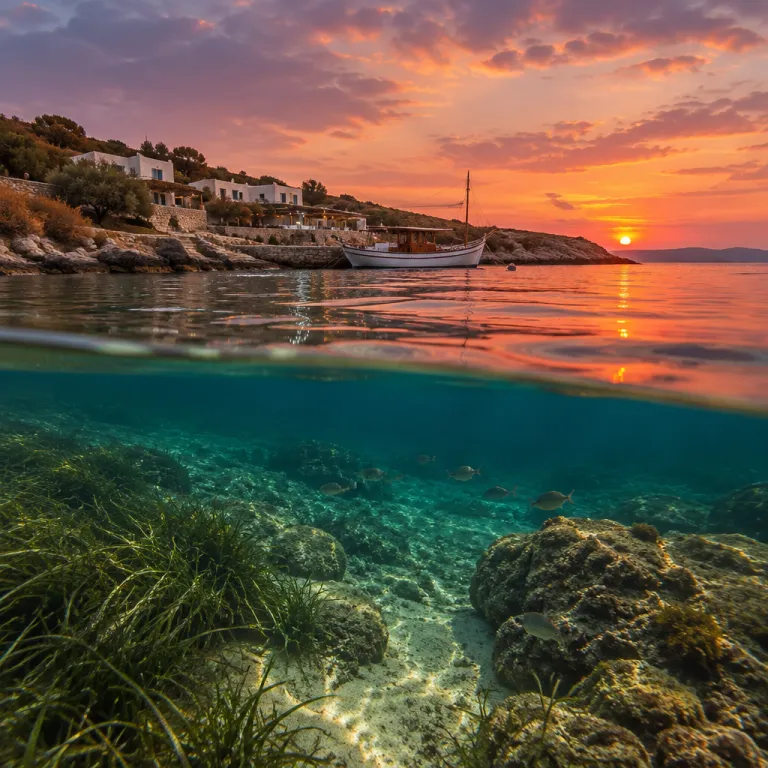
Greek islands scuba diving in autumn: why the season changes everything
By early autumn, the sea around Greece is still holding summer heat. For many divers, this is the best time to plan a greek islands scuba diving autumn escape, because the Aegean and Ionian waters settle into long, glassy days with fewer boats and quieter harbors. Water temperatures often hover between 22 and 24 °C, which keeps open water training comfortable while still rewarding experienced divers with long, unhurried bottom times.
Visibility in these clear waters can reach 25 to 30 m, so every reef and rock ledge appears etched in high definition beneath your fins. The strong meltemi winds of the summer months usually ease, which means sailing between islands becomes smoother and small dive boats can reach more exposed diving spots. For couples planning holidays in Greece with a focus on scuba diving, this shoulder season rhythm feels calmer on the surface yet more vivid under the water.
Autumn also changes how you use your luxury base on each island. Days start on a shaded terrace with coffee, then move seamlessly from a relaxed dive briefing to a late lunch by the sea and a slow walk through a whitewashed village. When you are not planning the next dive site, you can enjoy spa time, wine tastings or a private sailing charter, knowing that the greek islands around you are finally breathing at their own pace again.
Choosing the right island base: couples, calm seas and serious diving
Picking the right island is the single most important decision for a greek islands scuba diving autumn trip. Some islands in Greece are better for nightlife and sailing parties, while others quietly specialize in serious scuba operations, clear waters and refined hotels that understand divers’ needs. For a couple, the sweet spot is an island where you can dive in the morning, then return to a suite with a sea view, a good wine list and staff who will happily arrange a late check out after a two-dive day.
Santorini is often the first greek island that comes to mind, and its caldera walls and the volcanic islet of Nea Kameni offer dramatic dive sites with steep drop offs and black sand. Yet the island’s marine life is more subtle than tropical reefs, so the real luxury lies in pairing these dives with an adults only retreat that feels built for the post summer traveler, such as the properties highlighted in our guide to unhurried Greek island retreats for autumn. Couples who prefer lush hillsides and softer light often look to the Ionian Islands, where Corfu, Zakynthos and Kefalonia combine elegant hotels with access to caves, seagrass meadows and occasional encounters with the elusive monk seal.
When comparing islands, think in terms of how you will actually move through each day. On a compact island, the best dive sites might sit just 10 minutes from your hotel’s private jetty, while on larger islands you may spend an hour crossing the sea each morning before the first dive. The most rewarding greek islands scuba diving autumn bases offer short transfers, reliable marine park operators and a choice of restaurants within walking distance, so you can leave the logistics to others and focus on the water.
Where the water shines: Aegean calderas, Ionian caves and protected marine parks
The Aegean and Ionian seas do not compete with the Red Sea or the Maldives for coral density, yet their character is different rather than lacking. In Greece, the appeal lies in crystal clear water, sculpted volcanic formations, ancient history and the quiet drama of descending along a wall where amphora fragments still rest between sponges. Autumn light slants lower across the sea, which makes the surface calmer and the transition from deck to dive feel almost ceremonial.
In Santorini, the caldera and Nea Kameni form a natural amphitheater of diving spots, with lava formations, vertical walls and pockets of marine life sheltering in cracks and ledges. Over in the Ionian Islands, the coastline around Corfu and its neighboring islets offers caves, arches and blue holes, and our detailed guide to refined island stays by the Ionian Sea at Paleokastritsa shows how easily you can pair a luxury hotel with daily dives. Zakynthos and Alonissos each host a national marine park, where regulations protect seagrass meadows, reefs and nesting grounds, giving divers a better chance of seeing turtles and, very occasionally, a monk seal slipping through the blue.
For couples planning a greek islands scuba diving autumn itinerary, these marine parks and protected sites matter. They concentrate marine life, regulate boat traffic and often limit fishing, which means more relaxed fish, healthier reef structures and less noise underwater. Whether you are an open water graduate or among the more advanced divers, you will appreciate how these zones combine conservation with access, turning each dive site into part of a wider story about how Greece is rethinking its relationship with the sea.
From resort try-dive to serious operator: how to choose who you dive with
Many luxury hotels in the greek islands now offer a complimentary pool session or a short resort dive, which can be a gentle way to test your comfort in the water. These experiences are fine as a first taste, but a greek islands scuba diving autumn holiday deserves more than a shallow, crowded site shared with half a dozen nervous first timers. The real depth of the Aegean and Ionian seas opens up when you book with a dedicated island dive center that treats training, safety and marine life with equal respect.
When assessing operators in Greece, look for small groups, clear briefings, oxygen on board and guides who talk about the reef and marine park rules as naturally as they discuss equipment. A serious center will ask about your certification level, logbook and recent dives, then suggest appropriate dive sites for both experienced divers and those who are newly certified. Couples where one partner is an advanced diver and the other prefers snorkeling or a single shallow dive should ask whether the boat visits multi level sites, so each person can enjoy the same stretch of water at their own depth.
Autumn is often the best time for this more tailored approach, because there are fewer resort guests chasing the same limited boat spaces. You will find that guides have more time to point out subtle marine life, from nudibranchs on a rock face to the shadow of a monk seal passing the edge of your vision. The difference between a rushed resort dive and a carefully planned two tank day with a specialist operator can define how you remember the greek islands long after the trip ends.
Luxury stays that work with the water: how hotels shape your diving days
On a greek islands scuba diving autumn escape, your hotel is more than a place to sleep. It becomes the platform from which every dive, every sail and every slow afternoon by the sea unfolds. The best properties in Greece understand that divers keep unusual hours, carry damp gear and return from the water hungry, happy and slightly sun dazed.
Look for hotels that offer early breakfasts, flexible housekeeping and shaded outdoor spaces where you can rinse and dry equipment without disturbing other guests. Some island retreats partner directly with local dive centers, arranging private transfers to the boat, storing your gear between days and even timing spa appointments around your surface intervals. For couples, this integration means one partner can enjoy a massage or a quiet pool while the other completes a second dive, then both can reunite over a late lunch overlooking the sea.
On smaller islands, a hotel’s relationship with the harbor can be as important as its room category. Properties that sit within a short walk or a quick tender ride of the main jetty reduce the friction between bed and boat, especially when autumn mornings bring cooler air above still warm water. When you read reviews on stay-in-greek-islands.com, pay attention to how often guests mention the ease of reaching dive boats, the clarity of the nearby waters and the staff’s familiarity with local dive sites, because these details quietly shape the rhythm of your entire trip.
Designing a multi-island autumn itinerary: sailing, wrecks and quiet harbors
Once you realize how gentle the sea can be in autumn, a multi island itinerary starts to make sense. Sailing between islands in Greece at this time of year often means calmer crossings, fewer crowds on deck and more flexibility to reach remote diving spots that feel inaccessible in the peak summer months. For a couple, this is the moment to combine a few days in a well connected hub with a quieter outpost where the night sky is darker and the only sound after dinner is the slap of water against the quay.
One elegant route is to start in the Ionian Islands, using Corfu or Kefalonia as a base for caves, walls and relaxed reef dives, then fly or sail east to the Cyclades for volcanic formations around Santorini and the nearby islets. From there, more adventurous divers can continue toward the Dodecanese, where islands like Kastellorizo sit at the literal edge of Greece and offer a different cultural texture, as explored in our feature on Kastellorizo at the edge of Greece. Throughout this arc, you will encounter a mix of shallow sites suitable for open water divers and deeper walls or wrecks that appeal to advanced divers who are comfortable with longer descents.
Planning a greek islands scuba diving autumn journey also means respecting the sea’s limits. Check which national marine parks require permits, ask local operators about the best time of day for each dive site and remember that some wrecks and underwater archaeological sites in Greece are newly opened and still subject to changing regulations. Build in rest days where you simply swim in crystal clear shallows, walk the harbor at sunset or take a short sailing trip without tanks, because the luxury of this season lies as much in empty quays and quiet tavernas as in the dives themselves.
Key figures for greek islands scuba diving in autumn
- Average autumn sea temperatures in much of the Aegean and Ionian seas range from 22 to 24 °C, compared with around 18 to 20 °C in late spring, which makes this one of the best times for longer dives without heavy exposure protection (data from the Hellenic National Meteorological Service).
- Underwater visibility around many greek islands often exceeds 25 m in early autumn, while summer months can see reduced clarity near busy ports due to increased boat traffic and surface activity (reported by regional diving Greece associations).
- Greece has established multiple national marine parks, including protected zones in Alonissos and Zakynthos, covering thousands of hectares of sea and coastline to safeguard marine life such as turtles and the Mediterranean monk seal (information from the Hellenic Ministry of Environment and Energy).
- Tourism statistics from the Bank of Greece show that international arrivals drop significantly after the peak summer months, which translates into quieter dive boats, less crowded sites and more availability at luxury hotels during autumn.
FAQ about autumn diving in the Greek islands
Is autumn really the best time for scuba diving in the Greek islands ?
For many divers, autumn offers the best balance of warm water, clear visibility and fewer crowds in Greece. Sea temperatures remain comfortable from the summer months, while boat traffic decreases, which often improves conditions at popular dive sites. Luxury hotels also tend to be calmer, making it easier to combine serious diving with a relaxed island stay.
Which Greek islands are best for autumn diving and luxury hotels ?
Santorini appeals to divers who enjoy volcanic landscapes and dramatic caldera walls, especially around Nea Kameni, while the Ionian Islands such as Corfu and Kefalonia offer caves, arches and lush scenery on land. Zakynthos and Alonissos stand out for their national marine parks, where protection measures support healthier marine life. When choosing, consider both the quality of dive sites and the level of hotel service you expect.
Can beginners enjoy a greek islands scuba diving autumn holiday ?
Yes, beginners can have an excellent experience, provided they choose operators who limit group sizes and match dive sites to open water level skills. Many island centers offer entry level courses and guided dives on shallow reefs with easy access and gentle conditions. Couples where one partner is new to diving can still share boats and itineraries, as long as advanced divers respect depth limits and follow guide recommendations.
How should I choose a dive center in the Greek islands ?
Look for certified centers with experienced divers on staff, clear safety protocols, oxygen on board and a strong focus on local marine life and conservation rules. A good operator in Greece will ask about your recent dives, suggest appropriate dive sites and explain how they protect the reef and marine park regulations. Reading detailed reviews and asking your hotel for honest feedback can help you avoid purely tourist focused operations.
What should couples consider when booking a hotel for a diving focused trip ?
Couples should prioritize hotels with flexible meal times, proximity to the harbor or dive center and staff who understand the rhythm of diving days. Properties that offer gear storage, early breakfasts and late check outs make two dive days far more comfortable. It is also worth choosing an island where non diving activities, such as sailing, spa treatments or coastal walks, are easy to arrange for the partner who spends less time underwater.