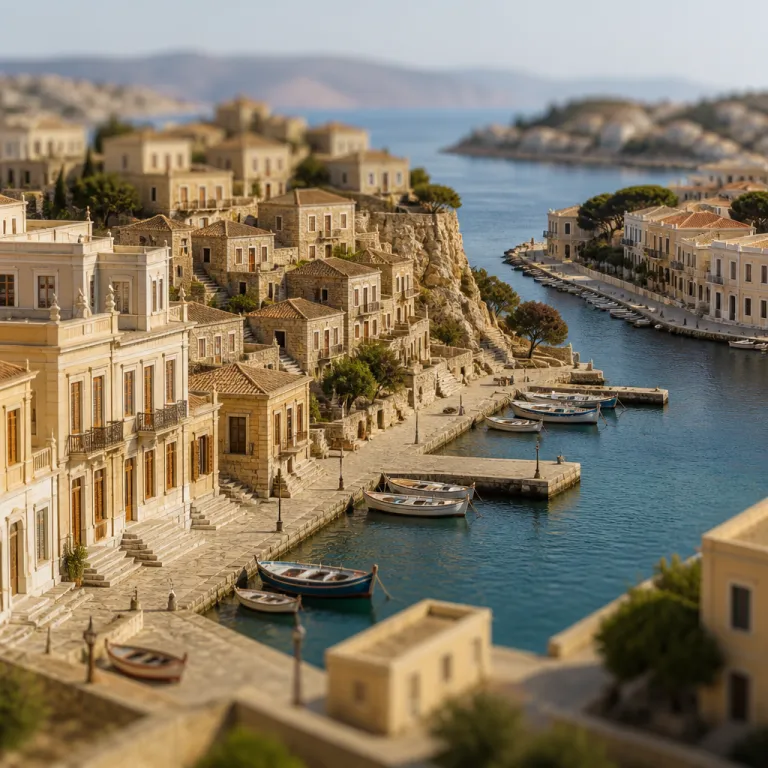
Why design led travelers are pivoting to Syros, Hydra and Spetses
For travelers who read façades as closely as wine lists, the greek islands architecture neoclassical heritage offers a different kind of escape. On Syros, Hydra and Spetses, the built environment carries as much weight as the sea, creating islands where architecture in greek and neoclassical style quietly sets the pace of each day. These are places where a single house or square can tell you more about greece than a dozen sunset photos ever will.
Business travelers who know Mykonos and Santorini often arrive here with sharper expectations, and the islands respond with serious architectural depth. In Ermoupoli on Syros, neoclassical architecture meets cycladic architecture in a rare urban composition, while Hydra and Spetses preserve grand houses and public buildings that trace a continuous line back to ancient greece and the early neoclassical movement. The result is a trio of greek islands where every building you pass feels part of a curated open air museum, yet the hotels remain resolutely lived in rather than staged.
For a luxury and premium hotel booking strategy, this matters. Limited building rights, strict preservation rules and a strong sense of history mean that many neoclassical buildings and traditional houses have been carefully converted into high service properties instead of anonymous new building complexes. When you book on stay in greek islands style platforms, you are often choosing between one restored classical house and another, each with its own architectural styles, decorative arts and story rather than between room categories alone.
Ermoupoli, Syros: neoclassical theatre, twin hills and serious city energy
Syros is the administrative capital of the Cyclades, and Ermoupoli is where greek architecture, commerce and culture intersect in a way that feels more like a small city than a resort. The town’s plan was built in the nineteenth century, when neoclassical style and greek revival ideals shaped everything from the town hall to the waterfront warehouses. Walking its marble streets, you see how classical architecture, cycladic architecture and modern greek life coexist in a single, compact urban amphitheatre.
Start in Miaouli Square, framed by monumental neoclassical buildings and the imposing town hall designed in a strict architecture neoclassical idiom. From here, a short walk brings you to the Apollon Theatre, often described as a miniature La Scala and a textbook of neoclassical architecture with italianate and roman references in its decorative arts program. Local guides like to remind visitors that “Neoclassical architecture dominates Syros.”, and a slow circuit of the surrounding streets confirms how thoroughly that neoclassical movement reshaped this once modest port.
Then look up to the twin hills that define Ermoupoli’s skyline. To one side rises the Catholic quarter of Ano Syros, a medieval cycladic settlement of white houses and narrow lanes, while opposite stands the Orthodox district of Vrodado with its grander classical houses and churches. Two hilltop settlements, two cultures, one town ; together they show how architecture greek traditions, ancient greek references and later classical styles were layered over an older cycladic building fabric. For hotel guests, staying in a restored neoclassical house near the waterfront or a converted mansion in Ano Syros means waking up inside this history rather than merely viewing it from a café table.
Hydra: preserved stone mansions and a car free urban stage
Hydra is one of the best preserved islands in the Mediterranean, and its harbour is a lesson in how strict rules can protect greek islands architecture neoclassical heritage. The island bans motorised vehicles, and new construction is tightly controlled, so almost every building you see is either an original stone house or a carefully restored structure. That absence of cars changes not only the soundscape but also how you read the architecture, because you move at walking pace and notice every cornice, stair and doorway.
The mansions that ring the port were built by shipowners whose fortunes rose with greece’s maritime trade, and their architectural styles blend local stonework with classical and sometimes subtle roman references. Many of these houses have become intimate luxury hotels, where thick walls, inner courtyards and antique decorative arts are preserved rather than replaced by generic design. Because nothing large can be built on Hydra now, the supply of rooms in such neoclassical buildings and traditional houses remains limited, which keeps standards high and encourages owners to lean into the island’s history instead of chasing volume.
Walking from the harbour up into the back streets, you pass smaller houses and chapels that show how ancient greek and classical architecture ideas filtered into everyday building practice over the century. Stone staircases, vaulted ground floors and carefully proportioned windows speak to a vernacular greek style that predates the formal neoclassical movement but sits comfortably beside it. For travelers booking premium stays, this means choosing between a former captain’s house with harbour views or a quieter building higher up the hill, both offering architecture greek character that no new build in the united states or elsewhere could easily replicate.
Spetses: captain mansions, pine fringed roads and a grand waterfront hotel
Spetses has a softer light and more wooded profile than many cycladic islands, and its architecture reflects a long maritime history shaped by shipping wealth. The waterfront is lined with grand captain houses, many built in the late eighteenth and nineteenth century with clear neoclassical style influences and occasional venetian flourishes. Behind them, narrow streets reveal a mix of traditional houses and later neoclassical buildings that together create a layered portrait of modern greek prosperity.
The island is small enough to explore by bicycle, and horse drawn carriages still clip along the seafront, reinforcing the sense that time moves differently here. As you cycle the pine lined coastal road, you pass villas and public buildings whose architectural styles echo both classical architecture and the more decorative side of the neoclassical movement. Some façades show the influence of european architects such as Robert Adam and Theophil Hansen, whose work in athens and other parts of greece helped codify what many now think of as pure greek revival and architecture neoclassical language.
At the heart of the harbour stands the Poseidonion Grand Hotel, an architectural landmark built in an era when greece looked outward to european spa towns for inspiration. Its façade combines elements of greek architecture, classical symmetry and turn of the century decorative arts, making it a case study in how neoclassical style could be adapted for leisure rather than national institutions. Booking a room here or in one of the restored captain houses nearby places you inside the story of ancient greece refracted through modern greek ambition, rather than in a generic luxury shell that could sit in any coastal resort in the united states.
How to structure a 5 to 7 day architecture focused itinerary
For travelers with limited time, a 5 to 7 day itinerary linking Syros, Hydra and Spetses offers a concentrated lesson in greek islands architecture neoclassical heritage. All three islands connect by fast ferry from Piraeus near athens, with crossing times typically between 2 and 4 hours depending on the route. Planning your hotel bookings around ferry schedules is essential, because these are working islands with real populations rather than purpose built resorts.
One effective sequence starts in Syros for two nights, giving you a full day to walk Ermoupoli’s neoclassical buildings, the Apollon Theatre and the twin hill districts of Ano Syros and Vrodado. From there, you can route back via athens and onward to Hydra for two or three nights, using the car free harbour as a base for slow architectural exploration of mansions, churches and smaller houses. Finish with two nights on Spetses, where bicycle rides past captain houses and the Poseidonion Grand Hotel round out your immersion in greek architecture, classical forms and the evolution of neoclassical architecture in island settings.
For comfort on walking tours, wear supportive shoes and plan your main architectural walks for mornings or late afternoons, especially in warmer months. May, June and September are particularly well suited to architecture greek themed trips, with softer light on stone buildings and more comfortable temperatures for climbing stepped streets. Throughout, choose hotels housed in restored neoclassical buildings or traditional cycladic architecture structures, so that every return to your room feels like a continuation of the day’s lessons in ancient greek references, classical architecture lines and the living history of greece’s coastal building traditions.
Choosing architecturally significant hotels on Syros, Hydra and Spetses
When you filter properties on a luxury and premium hotel booking website focused on the greek islands, pay close attention to the building’s story rather than only its amenities. Look for hotels housed in listed neoclassical buildings, former captain houses or restored mansions that explicitly reference their architectural history. These structures were often built during a century when greek revival and architecture neoclassical ideals shaped both national institutions and private homes, leaving a legacy that now underpins high end hospitality.
On Syros, that might mean a waterfront house with original marble floors and high ceilings, where classical architecture details have been preserved alongside discreet modern greek comforts. Hydra offers stone mansions where thick walls, inner courtyards and period decorative arts create a sense of continuity with ancient greece and later classical styles, even as Wi Fi and climate control quietly meet contemporary expectations. In Spetses, many of the most atmospheric stays occupy captain houses whose façades echo the work of architects like Robert Adam and Theophil Hansen, translating grand urban greek style into island scale buildings.
Across all three islands, the most rewarding properties treat architecture as a central part of the guest experience rather than a backdrop. They might offer guided walks that explain how cycladic architecture differs from classical forms, or how roman and ancient greek motifs were reinterpreted during the neoclassical movement in greece and beyond. Choosing such hotels turns your stay into an extended seminar in architecture greek traditions, where every corridor and courtyard deepens your understanding of greek islands architecture neoclassical heritage while still delivering the service standards a business leisure traveler expects.
FAQ
What is the main architectural style in Syros?
The main architectural style in Syros is neoclassical, especially in Ermoupoli, where town hall, theatres and waterfront buildings follow clear classical architecture principles. This neoclassical architecture reflects a period when greece embraced greek revival ideals and looked to ancient greece and roman precedents for inspiration. In the backstreets and hill districts, you also see cycladic architecture and older houses that predate the neoclassical movement but now sit comfortably beside it.
Are cars allowed in Hydra?
Cars are not allowed in Hydra, which bans motor vehicles and relies on walking, donkeys and small boats for transport. This policy has helped preserve the island’s historic houses, stone buildings and harbour, because no new wide roads or large parking areas have been built. For hotel guests, the absence of traffic means a quieter experience and more time to appreciate the architecture greek character of each house and street.
What transportation is used in Spetses?
On Spetses, many visitors and locals use bicycles and horse drawn carriages, especially around the main harbour and coastal road. This slower pace suits an island where grand captain houses, neoclassical buildings and pine fringed villas line the waterfront. By moving at bicycle speed, you can study architectural styles, decorative arts details and the way classical and modern greek influences meet in each building.
How long should I stay on each island for an architecture focused trip?
For a trip centred on greek islands architecture neoclassical heritage, plan at least two nights on each of Syros, Hydra and Spetses. That gives you one full day per island to walk key districts, visit major buildings and still enjoy unhurried meals in harbourfront tavernas. Travelers with more time can extend stays to three nights on Syros or Hydra to explore smaller houses, churches and less visited neighbourhoods where architecture neoclassical and vernacular forms blend.
When is the best time to visit for architecture walks without extreme heat?
The most comfortable months for extended architecture walks are May, June and September, when temperatures are milder and light is softer on stone façades. During these periods, you can spend several hours exploring neoclassical style buildings, classical architecture landmarks and cycladic lanes without the peak summer heat. Early mornings and late afternoons are ideal for climbing stepped streets in Ermoupoli, Hydra town and Spetses, especially if you plan to photograph houses and public buildings.