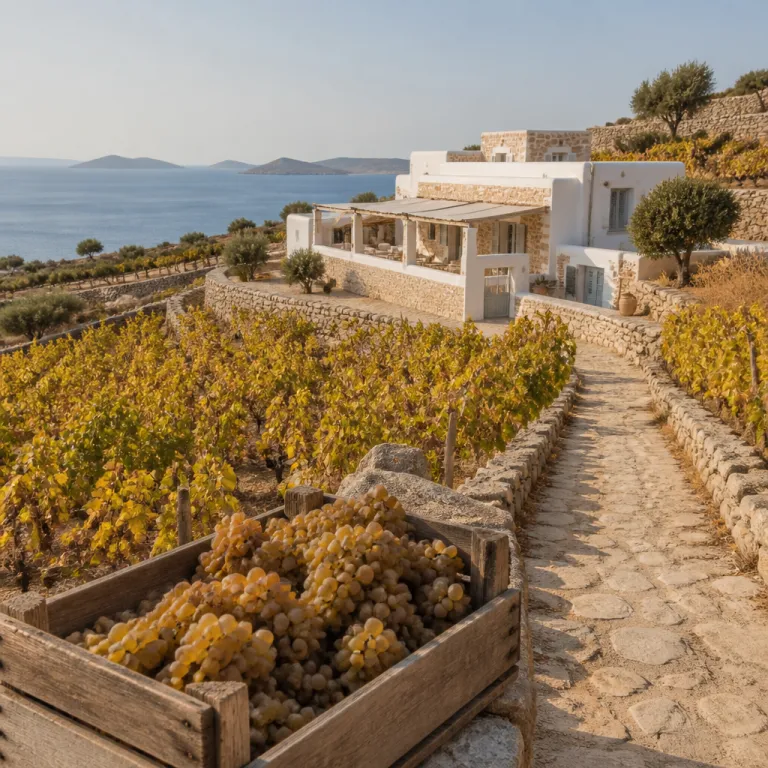
Vedema on the islands: how grape harvest reshapes family holidays
Vedema is the grape harvest season in Greece, when vineyards across the islands shift from postcard scenery to working landscapes. For families planning holidays in Greece, timing a stay to vedema turns a simple resort break into one of the most hands on island experiences. Children see how grapes become wine, parents taste serious Greek wine, and everyone feels closer to the rhythm of country life.
Across the Greek islands, grape harvest usually runs from August into September, with the heart of the activity in September when the light softens and the meltemi winds ease. This is when greek islands grape harvest agritourism comes into its own, as estates open their gates for picking, pressing and long farm table lunches under olive trees. Luxury hotels now curate these experiences, pairing private transfers to an estate with guided walks through olive groves, oil tasting at a restored olive press and relaxed tastings of Assyrtiko or other local varieties.
Families interested in agrotourism holidays will find that vedema blends play and learning in a way screens never can. Children can help sort grapes, meet farm animals on an organic farm and understand how olive oil and wine shape Greek cuisine and everyday farm life. Parents, meanwhile, enjoy the slower pace of nature focused activities, from horse riding through stone built villages to sunset picnics in vineyards that feel a world away from high summer tourism crowds.
Santorini and Paros: volcanic vineyards and family friendly estates
Santorini is the headline act for greek islands grape harvest agritourism, its volcanic soil and basket trained vines producing the island’s signature Assyrtiko. Here, the best places to stay for vedema balance caldera views with easy access to inland villages such as Pyrgos and Megalochori, where many estate owners still follow traditional methods. Families can book refined suites, then spend mornings at vineyards watching the grape harvest and afternoons by the pool while the island’s light turns honeyed.
Paros offers a softer, more low key version of the same story, with estates near Naousa and Lefkes that welcome children for relaxed tastings and vineyard walks. The island’s Protected Designation of Origin wines, often based on Monemvasia and Mandilaria grapes, pair beautifully with local food, from grilled fish to slow cooked goat. For families who want greek islands grape harvest agritourism without the drama of Santorini’s cliffs, Paros feels like central Greece and the islands in one, with gentle hills, olive trees and beaches close to the vineyards.
Luxury and premium hotels on both islands increasingly package vedema activities into autumn stays, from private transfers to an estate for a guided experience to curated farm table dinners featuring Greek cuisine and local olive oil. On Paros, some properties arrange visits that combine wine tasting with short horse riding sessions for children, while on Santorini, the most thoughtful concierges steer families away from crowded sunset terraces toward quieter cellar tours. If you are considering a wider island itinerary, Syros hotels for discerning travellers offer an elegant urban counterpoint to these vineyard stays, and you can explore this Aegean elegance in more depth through our dedicated guide to Syros hotels for discerning travellers seeking Aegean elegance.
From Crete to northern Greece: agritourism estates with real farm life
While the Cyclades dominate the postcards, Crete quietly leads when it comes to immersive greek islands grape harvest agritourism for families. Around Chania and Rethymno, traditional estates such as Metohi Kindelis sit among olive groves and small vineyards, offering suites in stone built farmhouses where children wake to the sound of roosters rather than traffic. Here, grape harvest activities blend naturally with daily farm life, from feeding chickens to watching the first olives reach the olive press later in the season.
On Crete, the mix of Cretan wine, olive oil and generous food culture makes vedema feel like a long, slow lunch that stretches across your entire stay. Families can visit an organic farm in the hills, taste young Cretan wine alongside local cheeses and learn how olive oil underpins both Greek cuisine and rural life. Some estates arrange gentle horse riding through olive trees and vineyards, while others focus on hands on activities such as picking grapes, preparing meze at the farm table and joining an informal oil tasting when the first pressing begins.
Beyond the islands, northern Greece and central Greece add another layer to the story for families combining a mainland road trip with holidays in Greece. Properties such as Ktima Bellou in the foothills of Mount Olympus offer a refined version of agrotourism, with elegant rooms, serious cuisine and direct access to nature trails. Pairing a stay here with a few nights on Santorini, where you can choose where to stay in Santorini for the most memorable views and refined comfort, creates a journey that moves from mountain estates to caldera cliffs while keeping grape harvest and agritourism holidays at its heart.
How luxury hotels curate vedema: practical tips for premium families
For premium families, the key to greek islands grape harvest agritourism is choosing hotels that treat vedema as more than a marketing line. The most thoughtful properties in Greece work closely with nearby estates, arranging private or small group experiences that respect both the vines and the people who tend them. You are not just dropped at a farm gate ; you are welcomed into a working estate where grape harvest, olive oil production and daily activities unfold at their natural pace.
When comparing options, ask concierges specific questions about the experiences they arrange, from access to an organic farm with child friendly activities to the possibility of joining a short picking session. Families who value privacy should look for suites or villas on stone built estates, where children can nap between outings and parents can linger over a glass of Greek wine on their terrace. Some hotels also collaborate with country houses that host farm table lunches, where Cretan or other regional food is served family style under olive trees, turning a simple meal into a lasting experience.
It is worth planning dates carefully, as vedema shifts slightly between islands and even between neighbouring olive groves and vineyards. Aim for early to mid September if you want the best chance of seeing active grape harvest work without the peak heat or crowds of high summer tourism. For couples within the family group considering a quieter escape before or after the main trip, our guide to romantic escapes in the Greek Islands and the best resorts in Greece for couples offers ideas that pair beautifully with a harvest focused itinerary, ensuring that greek islands grape harvest agritourism becomes part of a wider, deeply textured journey.
FAQ about vedema and greek islands grape harvest agritourism
When is the best time to visit the Greek islands for the grape harvest ?
The grape harvest on the Greek islands usually runs from August into September, with September as the most reliable month for active picking. Early September often combines cooler temperatures, fewer crowds and busy vineyards, which suits premium families planning holidays in Greece. Always check with your chosen estate or hotel, as exact dates vary by island, grape variety and recent weather.
Which Greek islands are best for family friendly harvest experiences ?
Santorini and Paros are excellent for families who want structured vineyard visits alongside comfortable luxury hotels and easy beach access. Crete offers deeper immersion in farm life, with estates such as Metohi Kindelis combining vineyards, olive groves and child friendly spaces in a single property. Families who enjoy road trips can also add mainland estates in northern Greece or central Greece, such as Ktima Bellou, to create a varied agritourism itinerary.
Are grape harvest activities suitable for young children ?
Many estates welcome children, especially during daytime visits focused on walking through vineyards, meeting farm animals and tasting grape juice rather than wine. Young guests usually enjoy simple tasks such as carrying small baskets, rinsing grapes or helping set the farm table for lunch. Always ask your hotel or the estate in advance about age limits, safety rules and the length of each activity to ensure it matches your family’s rhythm.
How should we choose a hotel for a harvest focused stay ?
Look for properties that can name specific partner estates and describe concrete activities, such as guided vineyard walks, oil tasting at a traditional olive press or visits to an organic farm. Premium families often prefer suites or villas on stone built estates or in quiet villages, which provide space for children and easy access to nature. Reading detailed reviews and speaking directly with the concierge will help you gauge whether greek islands grape harvest agritourism is truly integrated into the stay or simply mentioned in marketing copy.
Can we combine wine tasting with other outdoor activities during vedema ?
Yes, many regions blend vineyard visits with broader nature based experiences, from gentle horse riding through olive trees to short hikes between villages. On Crete and other large islands, it is common to spend a morning at an estate learning about grape harvest and olive oil, then head to the coast for a swim or a relaxed taverna lunch. This mix of activities keeps children engaged and allows adults to enjoy Greek wine and cuisine without feeling tied to a single theme all day.