How to define the best area in Greece to visit for luxury stays
Choosing the best area in Greece to visit for a luxury hotel stay starts with understanding how different each Greek island really is. The Greek islands stretch from the Ionian Sea to the Aegean Sea, and every island offers its own balance of sandy beaches, ancient ruins, and refined hotels. When you compare these areas with mainland Greece, you quickly see why many travellers focus their search on islands with strong infrastructure, direct flight connections, and a mature luxury scene.
For many guests, the ideal region in Greece is where sea views, service, and access align with their style of travel. Some travellers want a low key Greek island with quiet sandy beaches, while others prefer a large island with lively towns, upscale restaurants, and easy island hopping options. Before you book any hotel, decide whether you prioritise family friendly facilities, adults only privacy, or suites with private pools overlooking turquoise waters.
Luxury travel guides often group the Greek islands into three main clusters that help narrow your search. The Cyclades, including Santorini, Paros, and Naxos island, are famous for whitewashed villages and dramatic rock formations above the Aegean Sea. The Ionian islands, such as Corfu and Zakynthos, sit in the greener Ionian Sea and offer softer landscapes, while Crete stands apart as a large island with its own culture, cuisine, and deeply rooted ancient history.
Santorini and the Cyclades: iconic views and refined hotels
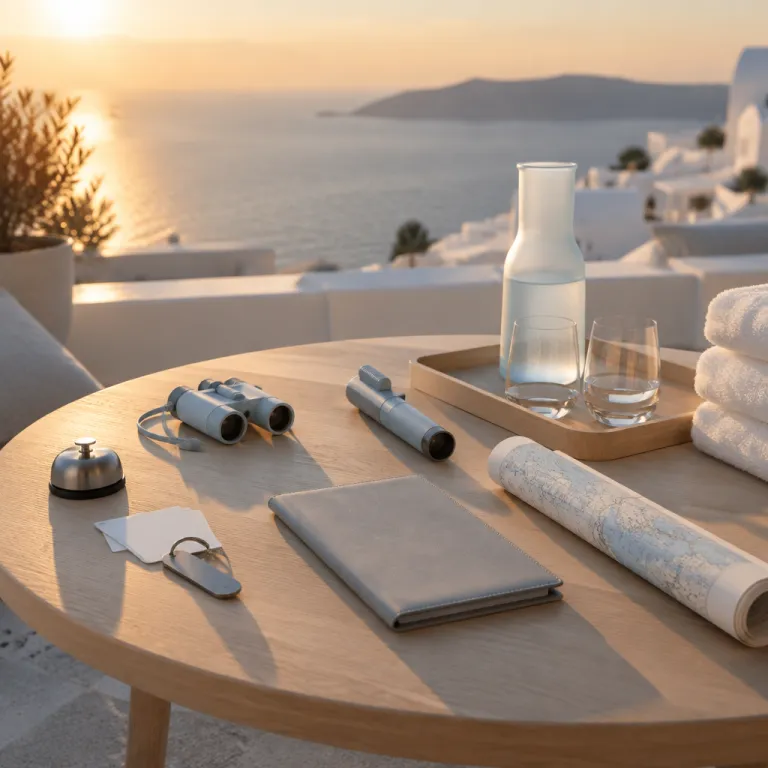
For many travellers, the best area in Greece to visit for a once in a lifetime stay is Santorini and the surrounding Cyclades. This volcanic Greek island delivers some of the most photographed sea views in the world, with hotels carved into cliffs and infinity pools that seem to merge with the Aegean Sea. When you book a luxury hotel here, focus on caldera facing suites with private pools, because the combination of sunsets, rock formations, and service defines the experience.
Santorini works well for couples and small groups, while nearby islands like Paros and Naxos are often more family friendly. On Paros island, sandy beaches and low key villages pair with stylish hotels that still feel authentically Greek, and you can reach Paros or Naxos by frequent ferries for easy island hopping. Naxos island offers long sandy beaches, shallow turquoise waters, and a relaxed atmosphere that suits a family holiday, yet you still find luxury suites and villas with generous sea views.
Travellers who want refined comfort should study detailed travel guides before choosing where to stay in Santorini, because each village offers a different mood and level of privacy. Oia focuses on romance and cliffside hotels, while Fira brings nightlife and more varied price points, and Imerovigli sits quietly between them with some of the best sunset angles. For a deeper look at caldera facing suites and refined service, explore this guide to where to stay in Santorini for the most memorable views and refined comfort.
Naxos and Paros: relaxed elegance for families and beach lovers
If you are asking which island offers the best area in Greece to visit with a family, Naxos and Paros consistently rank near the top. Naxos island combines long sandy beaches, shallow turquoise waters, and a compact main town, making it one of the most family friendly choices in the Cyclades. Many hotels here sit just a few metres from the beach, and you can book suites with private pools that still feel relaxed and friendly rather than overly formal.
Paros island brings a slightly more polished feel, with Naoussa harbour offering high end dining, stylish bars, and refined hotels that remain low key. Families often split their stay between Paros and Naxos, using frequent ferries to create a simple Paros Naxos itinerary that balances culture, beaches, and gentle island hopping. When you compare these two islands with Santorini, you gain more sandy beaches and space, while still enjoying that unmistakable Greek island atmosphere.
Both islands also work well for travellers who want to mix relaxation with light exploration of ancient sites and villages. On Naxos, you can visit the Portara, an impressive ancient gateway, then return to a family friendly hotel for an afternoon by the sea. For a different take on understated luxury in the Cyclades, look at how Milos is redefining high end stays in this feature on how Milos is building its own kind of luxury, which helps frame Naxos and Paros within the wider region.
Crete and the Ionian islands: space, greenery, and resort style luxury
Travellers who value space, greenery, and resort facilities often find the best area in Greece to visit in Crete and the Ionian islands. Crete is a large island with several distinct regions, from the Venetian charm of Chania to the cosmopolitan feel of Elounda and Agios Nikolaos. This scale allows you to choose between intimate coastal hotels with private pools and full scale resorts that offer kids clubs, spas, and multiple restaurants.
Crete also suits travellers who want a blend of beach time and cultural depth, because ancient ruins and mountain villages sit within easy driving distance of many coastal hotels. You can spend a morning at Knossos, one of the most important ancient sites in Greece, then return to sandy beaches and calm turquoise waters in the afternoon. Families appreciate how many resorts here are genuinely family friendly, with shallow pools, supervised activities, and staff who are used to welcoming children.
On the western side of Greece, the Ionian islands such as Corfu, Zakynthos, and Lefkada offer a different mood shaped by the Ionian Sea. These islands are greener than the Cyclades, with cypress trees, olive groves, and sheltered bays that create postcard worthy sea views. Luxury hotels here often sit above quiet coves with sandy beaches, and many travellers choose them when they want a low key atmosphere, direct flight options from European cities, and easy access to mainland Greece.
Matching hotel styles to your travel profile
Once you have chosen the best area in Greece to visit, the next step is matching hotel style to your travel profile. Couples often look for adults only properties with suites that feature private pools, strong sea views, and discreet service. Families, by contrast, usually prioritise family friendly layouts, interconnecting rooms, and direct access to sandy beaches where children can play safely.
On many Greek islands, you will find a spectrum of luxury hotels ranging from intimate design focused properties to larger resorts with extensive facilities. While some travellers search specifically for boutique hotels, the essence of these stays lies in personalised service, sense of place, and thoughtful details rather than the label itself. When you compare options across Santorini, Naxos, Paros, Crete, and the Ionian islands, pay attention to how each hotel integrates local materials, references ancient traditions, and frames the surrounding sea.
For travellers planning romantic escapes, the best area in Greece to visit is often where privacy and scenery intersect. Cliffside suites in Santorini, waterfront villas in Paros, and hillside retreats in the Ionian islands all offer different versions of intimacy. To refine your search for couples focused stays across the Greek islands, consult this curated guide to romantic escapes in the Greek islands and the best resorts in Greece for couples, which highlights properties that balance luxury with a genuinely friendly atmosphere.
Practical planning: flights, ferries, and island hopping itineraries
Practical logistics often determine which place becomes the best area in Greece to visit for your specific trip. Some islands, such as Santorini, Mykonos, Crete, and Corfu, offer a direct flight from many European hubs, which shortens travel time and simplifies weekend escapes. Other Greek islands rely on connections through Athens or ferries from mainland Greece, which can add charm but also requires more planning.
When you design an island hopping itinerary, think in clusters rather than trying to cross the entire Aegean Sea in one journey. Combining Paros and Naxos, or Santorini and nearby Cyclades islands, keeps ferry journeys short and leaves more time for the beach and your hotel. In the Ionian Sea, you can link Corfu with Paxos or Lefkada, while in Crete you might simply explore different coasts of the same large island instead of changing islands entirely.
Travel guides published by established operators and tourism boards remain valuable for checking ferry timetables, transfer times, and seasonal patterns. They also help you understand how weather, sea conditions, and local festivals might affect your stay on each island. By aligning your arrival and departure with reliable connections, you protect precious time in your chosen hotel and maximise every hour by the sea.
Culture, landscape, and what makes each region feel unique
Beyond logistics and hotel style, the best area in Greece to visit is often the one whose culture and landscape resonate most with you. In the Cyclades, whitewashed villages, windmills, and stark rock formations create a bright, sculptural backdrop to the deep blue Aegean Sea. On islands like Santorini, Paros, and Naxos, you can move from ancient ruins to waterfront tavernas within minutes, always with the sea in view.
The Ionian islands feel softer and more Italian influenced, with pastel architecture, lush hillsides, and sheltered bays along the Ionian Sea. Here, sandy beaches often sit beneath cliffs or pine forests, and many hotels frame long sea views across turquoise waters towards neighbouring islands. Crete, meanwhile, combines rugged mountains, fertile plains, and a coastline that shifts from wild coves to organised beaches, all layered with stories from ancient Minoan civilisation to modern Greek life.
Wherever you choose, the essence of a luxury stay in Greece lies in how seamlessly your hotel connects you to its island. A truly friendly team, thoughtful design, and respect for local traditions turn a beautiful beach into a meaningful experience. When you weigh Santorini against Naxos, Paros against Crete, or the Cyclades against the Ionian islands, focus on how each place will feel from your terrace at sunrise and from the waterline at sunset.
Key figures about Greek islands, tourism, and hotel stays
- According to the Bank of Greece (Travel Services Balance, 2020 report), international arrivals to Greece exceeded 31 million visitors in 2019, with a significant share heading to the Greek islands rather than mainland Greece.
- Data from the Hellenic Statistical Authority (ELSTAT, 2019) show that Crete and the South Aegean region, which includes many Cyclades islands such as Santorini, account for more than one third of total overnight stays in the country.
- European Commission tourism reports (2018 study on coastal and maritime tourism) indicate that over 70% of visitors to Greece prioritise access to the sea and beaches when choosing their destination, which explains the strong demand for hotels with sea views and direct beach access.
- Airport statistics from Fraport Greece (annual traffic review 2019) highlight that several islands, including Santorini, Mykonos, Corfu, and Rhodes, now handle millions of passengers annually, reflecting the growing importance of direct flight connections for luxury travellers.
- Studies by the World Travel & Tourism Council (WTTC, 2021 Economic Impact Report) estimate that travel and tourism contribute more than 20% to Greece’s GDP, underlining how investment in high quality, family friendly, and luxury accommodation shapes the national economy.
FAQ: choosing the best area in Greece to visit for luxury hotels
Which Greek island is best for a first luxury trip ?
For a first luxury trip, many travellers choose Santorini because it combines dramatic sea views, high end hotels, and efficient connections. The island offers a wide range of suites with private pools and strong service standards. If you prefer more space and sandy beaches, Naxos or Paros can be better options within the Cyclades.
Where should families stay in the Greek islands ?
Families often find the best balance of facilities and atmosphere on Naxos, Paros, and Crete. These islands offer long sandy beaches, shallow waters, and many genuinely family friendly hotels with interconnecting rooms and kids clubs. Larger resorts in Crete and the Ionian islands also work well for multi generation trips.
Is island hopping easy to combine with luxury hotels ?
Island hopping is straightforward if you focus on clusters such as Paros Naxos Santorini in the Cyclades or Corfu and Paxos in the Ionian Sea. Many luxury hotels can arrange private transfers to and from ports, which simplifies logistics. Booking fewer islands for longer stays usually leads to a more relaxed and indulgent experience.
How far in advance should I book a luxury hotel in Greece ?
For peak summer dates on popular islands like Santorini, Mykonos, and Paros, booking six to nine months ahead is often necessary for the best suites. On larger islands such as Crete or in the Ionian islands, you may find more availability closer to arrival, especially outside school holidays. Early planning also helps secure better rates and preferred room categories.
Are there luxury options on less crowded, low key islands ?
Yes, several low key islands such as Milos, Folegandros, and smaller Ionian islands now offer refined hotels with strong service and design. These destinations suit travellers who value tranquillity and authentic local life over nightlife. You may need to connect through Athens or a larger island, but the reward is a quieter, more intimate stay.