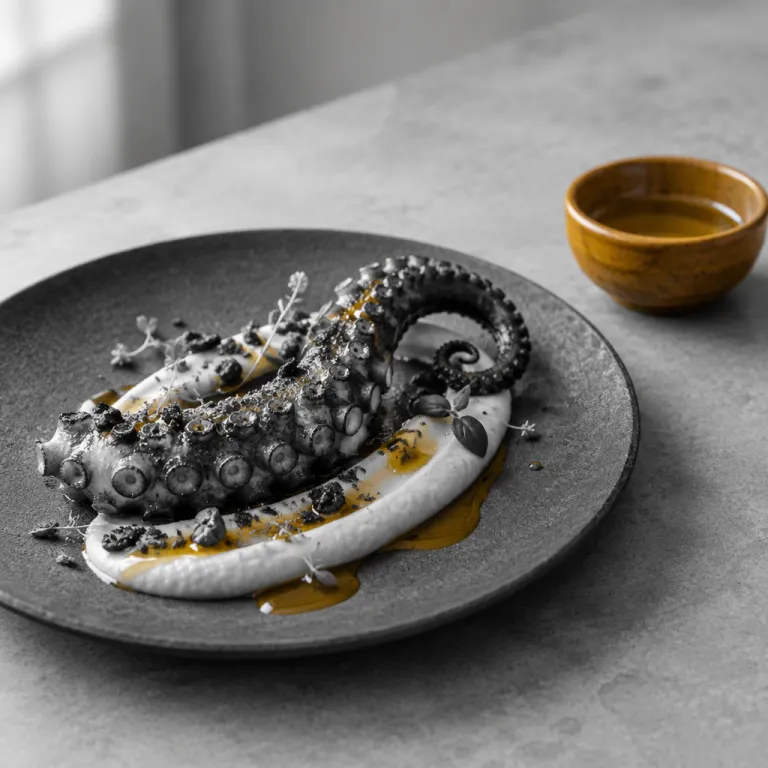
Greek islands restaurants dining as the new reason to choose your island
On the Greek islands, restaurants and dining now shape entire itineraries. For many couples, the choice of island and hotel follows the promise of exceptional Greek cuisine rather than the other way around. When you plan a stay in Greece, you will find that the most memorable meals often sit quietly in small harbours, not on the main squares.
Luxury travelers now treat Greek island dining as a core part of the stay, not a pleasant extra. The best hotels curate food-focused experiences that move beyond a single restaurant and into vineyards, fishing boats and village courtyards under the Aegean Sea sky. This shift means that choosing a property on a specific island is also choosing a style of food, a rhythm of meals and a particular relationship with local ingredients.
On Mykonos, Greek and international restaurants sit side by side, yet the most rewarding tables still lean into traditional recipes. A refined hotel on this island might pair a private sunset cruise with a dockside taverna where the chef grills fish landed minutes earlier. One couple recalled the “salt still on the skin of the sea bream and the smell of thyme from the hills behind the harbour.” When you are planning trip details, look for properties that speak about cuisine with the same care they give to suites and pools, mentioning tasting menus, local wine pairings or chef’s table experiences.
From Crete to Sifnos and Corfu: islands with distinctive local cuisine
Crete is the island where Greek cuisine stretches from mountain greens to deep fish stews. Here, Greek island restaurants often begin with olive oil so fragrant it feels like a course in itself. Many of the most respected restaurants on Crete work directly with shepherds and fishermen, turning local ingredients into quietly sophisticated plates; venues such as Peskesi in Heraklion or Thalassino Ageri in Chania are frequently cited by food writers for their farm-to-table approach and focus on Cretan products.
On Sifnos, the gastronomy project is rooted in clay pot island food and slow cooked chickpeas. Couples staying in refined guesthouses above the Aegean Sea can walk down to a beach restaurant where tomato sauce simmers overnight and cheese from nearby farms anchors a simple Greek salad. At traditional spots like To Tsikali in Vathi or Manolis in Apollonia, you will find that popular Greek dishes taste different when the olives and herbs come from terraces you can see from your table.
Corfu offers another face of Greece, with Venetian echoes in every sauce and every glass of wine. Here, restaurants Greek in spirit might serve sofrito beside grilled fish, while luxury hotels arrange tastings that compare local olive oil with bottles from Crete and the Peloponnese. When you are visiting island destinations like Corfu, choose hotels that highlight food tours and village lunches, not only spa menus, and notice whether they mention classic Corfiot dishes such as pastitsada or bourdeto.
Dock and dine culture: when the boat is your reservation
Across the Greek islands, restaurants and dining have embraced a dock and dine culture that suits couples arriving by yacht or hotel launch. Greece has been recognised by travel media as a leading destination for sea based culinary experiences, and some of the best restaurants now sit directly on small piers. In these places, you will find that the sound of mooring ropes replaces background music.
On smaller islands near Athens and in the wider Aegean Sea, a restaurant may not even open its terrace until the first fishing boat appears. The fisherman's wife sets the table when she sees the boat, and the chef, often her son, decides the menu based on the morning catch of fish and squid. This is Greek island dining at its purest, where fresh ingredients are not a slogan but a timetable and the blackboard menu changes as quickly as the weather.
Hydra, Paxos and Symi have become reference points for this style of island food, with tavernas Greek in character yet polished enough for discerning travelers. A luxury hotel might arrange a late afternoon transfer by boat, timing your arrival for the first pour of local wine and the sizzling of saganaki in a lemon rich sauce. When planning trip logistics, ask your hotel concierge which harbour restaurants they trust, whether a private mooring can be reserved and if there is a preferred time to arrive for sunset.
How luxury hotels curate Greek cuisine beyond the main restaurant
The most interesting Greek islands restaurants and dining experiences now happen just beyond the hotel terrace. Leading properties in Mykonos, Crete and other parts of Greece are building culinary programs that treat the entire island as a kitchen. Instead of relying only on one in house restaurant, they collaborate with village tavernas, vineyards and fishing crews, often publishing seasonal calendars of food events for guests.
On Santorini and Paros, groups such as Andronis Restaurants operate multiple venues that range from cliffside fine dining to relaxed wine bars. A couple might start with a tasting of local ingredients, then move to a partner restaurant where an executive chef reworks traditional recipes with global technique. This approach turns a stay into a rolling gastronomy project, with each meal revealing another layer of island food culture and giving you a sense of how recipes evolve from village to village.
Some hotels now host guest chefs from Athens Greece and beyond, echoing events like the Greek Chefs Abroad festivals held by leading hospitality groups. Menus might feature tomato sauce made from Cycladic tomatoes, grilled fish brushed with olive oil from Crete and cheese sourced from Naxos or Tinos. When you compare properties on a guide best style website, look for mentions of farm visits, cooking classes and curated dinners rather than only generic references to restaurants, and note any awards or press mentions that signal serious culinary ambition.
Vineyards, farm tables and global echoes of Greek island food
Vineyard restaurants have become a quiet highlight of Greek island dining, especially on volcanic islands. On Santorini, couples can sit between vines and taste wine paired with plates built around local ingredients like capers, fava and grilled fish. Similar scenes now unfold on Paros and Tinos, where farm to table dinners turn simple island food into something quietly luxurious, often served at long communal tables under strings of lights.
Beyond Greece itself, the influence of restaurants Greek in spirit can be felt in cities such as Chicago and London. Places like Greek Islands Restaurant in Chicago's Greektown and Myrtos by Asimakis in London translate the flavours of a Greek island into urban settings while keeping a focus on fresh ingredients and traditional techniques. These venues show how popular Greek dishes travel, yet many travelers still find that the best restaurants remain those where you can see the Aegean Sea from your table.
Back in Athens, a night in Athens Greece before or after the islands offers a useful contrast. Here you will find everything from a simple Greek salad in a neighbourhood restaurant to elaborate tasting menus that treat olive oil and cheese as centrepiece ingredients. For couples planning trip routes that include both city and islands, a resource such as the refined Cerigo and Kythira travel guide on stay in Greek islands can help align hotel choices with the kind of cuisine you value most.
Practical guidance for booking hotels around Greek islands dining
When you choose a hotel, read the dining section with the same care you give to room categories. Look for mentions of partnerships with local restaurants, named executive chefs and references to specific island food traditions. A property that speaks about olive groves, fish markets and village bakers usually takes cuisine seriously.
Ask direct questions before booking, especially if Greek island restaurants and dining are central to your trip. Does the hotel organise reservations at the best restaurants nearby, and can they secure a table at small harbour spots where you will find mostly local guests? Clarify whether menus change with the seasons and whether local ingredients such as olive oil, cheese and wine are sourced from the same island.
Finally, remember that the most rewarding meals often require a little effort. You might take a late boat from Athens to reach a remote Greek island where a single restaurant serves unforgettable tomato sauce over handmade pasta, perhaps under a name like Pomo Oro or something equally evocative. As one trusted set of recommendations notes, "Saganaki, moussaka, grilled octopus, and baklava." remain essential tastes, but on the islands, it is the setting and the people behind the stove that turn popular Greek dishes into lasting memories.
FAQ about Greek islands restaurants and dining
What are some must try dishes at Greek island restaurants ?
On most islands in Greece, you will find menus built around grilled fish, slow cooked lamb, saganaki and moussaka. A classic Greek salad with local cheese and generous olive oil is essential, especially when paired with chilled white wine. Leave room for baklava or a simple dessert of fruit drizzled with honey from the same island.
Do I need reservations for popular Greek island restaurants ?
Reservations are strongly recommended for the best restaurants, especially during summer and on islands like Mykonos or Santorini. Many small tavernas with a traditional Greek character have limited tables and prioritise guests who book through their hotel concierge. For dock and dine spots, ask whether your boat arrival time can double as your reservation.
How do luxury hotels support local ingredients and producers ?
Leading properties across the Greek islands often work directly with farmers, cheesemakers and fishermen. They design menus that highlight local ingredients such as olive oil from Crete, cheese from Naxos and seasonal vegetables from nearby fields. Some hotels also organise visits to vineyards and farms so guests can see how their food is grown and produced.
Are dietary restrictions accommodated in Greek island dining ?
Many Greek islands restaurants and dining venues now offer vegetarian, pescatarian and gluten free options. The natural focus on vegetables, legumes and fish in Greek cuisine makes adaptation relatively straightforward. Inform your hotel and preferred restaurant in advance so the kitchen can plan dishes that respect both tradition and your needs.
How can I align my hotel choice with my dining priorities ?
Start by deciding whether you prefer fine dining, traditional tavernas or a mix of both. Then look for hotels that mention an executive chef, partnerships with nearby restaurants and experiences such as cooking classes or vineyard dinners. When planning trip details, ask each property for a short guide best describing their favourite local restaurants and why they recommend them.