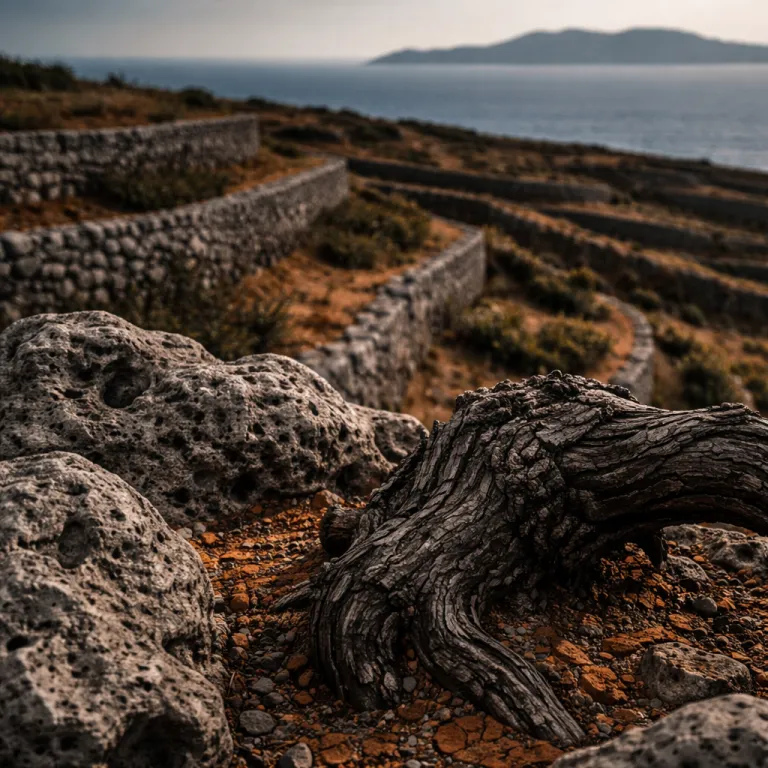
Aegean terroirs in three acts: Santorini, Crete and Paros
This curated Greek islands wine tasting route links three islands where vineyards and sea shape every evening. Across each island in Greece, volcanic ash, mountain slopes and maritime breezes create wine regions with strikingly different personalities for wine lovers. You taste not only Greek wines but also the salt, light and history that define these vineyards.
Santorini is the natural starting point, a caldera island where Assyrtiko grapes cling to black volcanic soils and produce some of the most precise dry white wine in Europe. Here, Santorini wineries train each grape variety into low basket shapes (kouloura), protecting the grapes from fierce winds while concentrating flavour and acidity in every grape. The result is Santorini wine that feels architectural on the palate, with PDO Santorini labels from estates such as Santo Wines, Gaia and Domaine Sigalas offering structured, dry whites that pair beautifully with the island’s seafood restaurants.
From Santorini, your Greek islands wine tasting route continues south to Crete, where vineyards climb from coastal plains to mountain terraces. Crete’s wine production now highlights local grape varieties such as Vidiano and Liatiko, and these grapes thrive in higher altitude vineyards that give freshness to both white and red wines. The contrast between the dry white Assyrtiko of Santorini and the layered Cretan wines from producers like Lyrarakis or Douloufakis shows how regions in Greece can share a Mediterranean climate yet express completely different wine styles.
Paros completes this three island tour, bringing a softer maritime influence and a slower rhythm that suits unhurried wine tasting. On Paros, wineries often sit a short drive from the port, with small vineyards planted close to the sea and cooled by the meltemi winds. Here, tasting wines made from Monemvasia and Mandilaria grape varieties at estates such as Moraitis Winery offers a gentle counterpoint to the intensity of wines from Santorini and Crete, and it rounds out a wine tour that feels both coherent and varied.
Santorini: volcanic Assyrtiko and caldera‑view hotels
On Santorini, every serious Greek wine itinerary revolves around Assyrtiko and the dramatic caldera views that frame your glass. The best Santorini wineries balance polished tasting rooms with access to working vineyards, so you can walk between vines before tasting wines in a shaded courtyard. For couples, choosing a hotel that understands Greek wines is as important as choosing the right caldera view.
Many luxury properties now curate focused wine tasting experiences that highlight PDO Santorini labels alongside lesser known grape varieties from other regions in Greece. A sommelier might pour three different dry white Assyrtiko wines from separate vineyards, explaining how altitude and exposure change the structure of each white wine. Typical tasting flights at estates such as Santo Wines or Venetsanos Winery might include four to six wines and cost around €15–€30 per person, with the option to add small plates; these ranges align with recent price lists published by the wineries themselves. This is where the concept of wine folly becomes useful in practice, as you move from theory about grape variety to the sensory reality of tasting wines in the place they are grown.
For romantic stays, look for a hotel with a terrace restaurant that offers a serious Greek wine list rather than defaulting to international labels. Some properties arrange private wine tours that combine visits to historic wineries with sunset tastings overlooking the caldera, ideal for couples planning tailor made luxury Greece island holiday packages. One Santorini winemaker likes to tell guests, “We don’t just pour Assyrtiko; we pour the wind and the stone,” a reminder that every glass reflects the island’s stark landscape. When a sommelier suggests pairing a particularly mineral Santorini wine with grilled octopus or a simple plate of tomatoes and capers, you feel how deeply wine and local produce are intertwined on this island.
Logistics matter on Santorini, especially in high season when wine tours and restaurants book out quickly. Always reserve winery visits and any guided wine tour in advance, and confirm whether tastings include vineyard walks or only seated flights of wines. Many estates schedule visits in set time slots of 60–90 minutes, so punctuality helps. As one local guide likes to remind guests, “Which Greek island is best for wine tasting? Santorini is renowned for its Assyrtiko wines,” a view echoed by recent overviews from the National Interprofessional Organization of Vine and Wine of Greece.
Crete: mountain vineyards, gastronomic hotels and serious cellars
Crete brings a different energy to your Greek islands wine tasting route, with a larger landmass, higher mountains and a deep agricultural tradition. Here, vineyards stretch from low coastal plains to cooler upland sites, and this range allows wine production of both structured reds and aromatic whites. For wine lovers, the key is to base yourself in a hotel that treats its cellar as seriously as its infinity pool.
Many of the most interesting Cretan wineries sit within an hour’s drive of Heraklion and Chania, making them easy to integrate into a relaxed wine tour. Estate visits often include walks through vineyards where you can see Vidiano, Liatiko and other grape varieties growing alongside olive groves and citrus trees, a reminder that regions in Greece rarely separate wine from wider agriculture. Tasting wines here often means sitting under a pergola with plates of local cheeses, olives and small seasonal dishes that show how naturally Greek wines fit into everyday Cretan life.
On the hospitality side, Crete excels at pairing gastronomic restaurants with thoughtful wine bars inside luxury resorts. When researching elegant honeymoon suites in Crete, consider properties that highlight local grape varieties on their lists and offer curated wine tasting flights before dinner, as outlined in this guide to choosing the perfect honeymoon suite in Crete. A sommelier who can explain the difference between a dry white Vidiano from the mountains and a richer white wine blend from lower vineyards will elevate every meal.
Crete also rewards slower travel, so plan at least three nights if you want to combine wine tours with beach time and village walks. Self drive itineraries work well on this island, allowing you to visit both established wineries and small family estates that rarely appear in mainstream guides to wine regions. Many tasting rooms near Heraklion or Chania charge from about €10–€20 for a basic flight, often redeemable against bottle purchases, according to recent visitor reports and winery booking pages. When you return to your hotel after a day among grapes and vineyards, a final glass of Greek wine on the terrace feels like a natural extension of the landscape you have just explored.
Paros and quieter islands: maritime wines and intimate stays
Paros offers a gentler chapter in your Greek islands wine tasting route, especially appealing to couples who prefer understated luxury. The island’s vineyards sit close to the sea, where constant breezes help keep grapes healthy and contribute to the freshness of both white and red wines. This maritime influence gives tasting wines on Paros a different profile from the more volcanic Santorini wine or the structured Cretan reds.
Several wineries on Paros operate at a relatively small scale, focusing on careful wine production from local grape varieties such as Monemvasia and Mandilaria. Visits often feel personal, with owners or winemakers pouring Greek wines themselves and explaining how their vineyards differ from those on other islands in Greece. One producer near Naoussa likes to pour two vintages side by side and say, “Here you can taste the difference between a calm summer and a windy one,” pointing to how the meltemi shapes each harvest. For wine lovers used to larger estates, these intimate tastings can be a highlight of the entire wine tour, especially when paired with simple plates of local cheese and tomatoes at a nearby restaurant.
Accommodation on Paros tends toward low rise hotels with relaxed service, many of which now feature compact but thoughtful wine lists. Look for a hotel where the bar team can guide you through a short flight of Greek wine by the glass, perhaps comparing a dry white from Paros with a more mineral Assyrtiko from Santorini. Some properties also collaborate with local wineries to host occasional wine tasting evenings, which can be a refined alternative to busier island nightlife.
For travelers planning broader luxury hotel packages for an elegant Aegean escape, Paros works well as a final stop after the intensity of Santorini and the scale of Crete, as highlighted in our overview of Greek islands luxury hotel packages. The island’s compact size keeps transfer times short, with most wineries located within 10–25 minutes’ drive of Naoussa or Parikia, leaving more hours for slow lunches, unhurried walks through vineyards and sunset glasses of white wine at a harbour side wine bar. By the time you leave, the combination of gentle wines, small wineries and quietly confident hotels tends to linger in the memory.
How hotels curate wine experiences across the islands
Across these islands in Greece, the most interesting luxury hotels now act as informal gateways to local wine regions. Rather than relying on imported labels, many properties curate lists that foreground Greek wines, often grouping bottles by grape variety or island to help guests navigate. This shift means that your choice of hotel can shape your entire Greek islands wine tasting route as much as your choice of ferry.
On Santorini, top tier hotels often employ sommeliers who know every major PDO Santorini producer and several smaller Santorini wineries by name. They design wine tasting flights that move from linear, dry white Assyrtiko to more textural white wine blends, sometimes finishing with a sweet Vinsanto that shows another side of Santorini wine. In Crete and Paros, hotel teams may collaborate with nearby wineries to offer private wine tours, arranging transport, reservations and even vineyard picnics so that couples can focus on tasting wines rather than logistics.
For romantic travelers, in room experiences can be as memorable as formal wine tours. Some hotels offer chilled Greek wine on arrival, often a crisp white from local vineyards, alongside small plates of olives and cheese that echo the flavours you will meet in restaurants later. Others maintain compact wine bars where staff can talk you through different grape varieties and regions in Greece, turning a simple pre dinner drink into an informal lesson in Greek wines.
When evaluating properties on a booking platform, read beyond the spa and pool descriptions to see how seriously each hotel treats its cellar. A concise but thoughtful list of Greek wines, clear references to local wineries and the option to arrange a guided wine tour all signal a property that understands wine lovers. Over several nights, these details can transform your stay from a standard beach holiday into a coherent, island by island exploration of Greek wine culture.
Planning your Greek islands wine tasting route and island‑hopping logistics
Designing a smooth Greek islands wine tasting route means balancing ferry schedules, hotel stays and winery appointments with enough empty space for spontaneous glasses of wine. Start by choosing your three core islands in Greece, then map ferry connections and flight options so that travel days remain short and civilised. Once dates are fixed, contact wineries and hotels to secure tasting slots and restaurant reservations, especially on Santorini where demand is highest.
Most travelers link Santorini and Crete by ferry, then add Paros or another smaller island either at the beginning or end of the tour. Fast ferries between Santorini and Heraklion typically take around two hours in summer, while Santorini–Paros routes often range from about three to five hours depending on stops, according to current timetables from major Aegean ferry operators. Methods range from fully guided wine tours with local experts to self drive itineraries where you use maps and digital tools to navigate between vineyards and wine bars, depending on your comfort level. Whatever your style, remember the local advice that “Are Greek island wineries open year-round? Many operate seasonally; check ahead.”
From a timing perspective, plan at least one full day on each island for winery visits, plus extra nights for beach time and unhurried dinners. A typical pattern might involve a morning vineyard tour, a relaxed lunch at a seaside restaurant with a bottle of dry white Greek wine, then a late afternoon rest at your hotel before an evening tasting wines by the glass. For example, one sample day on Santorini could run from a 10:00 vineyard walk and tasting, a 13:30 seafood lunch in a caldera village, a 17:00 second winery visit and a 20:30 dinner with a curated Assyrtiko flight. If you prefer tailor made itineraries that integrate ferries, transfers and hotel choices, consider working with specialists in tailor made luxury Greece island holiday packages who understand both hospitality and wine regions.
Finally, approach the route with curiosity rather than checklist urgency. Greek wine production may represent a modest share of global volumes, yet the diversity of grape varieties, vineyards and wineries across regions in Greece rewards slow, attentive tasting. As one tourism official notes, “Do I need reservations for tastings? Yes, booking in advance is recommended,” advice that aligns with recent guidance from regional wine boards and local tourism offices.
FAQ
Which Greek island works best as a base for wine lovers ?
Santorini remains the strongest single base for wine lovers because its Assyrtiko vineyards, dense concentration of wineries and refined hotels sit within short driving distances of each other. The island offers structured wine tours, serious wine bars and restaurants that understand how to pair Santorini wine with local seafood. Many travelers then add Crete or Paros as extensions to broaden their experience of Greek wines.
How many days should I plan for a three island wine tour ?
For a relaxed Greek islands wine tasting route that includes Santorini, Crete and Paros, plan at least seven to nine nights. This allows one full winery day on each island, plus extra time for beaches, village walks and hotel based wine tasting. Shorter trips are possible, but they often feel rushed and leave little space for spontaneous glasses of wine.
Do I need a car to visit wineries on the Greek islands ?
A car offers flexibility, especially on larger islands such as Crete where vineyards can sit many kilometres inland. On Santorini and Paros, taxis and organised wine tours can cover most key wineries if you prefer not to drive. Many luxury hotels can arrange private transfers for wine tasting days so that you can enjoy wines safely.
Are winery visits suitable for guests new to Greek wines ?
Yes, most wineries on these islands in Greece welcome beginners and tailor tastings to different knowledge levels. Hosts usually explain grape varieties, vineyard practices and basic tasting techniques in clear, accessible language. Starting with a simple flight of dry white and light red wines is often enough to build confidence.
Can I visit wineries outside the main summer season ?
Some wineries operate year round, while others reduce hours or close outside the main tourist months. Always check opening times directly and reserve tastings in advance, especially if you travel in spring or late autumn. Hotels with strong local connections can often confirm which wineries are open and arrange appointments on your behalf.