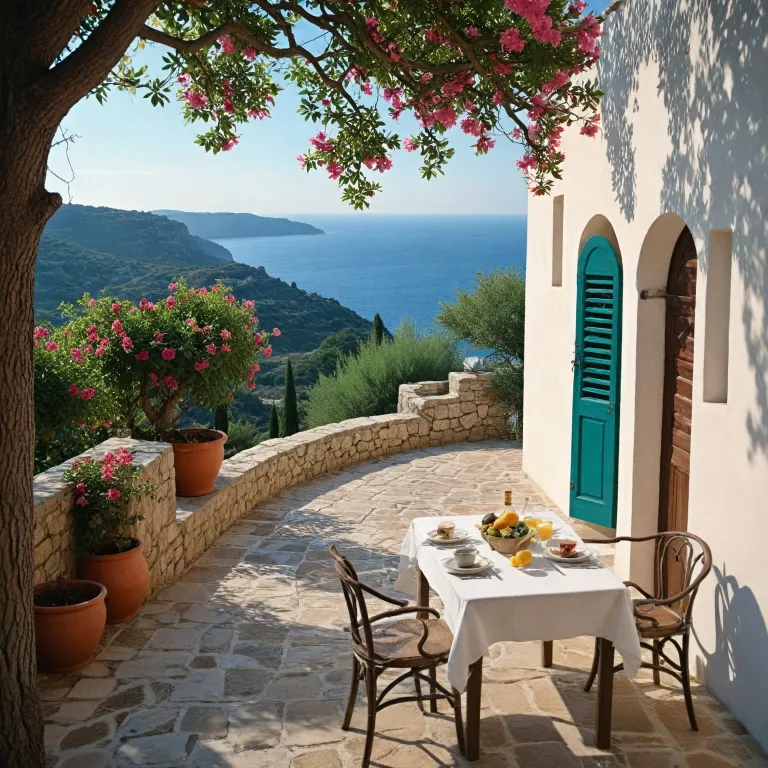
Why cerigo Kythira captivates luxury travellers in Greece
The island of Kythira, historically known as Cerigo, sits where the Ionian and Aegean islands almost meet. This crossroads position between the Ionian islands and the wider Aegean sea shaped a layered history under Byzantine, Venetian, and later Greek influence. Today, cerigo kythira attracts travellers seeking quiet elegance rather than crowded resort coasts.
In Greek tradition, this island is linked to the goddess love Aphrodite, which adds a poetic note to any stay. The Association of Tourist Accommodation of Kythira Island notes that visitors often ask first about beaches, then about traditional villages, and finally about local products such as thyme honey. For luxury and premium hotel guests, this blend of mythology, nature, and gastronomy creates a compelling travel guide narrative.
The main town, often called Chora or town cerigo, crowns a hill above the south coast with a sweeping view of the sea. Under Venetian rule the town expanded around a castle that still dominates the skyline and frames sunsets over the harbour of Kapsali. From here, guests can easily reach the port of Diakofti, the main port diakofti ferry link to mainland Greece and Crete.
For travellers comparing Greek islands, cerigo stands apart from larger Ionian islands like Corfu or Zakynthos. The island area of roughly 280 km² allows space for secluded coves, byzantine churches, and low key villages without losing a sense of intimacy. This scale suits premium properties that value privacy, curated service, and a strong connection to local culture.
Reading the island’s venetian past through architecture and landscape
Understanding cerigo kythira as a luxury destination starts with its layered history venice left behind. During centuries of venetian rule, the island venetians fortified ridges, organised the main town, and shaped trade through the port and harbour network. Remnants of coats arms, lions walls, and winged lions still appear on gateways and ruined bastions around the lower town.
In the fortified settlement of Kato Hora, sometimes written as kato hora or hora lower, travellers walk narrow lanes between stone houses and small byzantine churches. Many churches preserve frescoes that echo the refined taste of patrons who traded with Venice and other ionian ports. For guests staying in premium hotels, curated excursions with licensed guides can turn these ruins into a vivid open air museum.
Art lovers often connect cerigo with the painter antoine watteau, who referenced the island in works inspired by the goddess love and pastoral romance. While the real kythira island is more rugged than his dreamlike scenes, the south coast cliffs and hidden coves still feel theatrical at sunset. A private transfer from town cerigo to a quiet viewpoint allows guests to enjoy this atmosphere with minimal crowds.
Many luxury travellers appreciate how the island’s venetian and byzantine layers coexist with contemporary Greek life. In the main town, restored mansions sit beside everyday local shops where residents buy thyme honey, wine, and seasonal produce. This coexistence helps premium properties design experiences that feel authentic rather than staged, from wine tastings to walks along the coast near small fishing harbours.
Choosing the right area of cerigo Kythira for a premium stay
Selecting the right area on cerigo kythira is crucial for a refined hotel experience. The main town on the south side offers proximity to the venetian castle, museums, and evening strolls through narrow streets with a view towards the sea. Guests who value culture, dining, and easy access to byzantine churches often prefer this town based setting.
Along the south coast, Kapsali and nearby coves provide a more resort like feel while remaining distinctly Greek and low rise. Here, hotels can offer direct sea views, quick access to swimming, and short drives to the hora lower district and kato hora ruins. The harbour area also suits travellers who enjoy watching fishing boats and small yachts arrive from other ionian islands.
On the east side, the port diakofti area appeals to guests who prioritise convenience and calm. The long sandy beach, shallow sea, and clear view towards the ionian make it ideal for families or couples seeking relaxed days. From this port, ferries connect to mainland Greece, so transfers between ship and hotel remain efficient even during peak islands travel.
Inland villages offer another dimension for premium stays focused on nature and local life. Properties here can curate walks through thyme scented hills, visits to producers of thyme honey, and tastings of local wine and olive oil. When combined with chauffeured access to the coast and town cerigo, this inland base suits travellers who want both privacy and cultural immersion.
Design, service, and sense of place in luxury hotels on Kythira
For a hotel on cerigo kythira to feel truly premium, design must echo the island’s character. Many successful properties use stone, limewash, and soft colours that mirror the local town architecture and the muted tones of the coast. Large windows or terraces that frame a view of the sea, harbour, or hills help guests feel anchored in this specific Greek landscape.
Service on kythira island tends to be personal, reflecting the small population and strong local ties. Luxury hotels often work closely with the Association of Tourist Accommodation of Kythira Island to maintain standards while preserving individual character. Staff who can explain venetian rule, point out lions walls or winged lions on a walk, and recommend a family run taverna add depth to each stay.
A strong sense of place also comes from integrating local products and traditions into the guest experience. Breakfasts that highlight thyme honey, local cheeses, and seasonal fruit connect visitors to the island’s agricultural rhythms. Curated excursions to byzantine churches, the lower town of kato hora, or coastal chapels overlooking the ionian sea turn a simple holiday into a cultural journey.
For travellers comparing Greek and aegean islands, cerigo offers a quieter, more introspective luxury. Instead of large scale resorts, guests find smaller properties where each room’s view and layout has been carefully considered. This approach suits visitors who value privacy, thoughtful design, and meaningful contact with the local community over spectacle.
Practical travel guide for premium bookings on cerigo Kythira
Planning a luxury stay on cerigo kythira begins with understanding access routes. Travellers can reach the island by air from Athens or by ferry to the port diakofti from Piraeus, Crete, or the Peloponnese coast. Once on kythira island, private transfers or rental cars are essential for moving between town, harbour, and more remote sea facing areas.
When choosing dates, many premium guests aim for late spring or early autumn. During these periods, the ionian and aegean sea temperatures remain pleasant, yet the islands feel calmer and more local. This timing also suits travellers interested in walking to byzantine churches, exploring kato hora, or visiting the lower town without intense heat.
For those comparing options across Greek islands, it can be helpful to consult a specialised travel guide or curated booking platform. One example is an elegant luxury accommodation resource for refined island escapes in Mykonos, which illustrates how detailed hotel descriptions and area insights support better decisions : elegant luxury accommodation deals in Mykonos for refined island escapes. Applying the same level of research to cerigo helps travellers match expectations with the island’s quieter, more contemplative character.
Guests should also consider how much time they will spend in each area of kythira. A balanced itinerary might include nights in the main town cerigo, a stay near the south coast, and a final night close to the port diakofti for easy departure. This approach allows travellers to experience the island’s venetian heritage, coastal relaxation, and practical harbour access within a single trip.
Immersive experiences that elevate luxury stays on cerigo Kythira
Beyond the hotel room, cerigo kythira offers immersive experiences that resonate with discerning travellers. A guided walk through the venetian castle above the town, with explanations of history venice and venetian rule, brings the island venetians legacy to life. From the ramparts, the view sweeps across the south coast, the harbour of Kapsali, and the open ionian sea.
Another highlight is exploring inland villages where thyme honey producers welcome visitors into small workshops. Here, guests learn how local flora, including thyme on rocky hillsides, shapes the flavour of this signature product. Tasting sessions paired with cheeses and wines from Greece turn a simple visit into a refined culinary experience.
Cultural excursions often include byzantine churches scattered across the island, some hidden in ravines or perched above the coast. Many of these chapels contain frescoes that echo the same spiritual and artistic currents that inspired antoine watteau and other European artists fascinated by the goddess love myth. For luxury travellers, private access and expert commentary transform these visits into intimate encounters with centuries of faith and art.
Evenings can be spent in the lower town of kato hora or the main town cerigo, where tavernas serve fresh fish and seasonal dishes. Watching the light fade over the ionian islands horizon while sipping local wine creates a quiet yet memorable finale to the day. These layered experiences, grounded in place and history, are what ultimately justify choosing cerigo over more crowded aegean islands.
Key figures and essential questions for planning your stay
The island of Kythira, also known as Cerigo, covers approximately 279.6 km², which allows for both secluded coasts and a compact, navigable road network. With a population of around 3 600 people, the island maintains a distinctly local character even during the height of the travel season. This scale supports a hospitality scene where premium hotels can offer personalised attention while remaining closely tied to community life.
Tourism and the development of local businesses form the backbone of the contemporary economy on cerigo kythira. Authorities and residents aim to balance increased visitor numbers with the preservation of byzantine churches, venetian heritage, and fragile coastal ecosystems. For travellers, this means that choosing accommodations and services committed to sustainability directly supports the long term health of the island.
What is Kythira known for ?
What is Kythira known for? Kythira is known as the birthplace of Aphrodite, for its beautiful beaches, and for its traditional villages that reflect both Greek and venetian influences. This reputation aligns naturally with luxury stays that emphasise romance, landscape, and cultural depth.
How to get to Kythira ?
How to get to Kythira? Travellers can arrive by ferry from Piraeus, Crete, or the Peloponnese, or by air from Athens, then continue by road to town cerigo, the south coast, or the port diakofti area. Planning transfers in advance with hotel assistance ensures a smooth start to any premium holiday.
What are the main attractions in Kythira ?
What are the main attractions in Kythira? Key highlights include the Venetian Castle above the main town, the ruins of Palaiochora, and the harbour village of Kapsali on the south coast. Combined with inland walks, coastal chapels, and tastings of thyme honey, these sites form the core of a refined cerigo kythira itinerary.