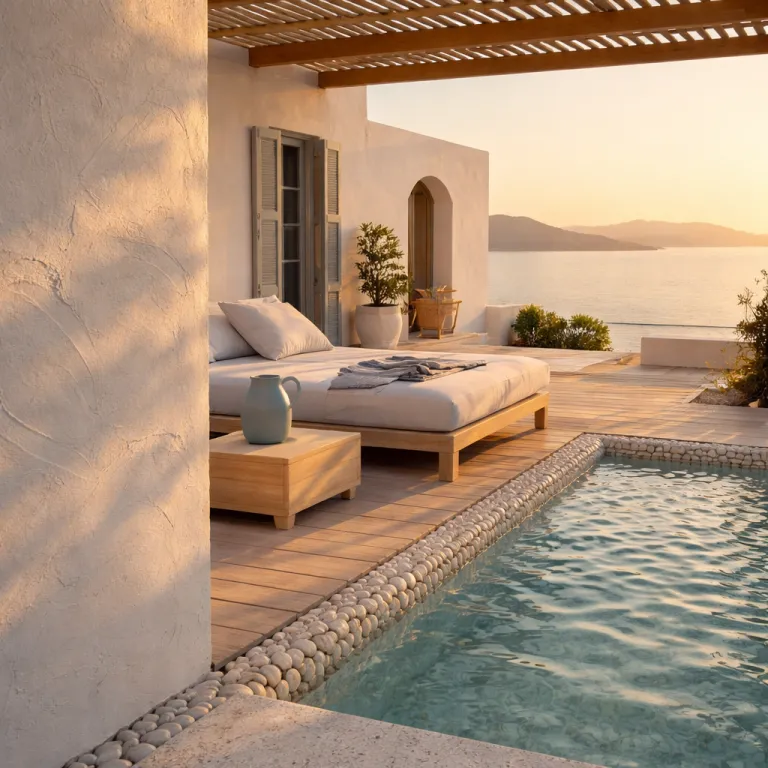
Why luxury hotels in the Greek islands risk looking the same
Luxury hotels in the Greek islands once felt fiercely individual. Today, as international brands roll out new properties across Greece, the risk is that the same spa, the same rooftop bar and the same all-day restaurant simply rotate around a different sea view. For travelers who choose a hotel for its sense of place, that sameness is the real threat, not the nightly rate.
The boom is undeniable across the archipelago, from Santorini to Mykonos and beyond. Industry analyses already frame the coming seasons as a milestone period for Greek hospitality, with Hilton, Radisson, Four Seasons and Accor all adding resorts in Greece and reshaping what counts as premium. The question for anyone planning a trip is whether these new high-end hotels in the Greek islands will deepen the experience of the Aegean or simply polish it.
On paper, the offers look irresistible, with long lists of amenities and glossy renders of infinity pools. Yet when every destination promises a similar design language, the same marble bathrooms and interchangeable wine lists, the emotional memory of each island blurs. You remember the sea views, perhaps, but not the specific Greek island that framed them.
Take Santorini and Mykonos, the twin engines of the Aegean tourism story. New openings promise ever more dramatic caldera views, ever larger suites and ever higher nightly rates, while older independent hotels in Greece quietly refine service and deepen their ties to local producers. As one Athens-based travel advisor recently put it in a trade interview, “Guests tell me they loved the pool and the photos, but they struggle to recall which island they were actually on.” The danger is that repeat visitors start to feel they are touring a global circuit of branded spaces, rather than moving between distinct Greek places.
Homogenization is not inevitable though, and some properties push hard in the opposite direction. Gundari, a luxury retreat on Folegandros scheduled to open with 25 suites and villas, anchors its design in the raw cliffs above the waters of the Aegean, with private pools that appear carved from the island itself. According to early architectural notes, the project leans on local stone, drought-resistant planting and low lighting to protect the night sky. That kind of restraint keeps the focus on the landscape, the constellations and the elemental sea view, not on a logo.
Elsewhere, heritage still speaks louder than branding, especially where history and architecture intersect. Poseidonion Grand Hotel on Spetses, opened in 1914 and restored in stages over the last two decades, offers a very different reading of luxury than a new glass cube in the Santorini–Mykonos orbit. Here, the views of the Aegean are framed by colonnades and pine trees, and the hotel features include slow breakfasts on the terrace rather than a rooftop nightclub.
When you look across the map of hotels Greek travelers now consider, a pattern emerges. Global brands tend to cluster on the most famous islands, while independent hotels in Greece hold the line on smaller destinations like Folegandros, Patmos or Syros. For guests, the choice is no longer simply between the best hotels and the rest, but between a standardized promise and a more idiosyncratic, sometimes less polished, but deeply Greek experience.
For a business-leisure traveler extending a work trip, that choice matters. After a week of meetings in Athens, the instinct may be to book a familiar flag on a headline island and let the loyalty points flow. Yet the most rewarding Greek islands for this audience often sit just beyond the spotlight, where the sea views are quieter, the local wine lists shorter and the sense of destination sharper.
Where the soul survives: independent Aegean stays worth your nights
Independent luxury hotels in the Greek islands are not an endangered species, but they are under pressure. As more hotels in Greece join global systems, the remaining family-owned or design-driven properties become the guardians of nuance. They are the places where you still feel the island first and the hotel second.
Consider Gundari again, perched above the Aegean Sea on Folegandros, which treats the landscape as its primary asset. Suites are oriented toward wide sea views rather than oversized televisions, and the architecture leans into raw stone and low-slung volumes that echo the island’s terraces. At night, the absence of urban glare turns the sky into another form of sea view, a dark Aegean scattered with stars.
On Mykonos, the Myconian Collection shows how a local group can scale without losing its Greek island identity. Across its properties, including the much-talked-about Deos, the design language riffs on Cycladic curves, hand-finished plaster and a palette that mirrors the waters of the Aegean. You still get the full list of amenities expected from upscale resorts in the Greek islands, but the atmosphere feels rooted in local rhythms rather than imported trends.
Santa Marina, a Luxury Collection Resort on Mykonos with its own sandy bay at Ornos, offers another template. Here the Aegean Sea is not just a backdrop for social media but a daily ritual, from early swims to late-afternoon wine on the deck as boats return to the bay. For guests who book a hotel to feel the sea as much as see it, that direct access matters more than another branded spa.
Move east to Rhodes and Grecotel Lux Me Dama Dama, an all-inclusive resort on the island’s northeastern coast, and you see a different balance between scale and locality. The resort offers a private stretch of sea, family-friendly pools and a long list of dining options, yet it still nods to Greek flavors and local produce. For many travelers comparing hotels Greece-wide, this hybrid model feels like a pragmatic middle ground between global sameness and pure individuality.
Heritage properties such as Poseidonion Grand Hotel on Spetses play a quieter but crucial role. Their sea views are framed by history, their corridors lined with stories of earlier generations who treated the Greek islands as a grand tour rather than a quick escape. A long-time concierge there once summed it up to a journalist: “People arrive for the view, but they return because they feel part of the island’s story.” When you sit on its terrace with a glass of Peloponnesian wine, watching the night boats slide across the bay, you feel connected to a longer narrative of travel in Greece.
For curated overviews of such character-rich addresses, specialist round-ups of top premium hotels for an unforgettable Aegean escape can help narrow the field. The most useful guides highlight places Greek travelers return to repeatedly, not just those with the newest design or the highest rates. Used alongside traditional travel resources, they form a more nuanced map of Greek destinations where luxury still feels personal.
When you plan a trip with this lens, the question shifts from which island is trending to which Greek island aligns with your own rhythm. Do you want caldera views and dramatic cliffs, or low-slung villages and quiet coves with gentle sea views on the Aegean side? Once you answer that, the right independent hotel often reveals itself.
Service under strain: can staffing keep up with the luxury boom ?
The most polished design in the Greek islands means little if service falters. Greece faces a well-documented shortage of hospitality workers: the Hellenic Chamber of Hotels has reported tens of thousands of unfilled tourism jobs for recent summer seasons, even as new luxury hotels open across multiple islands. That tension will define guest experience more than any new rooftop pool or caldera-views marketing line.
When a hotel in Greece doubles its key count without doubling its qualified team, something has to give. You might still enjoy the same sea view from your suite, but the response time for a simple request stretches, and the sense of effortless care erodes. For business-leisure travelers used to tight schedules, that gap between promise and delivery can turn a planned restorative night into a frustrating one.
Independent hotels in the Greek islands often respond by investing heavily in retention and training. Owners know their staff by name, understand local family dynamics and treat the team as part of the island’s social fabric. That intimacy translates into service where a waiter remembers your preferred Greek wine after a single dinner, or a receptionist quietly rearranges a tour so you can visit ancient ruins at a quieter hour.
Large branded hotels across Greece bring different strengths, such as structured training programs and clear career paths. Yet they also face higher operational costs and more complex regulations, as highlighted by analyses in Hotel Management Network and similar trade publications. In this environment, the temptation is to standardize service scripts across islands, which can flatten the local character that makes a Greek island stay memorable.
For guests, the smartest way to book is to read beyond the design language and amenity lists. Look for signs that a hotel engages with its local community, from partnerships with nearby vineyards to collaborations with guides who know the island’s lesser-known Greek places. A property that invests in its people and its place is more likely to deliver consistent service, even when the season peaks and every room is sold out for the night.
Offers can be a useful lens here, not just a way to save money. Packages that include curated experiences with local producers, private tours to ancient ruins or wellness rituals unique to the Aegean often signal a deeper commitment to the island. Collections of refined escapes by the sea tend to spotlight hotels where such thoughtful programming is part of the DNA.
Wellness is another area where service quality reveals itself quickly. Properties that offer advanced thalassotherapy, sound baths or island-specific spa rituals must maintain highly trained teams, not just beautiful treatment rooms. Recent guest reviews on major booking platforms often single out therapists by name, praising “knowledgeable staff who explained every step of the treatment” or “a yoga instructor who adapted the class to our jet lag,” small details that show staffing excellence still matches architectural ambition.
As you compare hotels Greek travelers rate highly, pay attention to recent feedback about service, not just sea views or pool design. A slightly older property with a stable team may deliver a more seamless stay than a brand-new opening still hiring mid-season. In the coming years, the true best hotels in the Greek islands will be those that solve the staffing puzzle without sacrificing authenticity.
How to choose character over clichés when you book your stay
Choosing between luxury hotels in the Greek islands now requires more discernment than scrolling through photos. The images will almost always show a perfect sea view, a sculpted pool and a glass of chilled wine catching the last light. The real differences hide in the details of service, locality and how each hotel frames its relationship with the island.
Start with geography rather than brand, and let the island lead the decision. Santorini and Mykonos remain powerful magnets, with dramatic views on the Aegean side and a full spectrum of hotels in Greece from discreet to high-octane. Yet travelers who look beyond these names often find a better match between their own pace and the island’s rhythm.
Think about how you want to spend each night, not just where you will sleep. If your ideal evening involves a quiet walk through a harbor town, a simple taverna meal and a glass of local wine under the stars, then a smaller Greek island with fewer cruise calls may suit you better. In that case, a characterful property on Folegandros, Spetses or another lesser-known destination can feel more luxurious than the flashiest hotel address on Mykonos.
When you read travel guides or a guide Greek travelers trust, look for how they describe the relationship between the hotel and its surroundings. Do they mention local producers, island-specific design details and staff who act as cultural interpreters, or do they focus solely on room size and amenity lists? A hotel that curates meaningful tours, from boat trips along the waters of the Aegean to walks through ancient ruins at dawn, usually understands its role as a gateway to place.
Pay attention to language around sea views and caldera views as well. Some hotels Greek marketers promote treat the view as a backdrop for generic luxury, while others integrate it into daily rituals, from sunrise yoga facing the Aegean Sea to late-afternoon tastings of Greek wine on a wind-sheltered terrace. The more specific the description of those moments, the more likely the experience will feel anchored in the island rather than in a global template.
Finally, be honest about your own priorities when you book. If you value predictability above all, a major brand on a headline island may suit you, especially for a short extension after meetings in Athens or Thessaloniki. If you crave a sense of place, then independent hotels across Greece that invest in local partnerships, nuanced design and long-term teams will reward the extra research.
Late spring to early autumn offers pleasant weather, which means a long window to experiment with different islands and styles of stay. Many luxury hotels in the Greek islands are family-friendly, and some provide all-inclusive options; check specific properties if that matters to your group. Used thoughtfully, this abundance of choice lets you build your own archipelago of favorites, returning to the hotels and islands that feel most like your version of Greece.
As you refine that personal map, remember that the most powerful luxury is often context. A modestly sized suite with honest sea views and a team that knows your name can outweigh a larger room with anonymous service and generic design. In the end, the Greek islands reward travelers who look past the surface and choose hotels that still carry the soul of their island.
Key figures shaping luxury stays in the Greek islands
- The Greek National Tourism Organisation and the Hellenic Chamber of Hotels report several hundred four- and five-star properties operating across the islands; within that pool, roughly 100–150 are positioned at the luxury end of the market, a concentration that gives travelers wide choice but also intensifies competition for qualified staff and distinct positioning.
- Travel industry benchmarking from regional hotel associations and STR-style performance data places the average nightly rate for upscale and luxury hotels in the Greek islands in the high hundreds of US dollars during peak season, often around the 450–550 USD range, a level that raises guest expectations for service, locality and design far beyond basic comfort.
- Analyses from Hotel Management Network and Greek trade press highlight how rising operational costs and regulatory complexity in Greece are squeezing hotel margins, pushing some owners toward global branding while others double down on independent, locally rooted models.
- Industry coverage from outlets such as Money Tourism describes the current period as a milestone for Greek hospitality, with major international groups including Hilton, Radisson, Four Seasons and Accor expanding in Greece and accelerating the shift toward branded luxury on key islands.