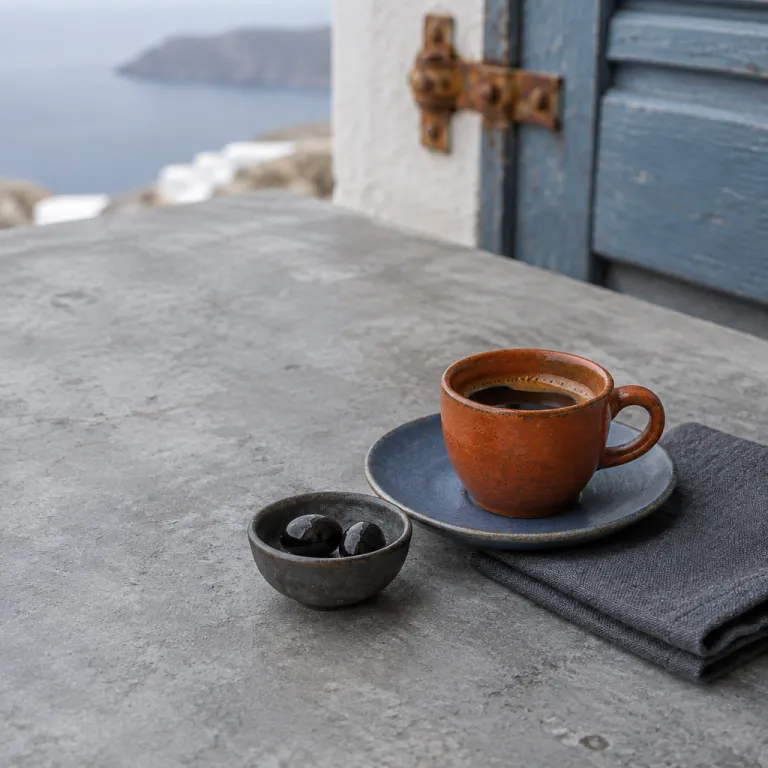
What “off the beaten path” really means for lesser known Greek islands now
On a quieter Greek island today, solitude is measured in ferry arrivals, not in marketing slogans. Some of the lesser known Greek islands that 2026 travelers are eyeing already feel the pressure of new arrivals, yet they still offer a very different island experience from the crowded hubs of Santorini and Mykonos. The trade off is clear and compelling for many guests who value natural beauty and authentic island life over convenience.
Across Greece there are around 200 inhabited islands, and only a fraction see the huge visitor numbers that concentrate on a few famous Greek islands. When you step away from the Mykonos–Santorini axis and look toward a small island in the Dodecanese or the quieter Cycladic islands, you enter a slower rhythm where the main town still closes for siesta and the port café knows every captain by name. This is where some of the best Greek stays for discerning travelers are now emerging, often with just a handful of suites and a front row seat to the Aegean Sea. On Tinos, that means Chora and the villages of Pyrgos and Volax rather than a single resort strip. The encyclopedic entry on Tinos is worth a look before you go.
Travelers comparing options for more undiscovered Greek islands in 2026 should understand that “quiet” does not mean empty, and “hidden” rarely means untouched. Astypalaia, for example, was highlighted by the Hellenic Statistical Authority as one of the faster growing destinations in the Aegean between 2018 and 2022, with overnight stays rising by more than 20% over that period, which shows how quickly a lesser known island can shift once a few design forward hotels and a new Instagram audience arrive. The window to enjoy these islands while they still feel genuinely Greek, with whitewashed houses, charming villages and traditional Greek cafés rather than global chains, is still open but narrowing.
Astypalaia, Syros and Tinos: where luxury follows Greek charm, not crowds
Astypalaia sits between the Cyclades and the Dodecanese, a butterfly shaped island whose main town climbs steeply above the port in a cascade of whitewashed houses. It is one of the most compelling emerging destinations travelers are considering, because it combines rich history, a Venetian castle and quiet beaches with a growing set of premium suites and villas. Here the best rooms tend to be carved into the hillside, with private plunge pools that frame the Aegean Sea and the island’s iconic windmills; a small cluster of suites above Pera Gialos, for instance, offers sunrise views straight over the harbor.
Syros, by contrast, is a fully lived in Greek island where island life is not a seasonal performance but a year round reality. The main town of Ermoupoli feels more like a small Italian port than a typical Cycladic island, with neoclassical mansions, marble squares and a working shipyard that reminds you this is the administrative capital of the Cyclades. For guests who want the best Greek balance of culture and comfort, Syros offers elegant townhouses turned into intimate hotels, easy access from Athens by ferry in about three to four hours and a network of small beaches tucked between headlands. Ermoupoli is where most of Syros’s rooms are, with Ano Syros above it for the quieter nights. Official guidance is published by Visit Greece, the national tourism organisation.
On Tinos, which many travelers now pair with Syros on an island hopping itinerary, the focus shifts to food, art and traditional Greek villages. Luxury here often means a restored stone house above a quiet beach, rather than a showpiece infinity pool aimed at the Santorini–Mykonos crowd. One owner of a small guesthouse in Pyrgos sums it up simply: “People come for the marble lanes and the bakery smells in the morning, not for a DJ by the pool.” If you want to understand how high end hospitality can still feel rooted in Greek charm rather than spectacle, compare these stays with more theatrical concepts described in guides to heritage focused stays in Santorini, such as the detailed analysis of harvest and heritage led properties in the caldera region available on stay in Greek islands.
Sikinos, Serifos and Amorgos: trading nightlife for silence and stars
For solo travelers planning journeys to lesser known Greek islands in 2026, the western Cyclades offer a different kind of luxury, defined by silence, space and the ability to walk home under a sky full of stars. Sikinos is a small island on the ferry line between Santorini and Ios, yet it feels worlds away from the Mykonos–Santorini party circuit. Accommodation here is simple but atmospheric, with a few carefully renovated houses in the main town and family run places near the island’s tiny port beach.
Serifos, another Cycladic island with a strong mining past, has become a favorite for Athenians who want the best Greek mix of wild beaches and low key style. The main town sits high above the harbor, a cluster of whitewashed houses and chapels that glow at sunset, while the coastline unravels into a series of stunning coves with just one taverna and a handful of loungers. Luxury hotels remain limited, but a new wave of design minded villas and suites is slowly reshaping the island experience without overwhelming its natural beauty; a couple of small properties near Livadi, for example, now offer private pools and chef prepared breakfasts.
Amorgos, long loved by hikers and divers, offers some of the most dramatic cliffs in Greece, with monasteries clinging to rock faces above the Aegean Sea. Here the best rooms are often in small, owner managed properties where the same family serves breakfast and later pours you a glass of local wine at the bar. If you want ideas that go beyond the usual beach checklist, look to curated guides on lesser known Greek island experiences that many hotel concierges still overlook, such as the in depth feature on under the radar activities published by stay in Greek islands.
Astypalaia, Leros and Karpathos: Dodecanese islands where the window is narrowing
Moving southeast, the Dodecanese chain holds several of the most interesting lesser known Greek islands that 2026 travelers are starting to book in greater numbers. Astypalaia has already seen a noticeable rise in arrivals, with new wellness retreats and eco conscious suites opening above its beaches, yet it still feels like a small island where children play in the main square and fishermen mend nets by the harbor. A detailed feature on Astypalaia’s quiet rise on stay in Greek islands underlines how quickly an island with rich history and strong Greek charm can shift once word spreads.
Leros offers a different island experience again, with a coastline of sheltered bays and a mix of Italian era architecture and traditional Greek houses. The main town areas around Agia Marina and Lakki host a handful of premium guesthouses, often in restored mansions that open directly onto the waterfront. For travelers who value natural beauty and calm over a long list of amenities, Leros can feel like the best Greek answer to the question of where to slow down without feeling isolated.
Farther south, Karpathos stretches between Rhodes and Crete, a long mountainous island with some of the most stunning beaches in Greece. Luxury here is still emerging, with a few high end resorts near the main beach areas and more characterful stays in mountain villages where island life follows old rhythms. As interest in eco tourism and adventure travel grows, Karpathos is likely to feature more prominently in island hopping plans, especially for guests who want to combine hiking, windsurfing and quiet evenings in charming villages.
How to plan a luxury stay on lesser known Greek islands without losing your sanity
Planning a premium trip across lesser known Greek islands in 2026 means accepting that logistics will shape your route as much as your wish list. Most of these Greek islands are reached primarily by ferry from Athens or from larger hubs such as Naxos, Santorini and Rhodes, so checking schedules early is essential if you want to link several islands in one island hopping loop. Travel experts consistently advise guests to “Check ferry schedules in advance.” and to “Book accommodations early.” because capacity on small island routes and in top suites is limited.
For a first journey, consider pairing Syros and Tinos for culture and food, or Sikinos and Folegandros for quiet beaches and cliffside villages, rather than trying to connect every Cycladic island in one trip. A simple seven day itinerary might start with two nights in Syros, followed by two nights on Tinos and three nights on Amorgos, using ferries that usually take between one and four hours depending on the route. Late spring to early autumn is widely regarded as the best time to visit these islands, with warm seas, long days and fewer crowds at each beach outside the absolute peak weeks.
Luxury on a lesser known Greek island often means space, silence and a sense of place rather than a long spa menu. When choosing where to stay, look for properties that reference the island’s rich history in their design, use local stone and respect the scale of the main town or village. Respecting local customs and traditions is part of the deal too, and it is one of the reasons these islands still feel like real communities rather than stage sets built only for Instagram moments.
FAQ
When is the best time to visit these lesser known Greek islands ?
The most comfortable period to visit is from late spring to early autumn, when the Aegean Sea is warm enough for long swims and the weather is settled. During this time ferries run more frequently between islands, with several daily departures on popular routes, which makes island hopping easier to plan. Outside these months, some hotels and restaurants close, and services on each small island can be limited.
Are these islands suitable for a first trip to Greece ?
They can be an excellent choice for a first Greek island experience if you are comfortable with slightly more complex logistics. Many travelers start in Athens, then take a ferry to a well connected hub such as Naxos or Santorini before continuing to a lesser known island. If you prefer very smooth connections and a wide choice of hotels, combining one quiet island with a night or two on a larger island works well.
How do I reach islands like Astypalaia, Leros or Karpathos ?
These islands are reached mainly by ferry from Piraeus near Athens or from larger Dodecanese islands such as Rhodes and Kos. Some, including Astypalaia and Karpathos, also have small airports with domestic flights several times a week in summer that can save time on longer routes. Because schedules change from season to season, using updated ferry timetables and booking early is essential.
Are the lesser known Greek islands suitable for families ?
Many of these islands are very family friendly, with calm beaches, relaxed tavernas and a strong sense of community. The main consideration is infrastructure, because medical facilities, childcare services and organized activities can be limited on a very small island. Families often choose islands like Syros, Naxos or Karpathos, which balance quieter beaches with more services.
What type of accommodation should I expect on these islands ?
Accommodation ranges from simple guesthouses to refined villas and small design led hotels, but the overall scale remains intimate. On some islands you will find only a few premium suites, while others now offer full service luxury properties with pools and fine dining. Booking early gives you the best choice, especially if you want specific views, direct beach access or easy walking distance to the main town.