Why crete food guide restaurants matter when you book a luxury stay
On Crete, choosing a hotel without checking the surrounding food is a missed opportunity. This island in Greece is widely recognised for its culinary heritage, and every serious crete food guide to restaurants should start from that fact because it shapes how you plan your travel and where you sleep. For premium families, the right hotel is the one that places you between a child friendly beach and a traditional Cretan taverna where the owner still presses his own olive oil.
The scale of food production on Crete is striking, with olive oil output among the highest in Greece according to national agricultural statistics from the Hellenic Ministry of Rural Development and Food, and that volume underpins both humble village restaurants and the most polished luxury resort restaurant. When you book a luxury hotel on the island, you are not just paying for a sea view; you are buying into a supply chain of local farmers, fishermen and artisan producers who keep Cretan cuisine rooted in place. Families who care about what their children eat should look for properties that name these partners on the menu, highlight fresh seasonal food rather than generic international buffets, and offer children’s portions of classic Cretan dishes instead of separate, ultra processed kids’ menus.
Across Crete, the best restaurants for travellers with children tend to sit just beyond the hotel gates, in small streets where a grandmother rolls kalitsounia and a teenager carries plates of lamb with wild greens. A smart crete food guide to restaurants will show you how to balance one night at a luxury hotel fine dining room with another at a simple restaurant in the old towns of Chania or Heraklion, so that you taste both polished and traditional Cretan cooking. Use curated travel guides rather than random lists, and you will find that the best restaurants for families are often those where the owner remembers your children’s favourite cheese or squeezes extra lemon juice over their grilled fish without being asked.
West Crete and chania: markets, venetian port tables and mountain lamb
West Crete is where many luxury travellers first understand how serious Cretan cuisine can be. In Chania Crete, the old covered market and the lanes around the Venetian harbour are the natural starting point for any crete food guide to restaurants that aims at both authenticity and comfort for families. Here you can move from a stall selling fresh graviera cheese and tomatoes to a restaurant in Chania that grills lamb over charcoal while children watch the flames.
In the wider Chania town area, To Stachi is a reference point for slow cooked Cretan food, and it shows how organic vegetables and local olive oil can anchor a menu that still feels indulgent. This small, family run restaurant near the old market typically opens for lunch and dinner most days, and the owners work closely with local farmers and artisan producers. Their plates of stuffed vegetables, stewed beans and traditional Cretan pies prove that Greek food for families does not need to be heavy to be satisfying. For a more seafront setting, restaurants in Chania along the Venetian port serve grilled fish, octopus and Greek salad, and the best restaurants here will happily adapt portions and spice levels for children without diluting the character of the cuisine.
Luxury hotels west of Chania often arrange excursions to mountain villages in Sfakia, where you can eat lamb with stamnagathi and taste truly traditional Cretan dishes in tiny restaurants Crete locals use every weekend. Pair such a lunch with a visit to Manousakis Winery in the hills near Vatolakkos, which usually welcomes visitors for daytime tastings by prior booking, and you have a day that combines wine tasting for adults with space for children to run between the vines. If you are planning a wider Aegean itinerary that links Crete with other islands, use a specialised wine route resource on Cretan and Cycladic vineyards such as the Aegean wine route guide on tasting your way from Santorini to Crete, and then choose hotels that understand how to integrate these excursions into a family friendly schedule.
Heraklion and central crete: urban plates, wine country and refined hotel dining
Heraklion is often treated as a transit point, yet any serious crete food guide to restaurants will tell you to stay at least one night. The city has an increasingly confident urban food scene where Cretan cuisine meets contemporary technique, and where a luxury hotel can be your base for both museum visits and ambitious dinners. For families, this means you can spend the morning at Knossos, the afternoon by a hotel pool and the evening at a restaurant that treats vegetables with the same respect as lamb.
Peskesi in central Heraklion is a benchmark restaurant for traditional Cretan recipes cooked with rare local ingredients, and it works well for multi generational groups because the menu ranges from slow braised lamb to delicate vegetarian plates. The kitchen uses wood fired ovens, clay pots and grills, and the emphasis on fresh herbs and olive oil keeps the food both rich and digestible for children. This well known spot in the city centre is usually open daily for lunch and dinner, and advance reservations are strongly recommended in peak season. When you read crete food guide restaurants reviews that mention Peskesi, pay attention to how they describe the balance between heritage dishes and lighter modern plates, because that balance is what you should seek across restaurants Crete wide.
Just south of Heraklion, the villages around Archanes form the heart of one of Greece’s most interesting wine regions, and several wineries welcome families with relaxed tastings and simple food. Staying in a luxury art hotel in the city allows adults to enjoy these excursions while children enjoy the hotel kids’ club or pool, and then everyone can reunite for a dinner of Greek food that might include dakos, Greek salad and grilled cheese. For travellers who like to structure their trips around chefs and kitchens, consult an insider guide to island kitchens that are rewriting taverna rules, then cross reference it with your hotel shortlist so that you can walk or take a short taxi to at least one standout restaurant.
Eastern crete: elounda, sitia and the meeting of luxury and fishing villages
Eastern Crete has a different rhythm, and any nuanced crete food guide to restaurants must treat it as its own chapter. Around Elounda and Agios Nikolaos, high end resorts line the coast, yet just a few kilometres away small fishing villages still send boats out at dawn. For premium families, the art lies in using the comfort of a luxury hotel while eating at both the in house restaurant and the small local places where the day’s catch is still negotiated on the quay.
Many of the best restaurants in this part of Crete Greece sit within hotels, especially near Minos Beach and other long established properties that have invested in serious kitchens. Here you might eat grilled fish with lemon juice and Cretan olive oil at lunch, then a more elaborate tasting menu that reinterprets traditional Cretan dishes at dinner. When you read about crete food guide restaurants in eastern Crete, look for mentions of specific producers and fishing families, because that level of detail signals a restaurant that is genuinely plugged into the local food network rather than just borrowing the language of terroir.
Further east towards Sitia, the landscape becomes wilder and the food even more tightly linked to the sea and to mountain herbs. Families staying in a luxury hotel near the coast can drive inland to villages where restaurants Crete locals favour serve lamb, wild greens and cheese pies, often cooked in wood fired ovens. This is also where you will find some of the island’s most characterful beach art installations and small galleries, and combining a swim, a visit to a coastal art space and a simple restaurant meal can be one of the most satisfying days of a Cretan holiday.
From markets to farm visits: how to eat like a local with children
A credible crete food guide to restaurants for families must go beyond listing places to eat. Markets, farm visits and cooking classes are where children understand that Greek food is not just something that appears on a plate in a hotel dining room. On Crete, these experiences are easy to weave into a luxury itinerary without sacrificing comfort or rest.
Start in the main towns, where weekly markets overflow with tomatoes, cucumbers, herbs and wheels of cheese, and where stallholders will often hand children a slice of melon or a taste of fresh olive oil. In Chania Crete, the central market and the streets around it are ideal for this kind of gentle immersion, and many restaurants in Chania source directly from these traders. A good crete food guide to restaurants will point you towards places where the chef shops in the market each morning, then writes a short menu around what looked best, which is exactly the kind of flexibility that keeps food seasonal and interesting.
Across the island, agritourism estates and small farms now welcome visitors for short tours and simple meals, and these can be a highlight for children who have only seen lamb or vegetables in supermarkets. Some properties offer hands on cooking classes where families prepare dakos, Greek salad or traditional Cretan pies, learning how lemon juice and herbs can transform basic ingredients. When you choose a luxury hotel, ask the concierge which local farms they work with and whether they can arrange a visit, because the best hotels in Crete Greece now see these experiences as part of their core service for premium families.
Choosing the right luxury hotel for serious food in crete
For travellers who care about eating well, a crete food guide to restaurants is only useful when it is paired with smart hotel choices. On this island, the line between restaurant and hotel is often blurred, because many of the best restaurants sit inside resorts while some of the most characterful places to eat are independent tavernas a short walk away. The key is to choose a luxury property that treats food as central to the experience rather than as an afterthought.
Look for hotels that highlight Cretan cuisine explicitly, mentioning traditional Cretan dishes, local olive oil and partnerships with nearby farms and fishermen. A serious property will be proud to tell you that it works with local farmers, fishermen and artisan producers, and that its chefs use wood fired ovens, clay pots and grills to respect the integrity of the ingredients. When you read crete food guide restaurants reviews, pay attention to whether guests mention specific dishes such as lamb with wild greens, dakos or Greek salad, because such details indicate that the food left a real impression.
Families planning a multi island trip across Greece can use a dedicated hotel guide to the Greek islands to align their accommodation with their culinary priorities, ensuring that each stop offers both a strong restaurant and easy access to local food culture. On Crete, that might mean a luxury art hotel near the Venetian port in Chania for a few nights, followed by a resort near Minos Beach where you can swim, enjoy beach art and eat grilled fish without leaving the property. Whatever you choose, remember that the best restaurants for your family will be those where the staff greet your children by name on the second night and where the flavours of Crete stay with you long after you have flown home.
Key figures on cretan cuisine and dining in crete
- Olive oil production on Crete is consistently high within Greece according to the Greek Ministry of Agriculture and related national statistics, which helps explain why Cretan cuisine uses olive oil as its primary cooking fat rather than butter.
- The Cretan Tourism Board and regional tourism authorities highlight a dense network of traditional tavernas across the island, giving travellers many local restaurants to explore beyond hotel dining rooms.
- Crete’s participation in European gastronomy initiatives, including programmes promoting regional products and sustainable farming, reflects a long term commitment to sustainable food practices, linking luxury tourism with support for local farmers and producers.
- Many leading restaurants in Heraklion, Chania and Rethymno report a growing demand for vegetarian and plant forward dishes, aligning with the traditional emphasis on vegetables, legumes and wild greens in Cretan cuisine.
FAQ: crete food guide restaurants for luxury travellers
What is dakos and where should I try it in Crete ?
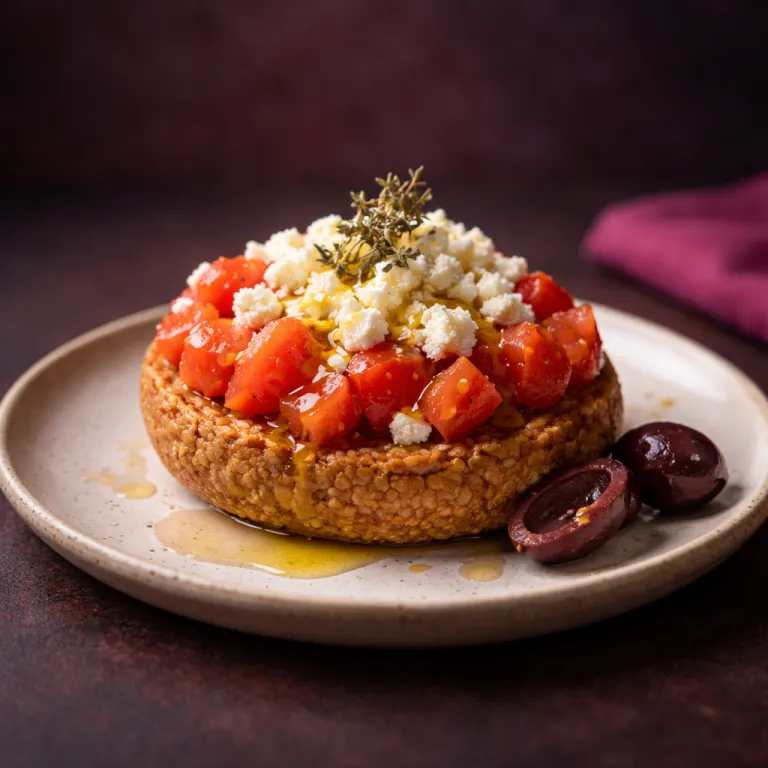
Dakos is a classic Cretan appetizer made with barley rusk topped with chopped tomatoes, local cheese and generous olive oil. You will find it in most traditional tavernas across Chania, Rethymno and Heraklion, and it is an easy, child friendly way to start a meal. Look for restaurants that toast the rusk lightly and use ripe tomatoes, because texture and freshness are what make dakos memorable.
Where can I try authentic cretan cuisine while staying in a luxury hotel ?
Authentic Cretan cuisine is widely available in traditional tavernas in Chania, Rethymno and Heraklion, many of which sit a short taxi ride from major luxury hotels. In Heraklion, Peskesi is a strong example of a restaurant that focuses on rare local ingredients while remaining accessible to families. In Chania, To Stachi offers organic, home style dishes that pair well with a stay in a high end property near the Venetian port.
Is cretan food suitable for vegetarians and children ?
Cretan food is very suitable for vegetarians because many dishes centre on vegetables, legumes and cheeses rather than meat. Plates such as stuffed vegetables, bean stews, wild greens and cheese pies appear on most menus, and they can be shared easily among family members. Children usually enjoy simple options like Greek salad, grilled cheese and fresh bread dipped in olive oil.
Should I reserve restaurants in crete in advance during peak season ?
During the busiest months, it is wise to reserve popular restaurants in Crete, especially in Chania, Rethymno and Heraklion. Waterfront tables around the Venetian port and high profile places such as Peskesi can fill up quickly in the evening. For family friendly tavernas in smaller villages, calling a few hours ahead is usually enough to secure a table.
What are the best ways to explore local food beyond hotel restaurants ?
To go beyond hotel restaurants, visit local markets, join a cooking class and plan at least one meal in a village taverna. Farm visits and winery tours, such as a trip to Manousakis Winery near Chania, add context to what you taste at the table. Combining these experiences with carefully chosen luxury hotels gives you both comfort and a genuine connection to Cretan food culture.