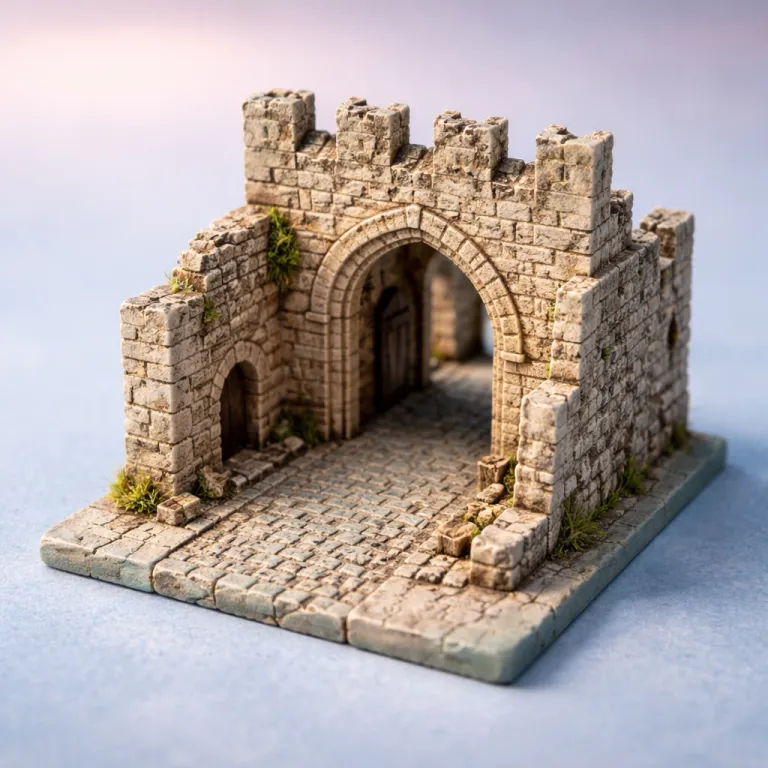
Why a rhodes island culture heritage visit belongs on every family itinerary
Rhodes is the rare Greek island where a family can move from an ancient acropolis to a medieval gate in a single morning. This makes a carefully planned cultural heritage trip on Rhodes one of the best ways to balance education, relaxation and understated luxury for parents and children. When you choose the right hotel on this island, history becomes as accessible as the nearest beach in Rhodes, Greece.
The island of Rhodes sits in the Dodecanese, close to Türkiye yet firmly part of Greece and its layered story. Here, a heritage-focused stay means walking through a town shaped by ancient Greek settlers, the Knights of St. John, the Ottoman Empire and modern Greek life, all still visible and well preserved. Families who usually focus on a single beach quickly realise that this Greek island offers a living museum wrapped in natural beauty and warm sea breezes.
For premium family travellers, the question is not whether to visit Rhodes but how to structure time so that children enjoy both the sea and the stories. A thoughtful itinerary weaves together Rhodes Town, Lindos and the quieter ruins of Kamiros, with a hotel base that makes each tour feel effortless. New luxury openings announced for 2026, including Amoh, a Luxury Collection Resort, and The Landmark with its private villas, are expected to broaden options for those who want cultural depth with polished service on island Rhodes.
Old Town Rhodes: living inside a UNESCO medieval stronghold
Rhodes Town is not a stage set; it is a fully inhabited medieval town where laundry hangs between Gothic arches and children cycle past Ottoman fountains. UNESCO has recognised this as a World Heritage Site since 1988 because the walls, gates and street grid are exceptionally well preserved, making any rhodes island culture heritage visit feel unusually immersive. When you stay near the old walls, you can slip into the town of Rhodes before the cruise tours arrive and watch the light change on stone that has seen every era of Greek history.
The medieval fortifications stretch for about 4 km around Rhodes Town, built by the Knights of St. John to defend this strategic corner of Greece (UNESCO World Heritage Centre). A walk along the moat path gives families wide views of bastions, towers and the sea, while a good guide can point out where ancient Greek foundations still lie beneath later layers. Parents who want context for a broader journey across the Greek islands will find that this town Rhodes experience explains why these islands mattered so much to traders, crusaders and empires.
Inside the walls, the Street of the Knights leads directly to the Palace of the Grand Master, one of the finest medieval structures in the Mediterranean. Children respond well to the sheer scale of the palace, while adults appreciate how Gothic and Ottoman details coexist in courtyards and chambers. For a deeper look at how new luxury openings shape heritage destinations across the archipelago, our hotel guide to the Greek Islands sets Rhodes within a wider Dodecanese narrative.
Lindos, Kamiros and the ancient layers beyond the city walls
Leaving Rhodes Town for Lindos changes the scale completely; the medieval walls give way to a whitewashed village that climbs towards the acropolis. For many families, this is the most photogenic chapter of a culture-focused Rhodes itinerary, with donkeys on the lanes, the sea below and the acropolis of Lindos crowning the rock. The walk up is steep but short, and older children usually enjoy the sense of reaching a real ancient Greek fortress rather than a museum reconstruction.
The acropolis of Lindos combines Hellenistic walls, a temple to Athena Lindia and later fortifications from the Knights of St. John, all set above a perfect crescent beach. From the top, the views sweep across the sea to other parts of island Rhodes, and parents can point out how the natural beauty of the headland made it both a sanctuary and a lookout. Down in the village, traditional Greek houses with pebble courtyards offer a quieter cultural counterpoint to the busier lanes near the main square.
On the west coast, the ruins of ancient Kamiros tell a different story, with a gridded town plan that children can trace like a board game. This site is rarely crowded, which makes it ideal for families who want space to explore wells, cisterns and streets at their own pace. If you are planning which new properties might work as bases for these excursions, our overview of new Greek island hotels highlights how Rhodes is joining a wider wave of thoughtful openings.
From mandraki harbor to Anthony Quinn Bay: where sea days meet history
Not every rhodes island culture heritage visit needs to be museum heavy; the island’s coastline lets you fold history into relaxed sea days. Mandraki Harbor, with its statues where the Colossus may once have stood, is still the departure point for many family boat trips. From here, you can sail along the east coast, combining swimming stops with a gentle guide’s commentary on ancient trade routes and medieval naval battles.
One of the most popular stops is Anthony Quinn Bay, a small cove framed by pines and rocks that plunge into clear water. The bay, named after the actor who filmed here, offers some of the best snorkelling on island Rhodes, and older children often remember this swim more vividly than any formal tour. Nearby, other coves show how the natural beauty of Rhodes has always been part of its appeal, long before the current wave of luxury hotels and polished beach clubs.
Families who want a balance between cultural days in Rhodes Town and relaxed afternoons by the beach should look for hotels that run efficient transfers between the two. Some of the premium properties opening soon aim to position themselves as gateways to both the sea and the medieval streets, rather than as isolated resorts. For a sense of how a global brand can reshape a coastal icon while still respecting local heritage, our analysis of how Rosewood reinvented a Cretan resort offers useful parallels for Rhodes.
Choosing luxury hotels that deepen, not dilute, Rhodes’ heritage
As Amoh, a Luxury Collection Resort, and The Landmark Rhodes prepare to open, the island is entering a new phase of premium hospitality. For families planning a rhodes island culture heritage visit, the key question is whether these hotels will act as gateways to Rhodes Town, Lindos and Kamiros or as golden cages. The best properties in Rhodes, Greece already understand that guests want curated access to the medieval streets, not just another infinity pool above a beach.
When you evaluate a luxury hotel on this Greek island, look beyond room size and spa menus. Ask how easily you can reach Rhodes Town’s gates at quiet times, whether the concierge can arrange a private guide for the Palace of the Grand Master, and if transfers to the acropolis of Lindos are timed to avoid the hottest hours. A thoughtful property will also suggest family-friendly routes through the Old Town Rhodes quarter, including both Upper and Lower Town, so that younger travellers do not tire too quickly.
Location matters as much as design for a culture-focused stay on island Rhodes. A hotel near Mandraki Harbor makes it simple to combine a morning tour of the medieval walls with an afternoon boat trip to Anthony Quinn Bay or other coves. Properties further down the east coast can work well for families who prioritise the beach but still want structured days in Rhodes Town, especially when they offer early shuttle services that reach the UNESCO-listed streets in around 20–30 minutes, before the crowds.
Designing a family friendly itinerary where history comes alive
Successful family trips to Rhodes start with a realistic rhythm; alternating intense cultural mornings with relaxed afternoons by the sea. For a first rhodes island culture heritage visit, plan one full day in Rhodes Town, one in Lindos and half a day in Kamiros, with flexible beach time around them. This gives children a clear sense of the island’s timeline, from ancient Greek foundations to medieval walls and modern Greek villages.
Begin in Rhodes Town with a walk along the moat and a visit to the Palace of the Grand Master, then wander the Street of the Knights and the quieter residential lanes. The official guidance for visitors still holds true: “Wear comfortable shoes for cobblestone streets, visit early to avoid crowds, explore both Upper and Lower Town.” Families who follow this simple advice usually find that the medieval quarter feels less like a theme park and more like a lived-in neighbourhood, with the smell of bread from morning bakeries and neighbours chatting in doorways.
On another day, head to Lindos early, climb to the acropolis before the sun is high, then reward everyone with swimming in the bay below. A third morning at Kamiros can be followed by an afternoon at Anthony Quinn Bay or another sheltered beach, giving children time to process what they have seen. By the time you leave, Rhodes will feel less like a generic name and more like a specific, layered place within the wider map of the Greek islands.
Key figures that shape a rhodes island culture heritage visit
- The medieval walls of Rhodes Town extend for around 4 km, creating one of the most complete fortified circuits in Europe and framing every heritage-focused visit (UNESCO World Heritage Centre).
- Rhodes Old Town was inscribed as a UNESCO World Heritage Site in 1988, a designation that accelerated restoration projects and strengthened its position as a cultural hub in Greece (UNESCO World Heritage Centre).
- The period from 1309 to 1522, when the Knights of St. John controlled Rhodes, defined much of the medieval architecture that families see today, including the Palace of the Grand Master and the Street of the Knights (historical records).
- The capture of Rhodes by the Ottoman Empire in the early sixteenth century introduced new architectural layers, with mosques and baths that now sit alongside Gothic structures in Rhodes Town (historical records).
- UNESCO’s recognition of Rhodes Old Town has contributed to sustained tourism growth and a steady programme of conservation, ensuring that the old streets remain both inhabited and structurally sound for future generations.
FAQ about planning a culture focused stay in Rhodes
What is the Street of the Knights and why is it important?
The Street of the Knights is a historic street in Rhodes Town lined with the former inns of the Knights of St. John. It runs uphill towards the Palace of the Grand Master and preserves the austere Gothic character of the medieval quarter. Walking this street helps families visualise how different “tongues” or national groups of knights lived and worked within the fortified city.
Is Rhodes Old Town still inhabited or just a museum?
Rhodes Old Town is still fully inhabited, with homes, shops, schools and small hotels inside the walls. It is often described as Europe’s oldest continuously inhabited medieval city, which means visitors share the streets with residents going about daily life. This lived-in quality is part of what makes a rhodes island culture heritage visit feel authentic rather than staged.
Which architectural styles will we see in Rhodes Town?
Within the walls of Rhodes Town, you will see a blend of Gothic and Ottoman architectural styles. Gothic elements come from the period of the Knights of St. John, visible in arches, facades and the Palace of the Grand Master. Ottoman influences appear in mosques, baths and certain residential buildings, reflecting the centuries after the Ottoman conquest.
How much walking is involved when visiting the medieval city?
Exploring Rhodes Old Town involves several kilometres of walking on cobblestone streets, often with gentle slopes and occasional stairs. Families should expect to spend at least half a day on foot if they want to see the walls, the Street of the Knights and the main squares. Comfortable shoes, water and early start times help make the experience manageable for children.
Can a luxury hotel stay still feel connected to local culture?
Yes, a well chosen luxury hotel on island Rhodes can enhance cultural engagement rather than isolate you from it. Look for properties that offer guided visits to Rhodes Town, transfers to Lindos and recommendations for traditional Greek tavernas in real villages. When a hotel’s concierge team understands both heritage sites and family needs, your rhodes island culture heritage visit becomes richer and more relaxed.