Tilos island sustainable eco travel in Greece for luxury minded couples
Tilos sits quietly in the Dodecanese, a small island in Greece that has become a benchmark for sustainable travel without sacrificing comfort. For couples planning tilos island sustainable eco travel greece, this is where low impact tourism, refined hospitality, and serious environmental ambition intersect. The result is a green island where you can swim alone in the aegean sea in the morning and drink chilled Assyrtiko at a waterfront table in the evening.
Unlike many greek islands, Tilos greece has treated sustainability as a long term project rather than a marketing slogan. The municipality banned hunting decades ago, then backed a renewable energy microgrid and a zero waste island initiative that now shapes every aspect of tourism. For travelers, that means you book a small, characterful stay in Livadia or the hilltop village of Megalo Chorio and step into a living experiment in eco tourism that still feels like a classic greek island escape.
Luxury here is measured in silence, space, and sincerity rather than marble lobbies. Couples arrive by ferry from Rhodes, then settle into rooms with sea facing balconies, natural materials, and often solar heated water powered by the island’s renewable energy project. From these bases you can plan guided tours, private boat trips, or independent hiking trails, all while knowing your stay supports sustainable tourism and deep community engagement rather than anonymous mass tourism.
From waste island to zero waste pioneer in the Aegean Sea
Before the Just Go Zero Tilos project, this island greece story looked familiar, with a small landfill and seasonal tourism pressure turning Tilos into a de facto waste island. That changed when Tilos Municipality partnered with environmental company Polygreen and European organizations to redesign waste management from the doorstep upwards. Through door to door waste collection, meticulous separation, and composting, the island eliminated landfill use and achieved certification as the world’s first zero waste island.
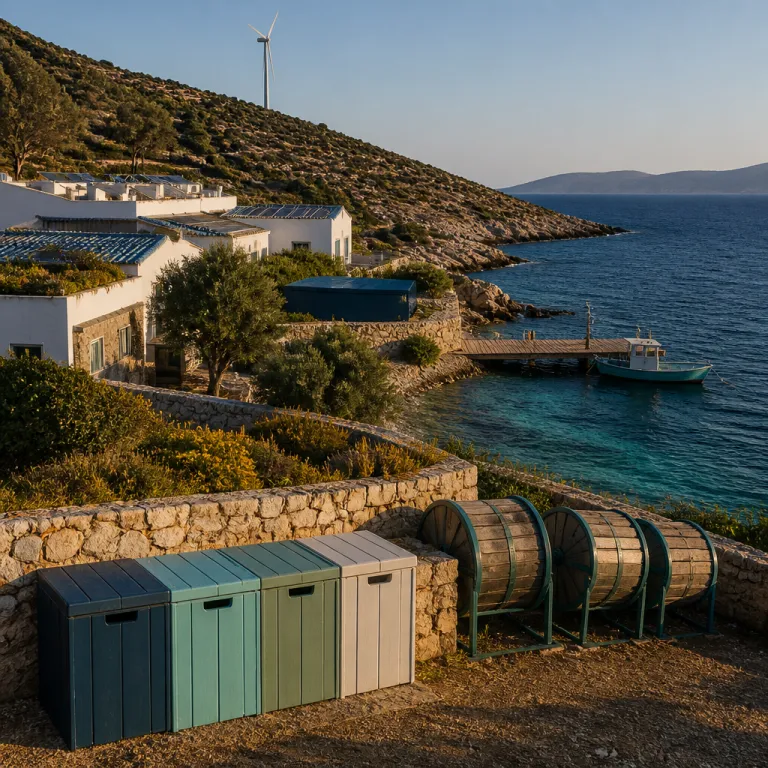
Official data now shows recycling rates around ninety percent and one hundred percent of waste diverted from landfill, a transformation that underpins every conversation about tilos island sustainable eco travel greece. Visitors see it in the color coded bins outside guesthouses in Livadia, in the neat collection points near the beach, and in the absence of overflowing skips that still scar other greek islands. The system is supported by educational programs that encourage both residents and tourism businesses to reduce waste, reuse materials, and treat sustainability as a shared responsibility.
For eco conscious couples, this is not an abstract environmental achievement but a daily experience that quietly shapes their stay. You sort glass and paper after a picnic at Eristos beach, refill bottles at your hotel instead of buying plastic, and notice how local tavernas minimize packaging by sourcing directly from nearby farms. Tilos greece shows that when an island treats waste as a resource rather than a problem, sustainable travel becomes the default setting rather than a niche option.
Renewable energy, wildlife returns, and what guests actually feel
The same ambition that turned Tilos into a zero waste island also powers its renewable energy project, a hybrid system of wind, solar, and battery storage designed for near total autonomy. This renewable energy microgrid means that most of the electricity running air conditioning, hot water, and subtle lighting in your room is generated on the island itself. For couples focused on tilos island sustainable eco travel greece, it is reassuring to know that comfort does not depend on diesel generators humming in the background.
In practice, guests rarely notice the technology because the point is precisely that they should not. Lights switch on instantly, showers run hot, and chilled wine appears on terraces overlooking the aegean sea, just as on any other greek island. The difference is invisible but profound, with Tilos now cited alongside Astypalaia and Donoussa as a leader in renewable energy and sustainable tourism across the greek islands.
The environmental story extends beyond energy into wildlife, shaped by the long standing hunting ban that turned the island into a sanctuary. Birdwatchers follow hiking trails above Agios Panteleimonas monastery to watch Bonelli’s eagles ride the thermals, while patient swimmers sometimes glimpse Mediterranean monk seals off remote coves. These encounters give eco tourism on Tilos greece a rare depth, reminding visitors that low impact tourism can actively support biodiversity rather than simply avoiding harm.
Where to stay and how to travel well on Tilos
Accommodation on Tilos leans toward intimate, owner run properties in Livadia and Megalo Chorio, ideal for couples who value character and discretion. You will not find international chains here, but you will find polished rooms with stone floors, whitewashed walls, and balconies that frame the harbor or the castle above the village. Many of these stays quietly integrate eco friendly practices, from solar water heating and efficient energy systems to filtered water stations that reduce plastic waste.
Reaching this island in Greece requires a little planning, which suits the rhythm of sustainable travel. Most visitors connect through Rhodes, then take a ferry that runs several times a week, so aligning arrival and departure dates with boat schedules is essential. That slight friction keeps tourism numbers manageable and reinforces the sense that tilos island sustainable eco travel greece is for travelers who choose slowness over convenience.
Once on the island, movement is simple and low impact, with walking, local buses, and occasional taxis covering most needs. Couples stroll from Livadia beach to the port for dinner, hike up to the medieval castle above Megalo Chorio, or join small group guided tours that visit Charkadio cave and remote chapels such as Agios Antonios. For mornings when you want to lean fully into the island tempo, look to slow living rituals and thoughtful hotel service, as explored in this guide to Greek island hotel morning experiences.
How couples can engage with Tilos’ community and sustainability vision
What sets Tilos apart from many greek islands is the depth of community engagement behind its sustainability story. The zero waste project depends on residents, hoteliers, and visitors all participating in careful sorting, composting, and reduced consumption, rather than outsourcing responsibility. As one local summary puts it clearly, “Tilos is known for being the world's first certified zero-waste island.”
For couples, that means your choices during travel genuinely matter, from the guesthouse you book to the tavernas you support. Opt for properties that explain their environmental practices, ask how they handle waste, and favor menus built around local produce, seasonal fish, and island grown vegetables. Joining guided tours run by local operators, whether to Charkadio cave, remote beaches, or hillside chapels such as Agios Georgios, keeps tourism revenue circulating within the community that maintains the hiking trails and cultural sites you enjoy.
Thoughtful visitors treat Tilos greece as both a holiday and a living classroom in sustainable tourism. You might attend a short talk about the renewable energy system, visit the waste sorting facility, or simply talk with residents about how the island changed from a waste island to a model of eco tourism. In doing so, couples become part of a quiet but influential shift, proving that tilos island sustainable eco travel greece can deliver romance, comfort, and authenticity while setting new standards for island sustainability.
FAQ
What is Tilos best known for among eco conscious travelers ?
Tilos is best known for being the world’s first certified zero waste island and for its ambitious renewable energy project. The combination of advanced waste management, a wind and solar microgrid, and a long standing hunting ban makes it a reference point for eco tourism in island greece. Couples interested in sustainable travel value how these initiatives are integrated into everyday life rather than presented as a marketing add on.
How did Tilos achieve zero waste status in practice ?
The island reached zero waste status through a comprehensive project that redesigned how waste is handled from households to hotels. Door to door collection, strict separation of materials, composting of organic waste, and strong community engagement allowed Tilos to divert all waste from landfill. Environmental partners such as Mission Zero Academy and Zero Waste Europe supported the process, helping Tilos become a model for other greek islands.
Is it easy to reach Tilos for a short stay in Greece ?
Access to Tilos usually involves flying to Rhodes and then taking a ferry, so it suits travelers who can plan at least several days on the island. Ferry schedules are not daily year round, which encourages longer, lower impact stays rather than quick weekend trips. For couples focused on tilos island sustainable eco travel greece, this slower approach aligns well with the island’s calm rhythm and limited scale.
What can couples do on Tilos besides relaxing on the beach ?
Beyond its quiet beaches near Livadia and Eristos, Tilos offers excellent hiking trails, birdwatching, and cultural visits. Couples often hike to the medieval castle above Megalo Chorio, join guided tours to Charkadio cave, or visit small churches such as Agios Panteleimonas with wide views over the aegean sea. Evenings tend to revolve around local tavernas that highlight seasonal ingredients and reinforce the island’s sustainable tourism ethos.
Do hotels on Tilos offer the same comfort as other Greek island destinations ?
Accommodation on Tilos focuses on small scale, well maintained properties that prioritize authenticity and environmental responsibility. Rooms are comfortable, often with sea views, efficient energy systems, and thoughtful amenities, though you will not find large resort style facilities. For many couples, that balance of comfort, privacy, and eco friendly practice is precisely what makes Tilos greece appealing compared with more developed greek island destinations.