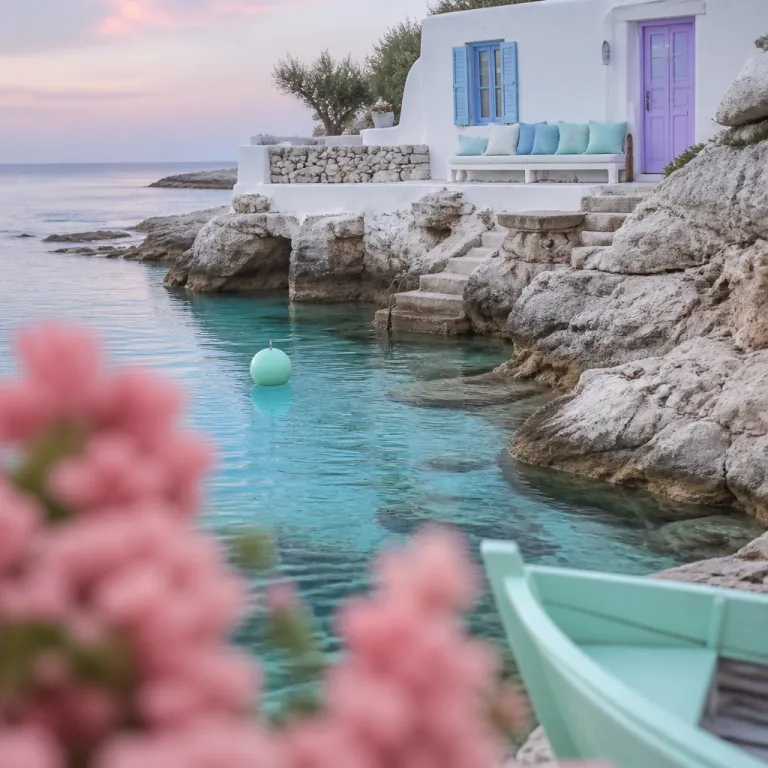
From beach islands to swimming islands: choosing the right Greek island for the water
Not every Greek island that looks perfect in photos is ideal for swimming. Some destinations are defined by a single long sandy beach, while others hide a chain of coves, caves and rocky shelves that quietly deliver the most rewarding swimming in the Aegean Sea. For a family planning a luxury stay, the difference between a classic beach island and a true swimming island in Greece shapes every day of the trip, from where you spread your towels to how long children stay in the water.
A classic beach island such as Naxos offers broad stretches of soft sand, shallow entry and easy access that work beautifully for younger children and grandparents. A more swimming focused Greek island like Iraklia or Schinoussa trades endless sand for low key coves, where the best place for confident swimmers might be a rock ledge with ladders into glass clear water. When you browse any luxury hotel or villa listing across the Greek islands, read carefully whether it promises a sandy beach, a rocky shore or a concrete platform, because each creates a very different experience for families and for how you use the sea each day.
Families who want the best beaches for long sandcastle days should look at Naxos, Antiparos and Kimolos, where great shores such as Livadia Beach, Prassa Beach and the long curve of Agios Prokopios combine soft sand with calm water. Those chasing quieter, deep turquoise swimming with minimal crowds will find Iraklia’s Livadi Beach, Koufonisia’s Finikas and Schinoussa’s Tsigouri more rewarding. These smaller islands in Greece suit families who prefer a low key house or villa near the shore rather than a large hotel in a busy town, and who are happy to walk five to fifteen minutes to reach their favourite cove.
On Santorini, the postcard caldera views rarely mean easy swimming, because the island’s drama comes from cliffs rather than sandy beaches. The best beach options there, such as Perissa and Kamari, are volcanic and pebbly, so many luxury properties focus on pools and private platforms instead of classic beach access. For a family friendly stay that balances a dramatic Greek island town with real time in the sea, many travelers now pair Santorini with a second stop on Naxos or Antiparos during an island hopping itinerary, using regular ferries from Piraeus or Rafina that typically take three to five hours depending on the route.
Shoreline walks and cove hopping: structuring a different kind of beach day
On the quieter Greek islands, many of the most memorable swimming places are reached on foot rather than by car. A coastal path that links three or four small beaches can turn a simple beach day into a gentle adventure, especially for older kids who like a sense of exploration. Parents get the luxury of space and silence, while children count coves instead of sunbeds and learn to read the colour and movement of the water as they go.
On Koufonisia, a sandy trail runs from the main town past Finikas and other sandy beaches, each with slightly different wind exposure and depth, which lets families choose the best spot for that day’s conditions. Schinoussa’s walk from the village down to Tsigouri offers a similar rhythm, with low key tavernas and simple house rentals nearby for a relaxed stay. These islands in Greece are not about a loud beach club but about swimming, eating and walking in a loop that feels almost private even in July and August, when larger islands can feel crowded.
For families staying on Naxos, the stretch from Agios Georgios near town to Agios Prokopios and onward to Agia Anna can be broken into short walks punctuated by swims, snacks and shaded breaks. The sandy beaches here have soft sand and gentle gradients, which makes them family friendly even when the meltemi wind picks up offshore. After a late afternoon swim, you can head inland for an open air evening, using a local guide to Greek island nights to find village festivals or port concerts that keep the kids awake just long enough without overtiring them.
On Antiparos, a low key island that pairs well with Paros for island hopping, Livadia Beach and other coves can be linked by short drives and short walks, creating a relaxed circuit of great beaches in a single day. Here, the best shores are rarely organized, so families should bring shade, snacks and plenty of water. The reward is a sequence of near empty coves that feel like private beach access without the formality of a luxury hotel, and you can often swim with only a handful of other people in sight.
Hotel sea access decoded: from private platforms to hidden coves
When a luxury hotel in Greece promises a private beach, the reality can range from a strip of soft sand to a concrete platform with ladders into deep water. For families comparing swimming options across the islands, understanding this language is as important as choosing the right destination. The fine print on sea access often determines whether kids can play safely or whether the water is better suited to confident adult swimmers who are comfortable with sudden depth and waves.
On Santorini, many high end properties perched on the caldera have no direct beach access at all, instead offering infinity pools and transfers to organized beaches or beach club venues on the east coast. Some hotels on the flatter side of the island do have access to a more conventional stretch of shore, but the coastline is usually pebbly rather than soft sand, which can be tricky for small kids. Families who want a family friendly stay with easy paddling often use Santorini as a two or three night town and view stop, then move on to Naxos or Antiparos for the swimming part of the trip, following advice from the Greek National Tourism Organization on combining islands.
Naxos excels at combining luxury hotels, villa style suites and direct access to great beaches such as Agios Prokopios and Agios Georgios, where the water stays shallow for many meters. Here, a family can book a low key but elegant house or villa behind the dunes and walk to the best beach for each time of day, choosing shade and calm water for younger kids. For more remote experiences, islands like Iraklia, Schinoussa and Kimolos offer simple properties with paths down to coves, and you can read about this edge of the archipelago in our feature on far flung Greek islands, which draws on guidance from the Hellenic Ministry of Tourism.
Families should also look closely at whether a hotel’s private area is above a genuinely good beach or simply a roped off section of a larger shore. A dedicated area on a great bay can be helpful in July and August, but it may also sit on the busiest part of the coastline. If you prefer low key swimming, consider a property one row back from the sea, where you can choose between the organized zone and quieter edges of the same beach, and where evening noise from beach clubs is usually lower.
Protected shores and sunbed free coves: how new rules reshape the beach day
Greece has expanded its coastal protection rules, and this directly affects how families experience the most appealing swimming spots on the islands. According to a 2024 framework presented by the Hellenic Ministry of Environment and Energy, hundreds of beaches nationwide now have stricter limits on sunbeds and permanent structures to protect ecological value and public access. For luxury travelers, this means the most exclusive experience may now be a simple towel on soft sand rather than a reserved lounger at a beach club, especially on smaller islands.
On islands such as Kimolos, Iraklia and Schinoussa, many of the best beaches were already low key, with no permanent structures and only seasonal tavernas. The newer regulations reinforce that character, helping sandy beaches like Tsigouri or Livadi Beach remain quiet places where kids can explore rock pools and older children can snorkel without jet ski noise. Families should plan ahead by bringing umbrellas, water and snacks, because many of these great beaches have no facilities at all and no shade beyond natural rocks.
Even on better known islands in Greece, protected coves are changing the rhythm of the day. Travelers who once spent every day at the same organized beach now mix one or two sunbed days with hikes to sunbed free coves, especially when staying in a villa or house with its own shaded terrace. This shift suits families who value space and nature over constant service, and it aligns with the wider growth in eco tourism across the Greek islands reported by the Greek National Tourism Organization and Euronews Travel.
Local tourism boards and travel agencies increasingly highlight which beaches are protected and which remain organized, using maps and online resources to keep information current. Typical guidance from official channels is to visit during off peak seasons, bring necessary supplies and check local guidelines if you plan to swim on more remote shores. For a family friendly stay, this means building flexibility into your itinerary, alternating a structured day at an organized beach with a more spontaneous swim at a protected cove that may require a short hike.
Swimming with children: matching coves, currents and comfort levels
For a premium family, the most appealing swimming places in the Greek islands are not just about color and clarity but also about safety and ease. A destination that works beautifully for strong adult swimmers may feel intimidating for small kids, especially on rocky shores with sudden depth. Choosing the right mix of sandy beaches, sheltered coves and hotel pools lets every family member enjoy the water on their own terms and at their own pace.
Naxos is a standout for families because Agios Georgios near town and Agios Prokopios further along the coast both offer long stretches of soft sand and gradual entry. These great beaches are ideal for younger kids who want to paddle, while older children can swim parallel to the shore under watchful eyes. Many family friendly hotels and villas sit just behind the dunes, so you can retreat to your house or suite for naps and shade without getting in a car or waiting for a bus.
On smaller islands like Antiparos, Koufonisia and Schinoussa, the scale works in a different way for families. You can walk from your low key hotel to several beaches in a single day, trying one sheltered bay for morning calm and another for afternoon snorkeling. Parents should remember that the usual advice about facilities applies especially here, so pack snacks, water and basic first aid before leaving town, and check with local authorities about lifeguard coverage on more popular shores.
For confident swimmers and older kids, rocky coves on Kimolos or Iraklia can be magical, with deep clear water and fish visible from the surface. These spots are rarely organized, so a simple travel rule applies: one adult in the water, one on the rocks, both watching the sea. Families who split their stay between a full service luxury hotel on a larger island and a simpler villa on a smaller Greek island often find this balance ideal, combining pool days with more adventurous swims.
Reading the July water: timing, temperatures and when to swim
Seasoned Aegean swimmers know that the same bay can feel very different from morning to afternoon. In July and August, the sea around many Greek islands is warm at the surface but still refreshingly cool below, and wind patterns shift through the day. According to data cited by the Greek National Tourism Organization, typical sea temperatures in the central Aegean range from about 22–24°C in June to 24–26°C in July and August, before cooling slightly in October. Families who time their swims well enjoy calmer water, better visibility and less crowding on even the most popular beaches.
On Naxos, the meltemi wind often builds after midday, ruffling the surface at Agios Prokopios and other sandy beaches while leaving more sheltered coves near town relatively calm. A smart pattern for families is to swim early on the open west coast, retreat to a shaded villa or house for lunch, then choose a more protected bay for the late afternoon. This rhythm also keeps kids out of the strongest sun, which is a quiet luxury in itself and reduces the need for constant reapplication of sunscreen.
Smaller islands such as Antiparos, Schinoussa and Koufonisia can feel more exposed, so parents should watch local forecasts and ask hotel staff about currents and wind. Advice on how to reach secluded beaches in Greece—using local ferries, renting boats or hiking to access—works best when the sea is settled and visibility is high. On days with stronger wind, a family friendly plan might be to stay near the main town, use a pool and save the remote cove for a calmer day when waves and currents are easier for children.
For travelers who care as much about what happens after the swim as during it, timing also shapes meals and evenings. A late afternoon dip followed by an early dinner at a port taverna lets you experience the islands’ food culture, which we explore in depth in our feature on what Greeks actually eat on the islands. On many Greek islands, the best beach memories are stitched together with the taste of grilled fish, the walk back to your hotel in the blue hour and the quiet satisfaction of having chosen the right cove for that particular day.
Key figures for swimming focused travel on Greek islands
- The Greek National Tourism Organization notes that Greece has roughly 6,000 islands and islets, of which around 200–230 are inhabited, giving families a vast choice between busy beach islands and low key swimming islands.
- Policy updates presented by Greek authorities in 2023–2024 have increased the number of beaches with strict limits on sunbeds and permanent structures to protect sensitive coastal ecosystems, which in turn boosts the number of wild feeling coves available to swimmers seeking quieter experiences.
- Late spring and early autumn are identified by local tourism boards as the best periods for solitude on many beaches, with water temperatures still comfortable for swimming but far fewer visitors than in July and August.
- On smaller islands such as Iraklia, Schinoussa and Koufonisia, many of the best beaches have no permanent facilities, so families are advised to bring essentials for the day, from drinking water to shade.
- Growth in eco tourism and personalized travel experiences across the Greek islands has led to increased interest in secluded beaches, encouraging more travelers to explore beyond the main town and organized shores.
FAQ about swimming and family stays on Greek islands
How can families reach secluded swimming spots safely ?
Families can reach secluded beaches by using local ferries, hiring small boats with skippers or following marked hiking paths from the main town. On quieter islands, paths to coves such as Livadi Beach on Iraklia or Tsigouri on Schinoussa are well trodden but unshaded, so hats and water are essential. Always check local weather and sea conditions before committing to a longer walk or boat ride, and ask port authorities for up to date safety information.
Are there usually facilities at remote coves and smaller beaches ?
Many of the most beautiful coves on islands like Antiparos, Koufonisia and Kimolos have no permanent facilities at all. Local guidance is clear: many beaches lack facilities, so families should pack snacks, water, sun protection and basic first aid. Organized beaches with sunbeds, showers and tavernas are more common near larger towns and on bigger islands, and are usually marked on municipal maps and tourism board materials.
Which Greek islands work best for a family friendly swimming holiday ?
Naxos is often considered one of the best islands for families because of its long sandy beaches such as Agios Georgios and Agios Prokopios, both with gentle entry and nearby accommodation. Antiparos and Koufonisia suit families who like walking between low key coves and staying in simple villas or small hotels close to the sea. For those who want dramatic scenery plus swimming, pairing Santorini with a second, more beach focused Greek island works very well and is a combination frequently recommended by Greek travel specialists.
When is the best time of day to swim with kids in July and August ?
In July and August, mornings and late afternoons are usually the best times for family swimming on most Greek islands. The sea is calmer, the sun is less intense and organized beaches are quieter before midday and after 16:00. Many families plan a long lunch and rest at their hotel or house during the hottest hours, then return to the nearest beach for an evening swim when the light softens and the sand cools.
What should families pack for a day at a protected, sunbed free beach ?
For a day at a protected cove without facilities, families should bring ample water, snacks, a beach umbrella or sun tent, reef safe sunscreen and simple water shoes for rocky entries. A lightweight mask and snorkel can transform a simple swim into an underwater exploration, especially for older kids. Rubbish bags are also important, because on low key beaches without bins, taking everything back to town helps keep the Greek islands pristine and supports the conservation goals set out by national authorities.
Trusted sources
- Greek National Tourism Organization
- Hellenic Ministry of Tourism
- Hellenic Ministry of Environment and Energy
- Euronews Travel