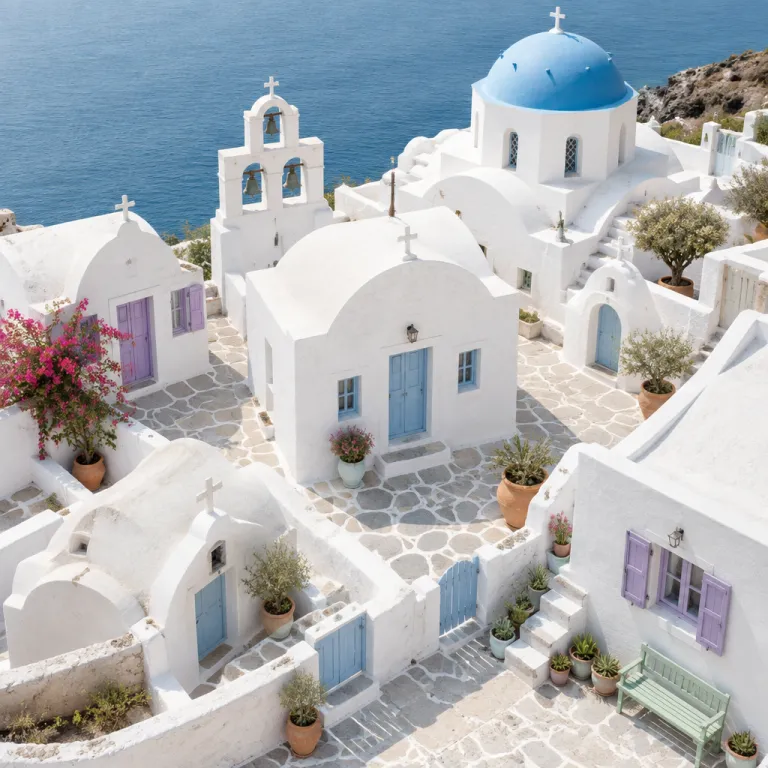
Why the Cyclades are covered in chapels
The first thing many couples notice when they land on a Cycladic island is the sheer number of tiny white chapels. Each one is a quiet footnote in the wider story of cyclades chapels culture heritage, written across islands that stretch like stepping stones through the Aegean Sea. On every island in the Cyclades, from Tinos to Naxos and from Andros to Santorini, these buildings turn the landscape into an open air archive of faith and family.
There are three main reasons you see so many chapels across the greek islands, and understanding them changes how you move through this part of Greece. Many are private family churches, built on island farmland or above olive groves as acts of gratitude for a safe birth, a healed illness or a son returning from the Aegean alive after a storm. Others are the result of vows made at sea, when a captain promised a saint a chapel on his home island if the boat reached a cycladic island harbor in one piece.
A third layer comes from village life and the greek orthodox calendar, which shapes time in the Cyclades as clearly as the sun drenched seasons. Every chapel is dedicated to a saint, and its panigiri, the annual feast, turns a quiet headland into a temporary greek city of music, incense and grilled fish. When you book a luxury stay on any cycladic island, from a clifftop suite in Santorini to a marble lined hideaway on Tinos, asking about local panigiria is one of the most reliable ways to connect your trip to authentic cyclades chapels culture heritage.
Blue and white as function, not just postcard charm
Those blue domes and white walls that dominate images of the Cyclades greek islands are not a design cliché invented for social media. They are the practical outcome of centuries of life in a harsh Aegean climate, and they sit at the heart of cyclades chapels culture heritage that you will meet on every island. When you stand before a chapel on Andros or on the sacred island of Delos, you are looking at architecture shaped by wind, salt and light rather than by fashion.
The cubic cycladic form, with its thick walls and minimal openings, keeps interiors cool at the hottest time of day and protects icons from the fierce Aegean Sea glare. Lime wash, renewed each spring across cycladic islands like Tinos and Naxos, acts as a natural disinfectant and a reflective skin, bouncing the greek sun away from the stone beneath. Blue doors and domes echo the sea and sky, but they also once used readily available pigments that weathered well in the Aegean, making maintenance easier for families whose time was divided between fields, fishing and seasonal work in Athens, Greece.
On Tinos renowned for its marble carving, even the humblest chapel step or window frame might be cut from local marble, turning functional thresholds into small works of art. The same is true on Andros Tinos ferry routes, where you can see chapels perched above coves that once sheltered trading boats sailing between Europe and Asia and the wider Greece Peloponnese coast. When you choose a luxury hotel that frames these chapels from its terraces, especially on islands with strong architectural character like Syros or Hydra, you are also choosing a front row seat on the evolution of cyclades chapels culture heritage and the broader story of architecture in the Aegean, a theme explored in depth in this guide to Greek islands where architecture is the main attraction.
Reading an island’s history through its chapels
Once you start paying attention, chapels become a code that lets you read each island as clearly as any history book. On Tinos, chapels scattered between terraced hillsides and olive groves trace the movement of families from inland villages down toward the sea, mirroring the shift from agriculture to fishing and tourism over the last century. The pattern is different on Andros, where seafaring wealth funded larger churches near coastal mansions, while tiny hillside chapels mark older, more precarious lives.
Some islands carry even deeper layers of cyclades chapels culture heritage, especially where ancient sanctuaries once stood. On the sacred island Delos, a short boat ride from Mykonos, the ruins of temples remind you that this was once a religious and commercial hub linking Greece with Europe and Asia, long before the rise of any modern greek city. Nearby Keros and other smaller islands in the Cyclades Greek archipelago still yield archaeological finds that show how long people have been marking sacred spots in this Aegean landscape.
For couples staying on island Tinos or pairing Tinos Naxos in a single trip, chapels become a way to understand how migration shaped the Cyclades Tinos story. Families who left for Athens, Greece or for shipping jobs in Piraeus often funded new chapels back home, turning remittances into marble bell towers and icon screens. When you walk from one chapel to the next on any cycladic island, you are tracing routes of emigration, return and faith that define cyclades chapels culture heritage as much as any museum in mainland Greece Peloponnese.
Panigiri nights and how chapels come alive
For most of the year, many chapels in the Cyclades stand locked and silent, their doors opening only when a family needs a baptism or a quiet prayer. Then comes the saint’s feast day, and for one night the entire logic of cyclades chapels culture heritage reveals itself in sound, scent and shared plates. This is the panigiri, the island festival that turns a remote headland or mountain saddle into the liveliest place in the Aegean.
On Tinos renowned for its religious life, some panigiria draw pilgrims from across Greece and from greek islands as far as Crete, while others remain intimate affairs for a single village. A chapel that seems modest by day becomes the center of a carefully choreographed ritual, with greek orthodox liturgy inside and long tables outside where grilled lamb, local cheese and wine circulate until late. Musicians tune up under sun drenched skies that slowly darken, and by the time the number of stars matches the number of candles, you understand why time feels elastic in the Cyclades Greek world.
Couples staying in luxury properties on Naxos, Santorini or Andros can easily weave a panigiri into their itinerary, especially if they ask their concierge to check the calendar of feasts for nearby cycladic islands. Some hotels arrange transfers to remote chapels, allowing you to enjoy the great natural drama of the Aegean Sea by night without worrying about driving back along unlit roads. For those tracing the layered history of the region, panigiri culture also connects with the Venetian and maritime past of the Aegean, a thread explored in this trail through the Venetian Greek islands, where chapels and churches still carry symbols of both east and west.
Slow travel for couples: chapel walks and where to stay
For a couple, the most rewarding way to engage with cyclades chapels culture heritage is often the simplest one. Choose an island, lace up walking shoes and let a string of chapels guide you across a headland at golden hour, when the Aegean light softens and the marble doorframes glow. This is slow travel at its most elemental, and it pairs beautifully with the comfort of a luxury suite waiting at the end of the path.
On island Tinos, one of the most atmospheric routes runs between the villages of Volax and Agapi, where chapels punctuate a landscape of boulders and terraces that feels almost lunar. The combination of olive groves, stone dovecotes and whitewashed churches makes this part of Andros Tinos and the wider cycladic islands feel timeless, especially when bells mark the passing of time rather than phone notifications. Naxos offers similar walks from Chalki toward the interior, while on Santorini a quieter trail from Pyrgos toward the Profitis Ilias monastery lets you step away from the caldera crowds and see how chapels once served farmers rather than photographers.
When choosing where to stay, look for properties that frame chapels rather than isolate you from them, whether on a smaller cycladic island like Keros or on better known islands across Greece. A hillside retreat on Tinos Naxos ferry routes might offer sunrise views over a sacred island chapel, while a restored mansion on Andros could open directly onto a lane lined with three small churches. In every case, the most memorable luxury in the Cyclades Greek world is often the ability to step from your room into a landscape where chapels still quietly organize daily life, anchoring cyclades chapels culture heritage between sea and sky.
FAQ about Cycladic chapels and luxury stays
Why are there so many chapels on Cycladic islands ?
The large number of chapels across the Cyclades comes from private family dedications, vows made at sea and the greek orthodox tradition of honoring specific saints. Families built chapels on farmland, near olive groves or above coves as acts of gratitude for protection and prosperity. Over time, this created a dense network of sacred places that now defines cyclades chapels culture heritage.
Can visitors attend a panigiri at a chapel ?
Visitors are generally welcome at panigiria, the saint’s day festivals that bring chapels to life once a year. It is respectful to dress modestly, arrive in time for at least part of the service and follow local cues about when to join the meal or dancing. Your hotel concierge can usually suggest appropriate events on islands like Tinos, Naxos, Andros or Santorini.
Which Cycladic islands are best for chapel walks for couples ?
Tinos, Andros and Naxos are particularly rewarding for chapel focused walks, thanks to their extensive trail networks and varied landscapes. Island Tinos combines dramatic headlands, traditional villages and Tinos renowned religious sites, while Andros offers green valleys and coastal paths. Naxos adds ancient towers and fertile plains, giving couples multiple ways to connect walking, chapels and local food.
How should we behave when we enter a chapel ?
When entering a chapel in the greek islands, dress modestly, speak quietly and avoid using flash photography near icons. It is polite to stand rather than sit unless locals indicate otherwise, and to step outside if a private ceremony is taking place. Always treat chapels as living places of worship, not just as photo backdrops.
Are there luxury hotels that highlight Cycladic religious and cultural heritage ?
Many premium properties across the Cyclades Greek region now integrate local culture into their design and guest experiences. Some use traditional marble, cycladic forms and chapel views as key elements of their architecture, while others organize guided walks to nearby churches or panigiria. When booking, ask specifically how the hotel connects guests with cyclades chapels culture heritage rather than only with beaches and pools.
References
Hellenic Ministry of Culture and Sports ; Greek National Tourism Organization ; Ephorate of Antiquities of the Cyclades.