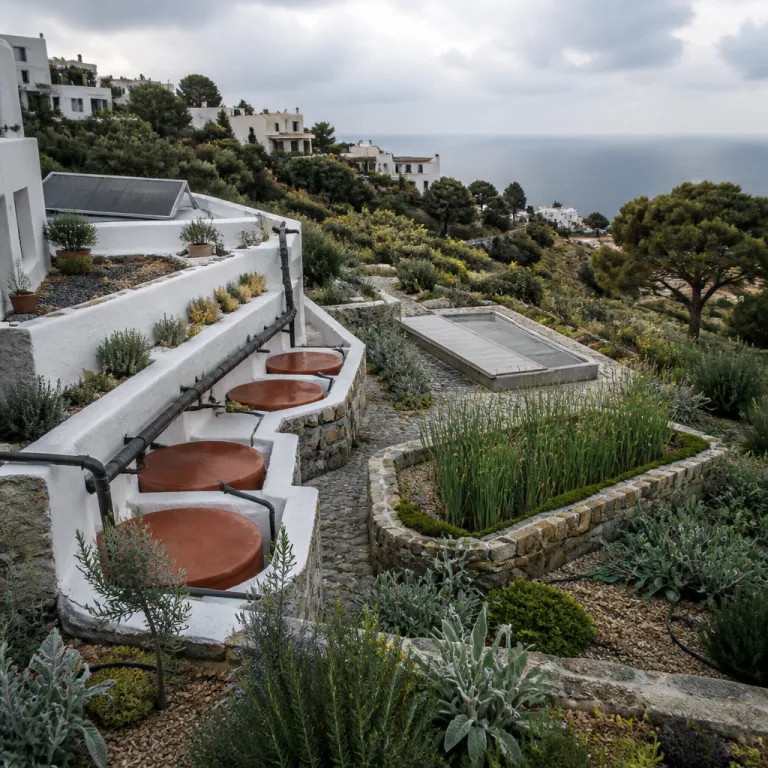
Why water defines sustainability for greek islands luxury hotels
On a greek island, sustainability starts and ends with water. When seven Aegean islands declare drought emergencies and reservoirs sink to a fraction of capacity, greek islands water sustainability hotels move from marketing slogan to operational survival. For luxury travelers, that shift quietly reshapes where you stay, how you shower, and even which pool you swim in.
Research on Crete shows direct water use per tourist arrival at 2.71 m³, while energy consumption per arrival reaches 124.55 kWh, and those numbers scale sharply on smaller islands with fragile systems. High end hotels concentrate this demand, so every long shower, every freshly laundered pool towel, carries a measurable environmental impact on local communities and ecosystems. On islands where annual rainfall can be described as “2.5 centimeters deep in a bucket”, the old model of unlimited water on holiday is no longer compatible with responsible tourism in greece.
Greek island hotels now sit at the frontline of this environmental challenge, working with the Greek government, local governments, and environmental organizations to redesign operations. Many properties are shifting to seawater pools to conserve freshwater, because “Why are Greek island hotels using seawater in pools? To conserve freshwater amid drought conditions.” For travelers choosing between luxury hotels, the new mark of eco friendly excellence is not only the infinity pool view, but the invisible water and energy systems that keep the island’s local community supplied long after you fly home.
From desalination to closed loop systems: how properties are reengineering water
Across the Aegean islands, the most forward thinking hotels now treat water as a finite asset, not an unlimited amenity. Many greek islands water sustainability hotels invest in on site desalination plants, pairing solar desalination with battery storage to reduce the carbon footprint of turning seawater into drinkable water. The Greek government has backed this shift with targeted funding for desalination, grid upgrades, and water tanks, signalling that water scarcity is a structural challenge for tourism in greece.
New generation properties are designed around low impact infrastructure from the outset, rather than retrofitting later. On Milos, for example, Erema has been developed with water conservation strategies, native landscaping, and efficient systems as part of its LEED Gold ambitions, showing how heritage hotels and contemporary resorts alike can embed sustainability into their architecture. Across several islands, seawater pools, greywater recycling, and flow restrictors in suites now work together as closed loop systems that quietly cut freshwater use while preserving guest comfort.
For guests, the most visible change is often subtle, from dual flush toilets to discreet reminders to conserve water during stays. Behind the scenes, solar water heating and solar energy for pumps and filtration reduce energy demand, while some properties explore solar power for on site treatment plants to move closer to carbon neutral operations. If you want to support local innovation, look for hotels that publish clear data on their environmental impact and explain how their water systems protect the island’s local communities and marine conservation zones, as seen on pioneering islands such as Tilos, where a waste nothing approach to resources has become a model for sustainable tourism and is explored in depth in our guide to circular living on Tilos.
What sustainability minded guests should look for when booking
For business leisure travelers extending a trip in greece, choosing greek islands water sustainability hotels is now a strategic decision, not a niche preference. Start by checking whether a property uses desalination, greywater recycling, and water efficient fixtures, because “What water-saving technologies are hotels implementing? Desalination, greywater recycling, and efficient fixtures.” A serious hotel will explain how its systems reduce pressure on the island’s limited freshwater and energy resources, rather than hiding behind vague green language.
Next, read how the hotel engages with the local community and local culture around water and food production. Properties that support local farmers, invest in low impact landscaping with native plants, and reduce lawn irrigation usually have a more thoughtful approach to environmental impact across the board. Some heritage hotels now pair traditional cisterns with modern renewable energy solutions, using solar power and battery storage to run pumps and filtration, which helps stabilise the island grid and lowers the overall carbon footprint of tourism.
Guest facing incentives are also telling. On one Aegean island, a hotelier offers guests a five euro voucher for skipping daily room cleaning, and the positive response shows that travelers are ready to participate in eco friendly practices when the ask is clear and respectful. Look for greek island properties that invite you into their sustainability journey through transparent reporting, curated experiences with local communities, and optional contributions to marine conservation or social impact projects, rather than mandatory fees that feel like greenwashing.
Island by island: how water scarcity reshapes luxury experiences
Water scarcity does not hit every greek island in the same way, and greek islands water sustainability hotels respond with distinctly local strategies. On smaller islands with limited aquifers, luxury hotels often rely heavily on solar desalination and careful water budgeting, which can influence everything from spa menus to how often pools are topped up. Larger islands with more developed infrastructure may focus on upgrading existing systems, integrating solar energy, and refining their tourism carrying capacity to protect local communities.
For guests, this means the texture of a holiday shifts subtly between islands. On one island, you might swim in a seawater pool overlooking a marine conservation zone, knowing the hotel has chosen this option to reduce freshwater extraction and environmental impact. On another, you may find heritage hotels that have restored stone cisterns and terraced gardens, using closed loop irrigation and renewable energy powered pumps to keep traditional landscapes alive without straining the local water supply.
Wellness focused travelers can lean into these differences when planning experiences. If you are considering a solo wellness retreat, for example, our guide to restorative stays in the Aegean highlights properties where water conscious design and low impact architecture create a quieter, more reflective atmosphere. Across the islands, the most interesting hotels now frame sustainability not as a sacrifice, but as a way to deepen your connection with local culture, local food production, and the rhythms of the island community that hosts your stay.
Beyond the tap: energy, carbon and the future of Aegean hospitality
Water and energy are inseparable in the Aegean, and greek islands water sustainability hotels increasingly treat them as a single design problem. Every cubic metre of desalinated water carries an energy cost, so the shift to solar energy, solar power, and other forms of renewable energy is central to keeping tourism viable on smaller islands. Properties that pair desalination with on site battery storage and efficient systems can dramatically cut both operating costs and carbon footprint over the long term.
The most ambitious hotels now aim for carbon neutral operations, not only through green electricity but through holistic resource planning. That can mean closed loop approaches to food production, composting organic waste to nourish kitchen gardens, and sourcing from local communities to reduce transport emissions and support local economies. On islands where tourism dominates the economy, these choices have a direct social impact, helping local communities maintain cultural heritage while adapting to a drier climate.
For travelers, the future of luxury in greece will feel quieter, smarter, and more attuned to place. Expect more discreet technology in rooms, from real time water use displays to gentle prompts that nudge you toward eco friendly choices without compromising comfort. As drought projections from institutions such as the National Centre for Scientific Research Demokritos grow more severe, the hotels that thrive will be those that treat water, energy, and community as a single, shared resource, inviting guests to support local resilience rather than simply consume it.
FAQ
Why are Greek island hotels using seawater in pools ?
Many Greek island hotels now fill pools with seawater to reduce pressure on scarce freshwater supplies. This approach is especially relevant on smaller islands where aquifers are limited and rainfall is low. Using seawater in pools allows properties to maintain guest experiences while reserving potable water for essential uses in the local community.
How does tourism impact water resources on Greek islands ?
High visitor numbers significantly increase water demand on islands with limited natural reserves. Research from Crete shows that each tourist arrival can add several cubic metres of direct water use and more than one hundred kilowatt hours of energy consumption. Without efficient systems and careful planning, this extra demand can strain local communities, ecosystems, and the long term sustainability of tourism.
What water saving technologies should I look for when booking a hotel ?
When choosing a property, look for clear information about desalination, greywater recycling, and water efficient fixtures in rooms and public areas. Hotels that combine these systems with solar water heating, renewable energy, and smart monitoring usually manage resources more responsibly. Transparent reporting on environmental impact is a strong indicator that a hotel takes sustainability seriously rather than treating it as a marketing slogan.
How can guests help conserve water during their stay ?
Guests can make a real difference by taking shorter showers, reusing towels, and accepting less frequent linen changes. Participating in hotel sustainability programs, such as opting out of daily housekeeping in exchange for a small benefit, reinforces good practices. Choosing properties that prioritise water and energy efficiency also sends a clear signal that responsible tourism matters.
Are eco friendly luxury hotels less comfortable than traditional properties ?
On the Greek islands, many of the most refined hotels now integrate sustainability into design so seamlessly that guests barely notice the technology. Efficient fixtures, solar power, and closed loop systems work in the background while you enjoy high service standards and carefully curated experiences. Rather than reducing comfort, these measures often create calmer, more thoughtfully designed spaces that reflect the character of each island.