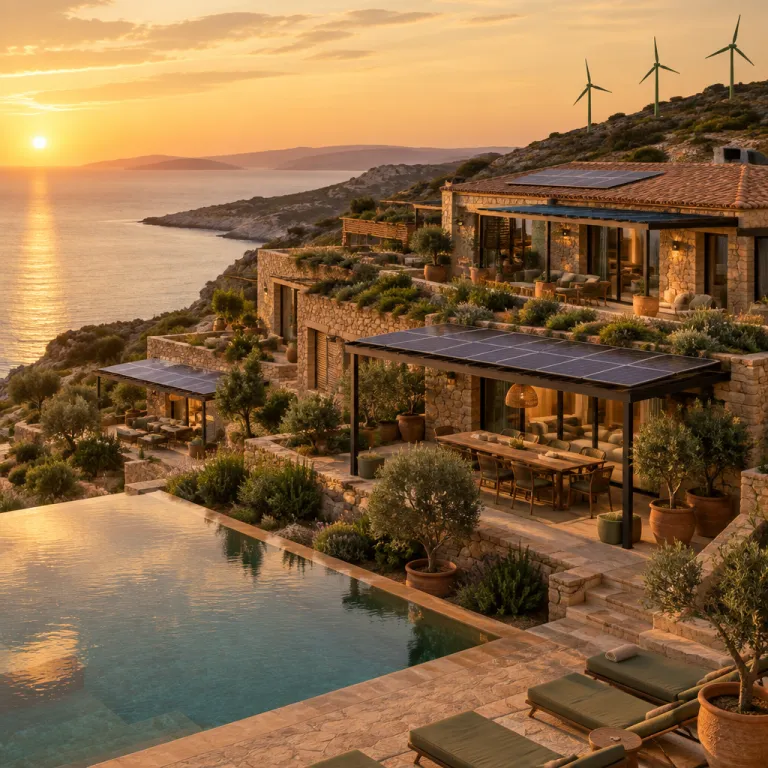
Why a greek islands renewable energy sustainable stay begins with the right island
Choosing an island in Greece is no longer only about beaches and views. For many solo travelers, the real luxury lies in an island that treats energy and sustainability as seriously as it treats sunsets. A greek islands renewable energy sustainable stay starts with understanding how these islands generate power and how that shapes your time there.
Small islands in the Aegean are natural laboratories for renewable energy because their grids are isolated and their resources are finite. Places like Tilos, Astypalea and Chalki have become case studies in how wind, solar and storage can replace diesel, creating a quieter and more environmentally friendly backdrop for your stay. When an island leans into renewable energy and sustainable tourism, you feel it in the clear air, the low impact traffic and the way local communities talk about their future.
On a practical level, an island that invests in green energy usually invests in other eco measures too. You see it in water management, in how hotels greece handle waste, and in how villages protect their natural beauty from overdevelopment. For a solo explorer planning a greek islands renewable energy sustainable stay, this alignment between energy, sustainability and everyday life is what turns a trip into a statement about the kind of travel you want to support.
Tilos and the new quiet of renewable energy islands
Tilos is often cited as the first island in Greece to run largely on wind and solar, and that shift is immediately audible when you arrive. The old diesel generators that once powered the island have fallen mostly silent, replaced by a hybrid system that lets the grid lean on renewable energy for much of the year. For a solo traveler seeking a greek islands renewable energy sustainable stay, that silence is part of the luxury.
Here, the conversation about sustainability is not abstract ; it is woven into daily greek hospitality, from the way the local bus schedule respects low impact rhythms to how small properties manage their energy use. Many hotels on Tilos are modest rather than headline grabbing luxury hotels, yet they feel genuinely sustainable because they work with the island’s environmental limits instead of against them. When you read about what happens when a Greek island decides to waste nothing, you understand why this place has become a reference point for environmentally friendly travel across the greek islands.
Energy independence here also changes how you move and eat. You are more likely to stay in a hotel greece style guesthouse in the main village, walk to the port taverna and spend evenings in local bars powered by the same wind that ruffles the bay. This is where the phrase greek islands renewable energy sustainable stay stops being a slogan and becomes a lived experience, one where supporting local businesses and respecting environmental impact feels as natural as ordering another plate of grilled octopus.
How sustainable properties rethink water, waste and power together
On islands that take sustainability seriously, the most interesting properties treat energy, water and waste as a single design problem. A luxury hotel that runs partly on renewable energy but still relies on endless bottled water and single plastics is not genuinely sustainable, no matter how green its marketing sounds. The leaders in hotels greece now design systems where solar panels, rainwater collection and careful waste sorting work as one quiet infrastructure behind your stay.
Look for hotels that hold Green Key or similar certifications, not as a badge but as evidence of audited environmental performance. These properties often pair photovoltaic panels with smart building architecture, using thick stone walls and shaded courtyards to reduce cooling needs in a very traditional greek way. When you read about how Greek island hotels are adapting to a drier Aegean, you see how water scarcity pushes hoteliers toward low impact choices that also improve guest comfort.
For a solo traveler, this means your greek islands renewable energy sustainable stay might include filtered tap water in glass jugs, refill stations instead of plastic crates and composting systems that feed an organic farm behind the property. Some eco lodge style retreats on islands like Paros or Naxos now integrate small gardens irrigated with treated greywater, turning waste into herbs for your breakfast. The most thoughtful hotels in Greece make these systems visible enough that you understand the environmental impact, yet discreet enough that the feeling remains pure luxury.
Design, villages and the new language of green luxury
The architecture of sustainable luxury hotels in Greece is shifting away from showpiece infinity pools toward something more grounded. On islands experimenting with renewable energy, the most interesting properties borrow from traditional village forms, using thick walls, narrow lanes and planted roofs to keep interiors cool. This is not nostalgia ; it is a design language that treats energy as precious and natural beauty as the main amenity.
In practice, that might mean a low slung eco lodge built along a hillside, its rooms stepping down like a whitewashed amphitheater facing the sea. Instead of a single monumental pool, you find smaller plunge pools shaded by pergolas, reducing evaporation and power use while keeping the feeling of luxury intact. Interiors lean on local stone, limewash and greek textiles, creating a sense of place that mass produced hotels rarely match.
For solo travelers, these spaces feel both intimate and expansive. You can walk from your room to the village square in minutes, passing gardens that supply the kitchen and terraces where local communities gather at dusk. A greek islands renewable energy sustainable stay in such properties is less about being sealed off from the island and more about being folded into its rhythms, from the morning bakery run to the late night conversation at the kafeneio.
Slow mornings, local communities and choosing your own low impact path
Energy self sufficiency tends to slow an island down in the best possible way. When power comes from sun and wind, there is a natural rhythm to the day that encourages guests to align their routines with the elements. A greek islands renewable energy sustainable stay often begins with a slower breakfast, a shaded terrace and the sense that nothing urgent needs to happen before the cicadas start.
Many luxury hotels on these islands now build their guest experience around this slower tempo. They offer farm to table breakfasts sourced from an organic farm nearby, encourage walks to the next village instead of transfers, and curate activities that keep environmental impact low while supporting local guides. If you are curious about how this feels in practice, read about the slow morning ritual in Greek island hotels and imagine that first coffee brewed with solar powered equipment.
For a solo explorer, the choice of island becomes a statement of values as much as a route on a map. You might skip content heavy itineraries that cram three islands into five days and instead stay longer on one place that aligns with your sense of sustainable tourism. In doing so, you give more back to local communities, reduce transport emissions and experience a deeper form of greek hospitality that feels both eco friendly and quietly luxurious.
FAQ
Which Greek islands are leading in renewable energy for travelers?
Tilos is the most cited example of a Greek island running largely on wind and solar, with a hybrid system that has reduced reliance on diesel generators. Astypalea and Chalki have also launched ambitious renewable energy and low impact mobility projects, aiming to cut emissions while improving quality of life for residents and guests. When planning a greek islands renewable energy sustainable stay, these islands are strong starting points for travelers who want their hotel choice to match their environmental values.
How can I tell if a hotel in Greece is genuinely sustainable?
Look beyond marketing language and check for credible certifications such as Green Key, which audits water, waste and energy performance. Genuinely sustainable properties will explain how they reduce single plastics, manage their environmental impact and support local communities through employment and sourcing. You should also see practical measures on site, such as refillable glass bottles, efficient cooling systems and clear information about how guests can keep their stay eco friendly.
Does choosing a renewable energy island mean sacrificing luxury?
On the contrary, many luxury hotels on renewable focused islands in Greece use sustainability to enhance comfort rather than limit it. Thoughtful architecture, natural materials and quieter energy systems create calmer rooms, cooler terraces and more restful nights. The real shift is from showy excess toward a more refined, place sensitive kind of luxury that values natural beauty and greek hospitality as much as thread count.
What should solo travelers prioritize for a low impact stay in the Greek islands?
Solo travelers should prioritize staying longer on fewer islands, choosing properties that are transparent about their sustainability practices and located close to a village or port to reduce transport needs. Walking, using public buses and eating in local tavernas all help keep environmental impact low while supporting local businesses. When you align your pace of travel with an island’s renewable energy rhythm, your greek islands renewable energy sustainable stay becomes both more relaxing and more responsible.
Are eco lodge style properties suitable for first time visitors to the Greek islands?
Eco lodge style properties can be excellent for first time visitors, especially those who value quiet, nature and a strong sense of place. Many of these hotels greece combine renewable energy systems with warm greek hospitality, offering guidance on local walks, swimming spots and cultural sites. As long as you are comfortable with a slightly slower, more intentional style of travel, an eco focused property can be an ideal base for understanding how islands balance tourism with sustainability.