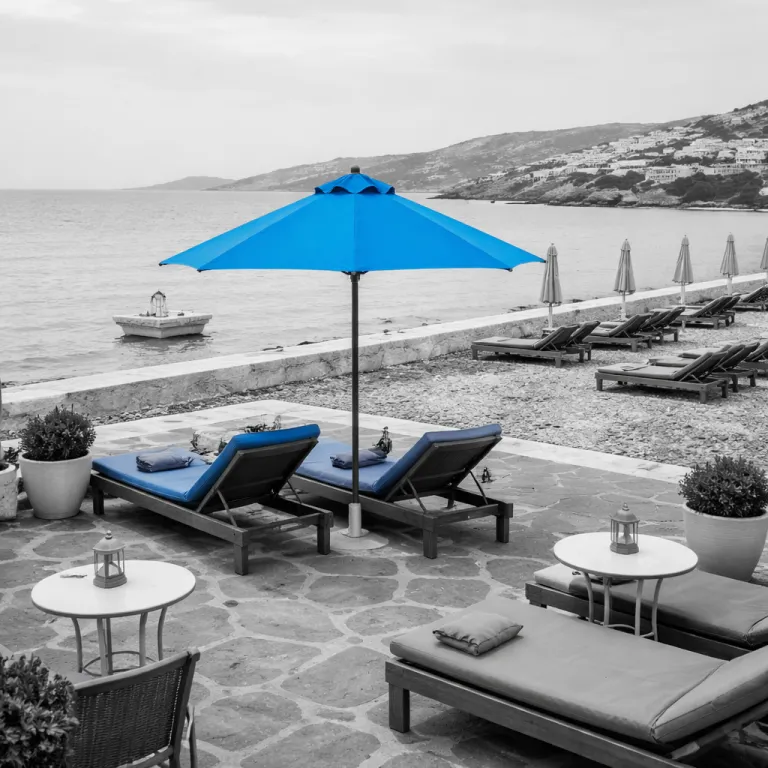
Greek islands in May: a different country from high summer
On the Greek islands in May, the Aegean feels unhurried and precise. Average daytime weather in Greece typically hovers around 22 °C, which makes this one of the best times to walk coastal paths, linger in village squares and plan a longer trip without overheating. These early days of the shoulder season are when you can experience the islands as working communities first and holiday postcard second.
For luxury travelers, May is often the best time to visit a Greek island if you value service over spectacle. Many five-star properties in Greece quietly open in late April, so by mid May the team is trained, the infinity pools are polished and the spa therapists are fully booked only on weekends, not every day. This is the moment when shoulder season rates are still gentle, yet the experience already feels close to peak summer standards.
Traffic patterns shift too. Island-hopping ferries on major routes, such as Piraeus–Santorini or Piraeus–Heraklion, usually run at least one or two sailings a day by early May, which makes a tailored trip to several islands realistic without chartering a private boat. You can visit Greek ancient sites such as Delos or Knossos with roughly half the crowds you would face from June to September, and the same applies to ruins near Athens where cruise ship excursions have not yet reached full volume. For a solo explorer planning a trip to Greece, this is a good time to test more ambitious itineraries that would feel punishing in July–August heat.
Water is the one element that keeps May honest. The sea around many Greek islands is swimmable but brisk, especially on smaller Cycladic islands where the meltemi wind lingers from winter. Expect the weather in Greece to deliver clear skies and long light, but treat long swims as a refreshing ritual rather than a lazy summer afternoon activity. If daily bathing is non‑negotiable for your trip to Greece, choose a larger island such as Crete or Rhodes, where bays warm earlier and luxury hotels often heat at least one pool during the shoulder season.
Which islands are truly open by mid May ?
Not every Greek island runs on the same calendar, and that matters in May. Islands with strong local economies such as Crete, Rhodes and Corfu operate almost year round, so by early May their luxury hotels, port tavernas and key ancient sites are fully awake. Smaller islands that rely on the peak season from July–August can still feel half closed, with only a few restaurants open and limited high-end options for a premium stay.
For a solo traveler seeking both comfort and atmosphere, the best Greek islands in May are those with real towns rather than only beach strips. Chania and Heraklion in Crete, Kos Town, Rhodes Town and the main town of Paros all offer a mix of local life, archaeological museums and high-level properties that understand shoulder season guests. These places give you a balanced combination of functioning infrastructure, refined hotels and the quieter rhythm that defines spring on the Greek islands.
Wellness-focused travelers should look to islands where spa and fitness facilities are not an afterthought. Crete and Kos now host several serious wellness resorts, and a solo guest can check into a luxury property without feeling marooned once the sun sets. For more guidance on where to retreat alone yet stay connected to a sense of place, our dedicated guide to solo wellness in the Aegean maps out island options that work especially well in the shoulder season.
Operational readiness also affects how you experience culture. On islands with significant ancient ruins or other ancient sites, such as Rhodes’ acropolis at Lindos or the Palace of Knossos in Crete, May brings shorter queues and cooler weather for slow exploration. Local guides often say, “Is May a good time to visit Greek islands? Yes, for pleasant weather and fewer crowds.” That simple line captures why this season suits travelers who want to explore Greek heritage without the pressure of peak season tour groups.
Weather, sea temperatures and the real luxury of space
Weather shapes everything about a trip to Greece, and May sits in a sweet spot between theory and reality. The Hellenic National Meteorological Service reports average temperatures of around 20–23 °C in May and 25–27 °C in June across many coastal regions, which means you feel early summer warmth without the intensity that arrives from late June into September–October. For luxury travelers, that translates into long terrace breakfasts, unhurried hikes and the freedom to choose an island for its character rather than only for its air conditioning.
Sea temperatures lag behind the air, so expectations matter. In May, typical sea temperatures hover around 18–19 °C in the Cyclades, 19–20 °C around Crete and the Dodecanese, and 19–21 °C in the Ionian islands, so swimming is possible but bracing in many places. By early June, though, sheltered bays in Crete, the Dodecanese and the Ionian usually reach a more comfortable range for daily dips, which helps explain why tourist numbers often jump by roughly a third from May to June according to summaries from Greek tourism bodies.
Those same dynamics explain why the character of the islands changes so quickly. In May, you can still walk into a waterfront taverna on a well-known Greek island and find the owner chatting with fishermen rather than managing a queue of tables. From late June into the core peak season, especially July–August, the best tables are often reserved days in advance and the sense of intimacy fades. If your idea of the best Greek experience involves spontaneous evenings and conversations with locals, late spring is your ideal time to visit.
Nature adds another layer of luxury that money cannot buy in high summer. Wildflower season peaks from late April into May, turning hillsides on islands like Naxos, Andros and Crete into a patchwork of color that has vanished by the time most visitors arrive. Hiking trails that feel punishing in the full summer season become a pleasure, and you can reach remote chapels or ancient sites without sharing every viewpoint with a group. For many repeat visitors, this quiet access to landscape and history is the real reason they plan their Greece travel around May rather than the later rush.
Rates, booking strategy and shoulder season travel tips
From a pricing perspective, the May shoulder season is where the smartest luxury bookings now happen. Data shared by Greek tourism organizations indicate that visitor numbers can rise by around 30 percent between May and June, and hotel revenue managers adjust rates accordingly. On many islands, the shift from shoulder to peak season pricing happens in stages between early June and late June, with the steepest jumps aligned to school holidays and the start of charter flights.
For a premium hotel, that can mean a suite overlooking the sea costs significantly less in mid May than in late June, even though the hardware is identical. Early bookings for destinations such as Kos, Paros and Crete already indicate that price-sensitive but quality-focused travelers are locking in these shoulder season advantages months ahead. If you plan a trip to Greece with flexible dates, aim for stays between the second and third weeks of May, when most services are running yet the crowds and rates have not yet reached their June–September trajectory.
Booking strategy should also consider how you want to move between islands. Island hopping is more comfortable when ferries are not at full capacity, and May offers that balance on major routes from Athens to the Cyclades, the Dodecanese and Crete. Choose one primary Greek island as your base, then add one or two shorter hops rather than chasing a long list of stops, which can feel rushed once the weather in Greece turns hotter and port days become more crowded.
Finally, think about what you want from the cultural side of your visit Greek itinerary. If ancient ruins and quieter museums matter more than beach clubs, May is your best time to visit Greece, especially for solo travelers who prefer space around them. Our in‑depth analysis of what the Greek hotel boom means for returning guests explains how new openings are timing their seasons to capture this shoulder demand. Use those insights, pair them with these travel tips, and you will experience a version of the Greek islands that almost disappears once the June rush begins.
FAQ
Is May a good time to visit Greek islands for swimming ?
May is a good time to visit Greek islands for overall comfort, but the sea can still feel cool. Confident swimmers usually find it pleasant in more sheltered bays, especially on larger islands such as Crete, Rhodes or Corfu. If warm water is essential, plan your time to visit for early June onwards, when temperatures rise closer to classic summer levels.
How crowded are Greek islands in June compared with May ?
Crowds increase steadily through June, with a sharper rise from mid month as more flights and cruises begin. Greek tourism reports suggest that visitor numbers can be around 30 percent higher in June than in May, and that shift is very visible on popular islands. If you prefer quieter streets and easier restaurant reservations, May or very early June is the best time for your trip.
Are hotel prices much higher in June than in May ?
Prices are generally higher in June because many properties move from shoulder season to peak season rate bands. On luxury and premium hotels, the difference between a mid May stay and a late June stay can be substantial, especially for suites with sea views. Booking early and targeting the first half of June can sometimes secure shoulder season value with almost summer weather.
Which Greek islands work best for a first shoulder season trip ?
For a first shoulder season trip, choose islands with strong local life and reliable infrastructure. Crete, Rhodes, Corfu, Paros and Kos all have luxury hotels, functioning towns and key ancient sites that are fully open by mid May. These destinations offer a good balance between authentic atmosphere, comfortable weather and the services discerning travelers expect.
Is it better to stay on one island or go island hopping in May ?
In May, ferries run frequently on main routes and the weather in Greece is usually stable, so island hopping is feasible. However, many travelers find that choosing one main base and adding one side trip delivers a more relaxed experience. This approach lets you enjoy both the best Greek hospitality and the slower shoulder season rhythm without spending too many days in transit.