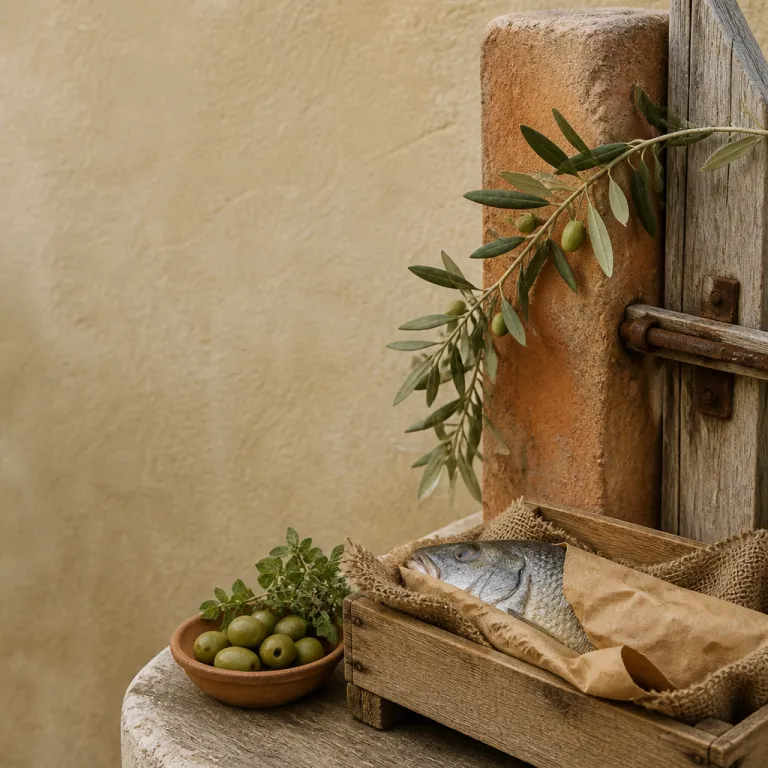
The real greek island local food traditional cuisine behind luxury stays
Luxury on a greek island is not only about infinity pools. It is also about how closely your hotel connects you to greek island local food traditional cuisine in everyday life. When you choose where to stay in the greek islands, ask how the property engages with local farmers, fishermen and artisans rather than only with room designers.
Across greece, the most memorable greek food moments rarely happen under a Michelin star. They unfold at the harbour when a fisherman hands you still glistening meat from the grill, or when a hotel host passes a plate of feta cheese drizzled with extra virgin olive oil and sea salt because “the neighbour just brought this in”. For couples booking premium rooms, the best greek experiences often come from these quiet gestures that reveal how greek cuisine is still rooted in village rhythms.
On stay-in-greek-islands.com we look at every luxury property through this lens of food greece culture. We ask whether the kitchen uses organic vegetables from a nearby garden, whether the chef understands traditional greek dishes, and whether the bar serves proper greek coffee alongside greek yogurt with local honey at breakfast. A hotel that respects greek island local food traditional cuisine will usually offer fewer dishes on the menu, but each plate will taste like the island rather than like a generic resort buffet.
Morning markets: where greek island luxury quietly begins
If you want to understand greek cuisine on any island, start at the morning market. In town squares and small harbours across the greek islands, local farmers and fishermen set up wooden stalls before 8.00, and by 10.00 the agora is at its fragrant peak. Markets typically open around 8 AM and close by early afternoon.
On Naxos, couples staying in premium suites often walk down from their hotel to watch crates of potatoes, graviera cheese and baskets of herbs change hands between chefs and grandmothers. In Crete, especially in Chania and Rethymno, the daily market is a masterclass in food greece traditions, with wild greens, olives, virgin olive oil and wedges of feta cheese lined up beside barrels of sea salt and jars of tomato sauce. These are not tourist markets ; they are working agoras where greek dishes begin their day.
For islands foodies, the rule is simple ; arrive early, bring cash and watch who the best greek home cooks buy from. You will see hotel buyers selecting extra virgin olive oil from the same producer every morning, or choosing meat from a butcher who still references ancient Greece cuts and slow cooking methods. When you later taste a salad dressed with that oil and a sauce brightened with lemon juice at your hotel restaurant, you will know exactly which stall it came from.
How to read a market like a local
Stand back for a moment and notice how people move through the market. Locals in greece rarely browse every stall ; they head straight to their preferred olive vendor, their trusted cheese maker, their favourite organic herb seller. Follow them and you will usually find the most characterful ingredients for greek island local food traditional cuisine.
On Santorini, look for sacks of yellow fava, cherry tomatoes destined for slow simmered tomato sauce, and capers that will later perfume greek dishes in cliffside restaurants. In smaller islands such as Sifnos or Tinos, the market might be only a handful of tables in the main square, but the quality of the olive oil, the tang of the local cheese and the freshness of the salad greens often surpass what you find in larger cities like Athens. Ask politely in English which products are from this island, and you will usually be offered a taste of greek yogurt, a sip of greek coffee or a cube of cheese dipped in olive oil and sea salt.
For couples staying in luxury hotels, many concierges now arrange guided walks through these markets with the hotel chef. This is where you see how traditional greek cuisine is actually sourced, from organic tomatoes to meat for slow braises, and where you understand why the best greek island properties plan menus around what appears on these stalls each morning.
The fisherman's quay: from boat to plate in Naousa and beyond
While markets show the land side of greek food, the harbour reveals the sea. On islands like Paros, Amorgos and Crete, the most authentic expression of greek island local food traditional cuisine still happens when fishermen sell their catch directly from the boat. In Naousa on Paros and Katapola on Amorgos, this ritual plays out in the early light as nets are hauled and boxes of fish are lifted onto the quay.
Here, the luxury hotel chef stands shoulder to shoulder with a grandmother choosing the best meat of the sea, pointing at gleaming red mullet, squid and small tuna. You will hear quick negotiations in greek about price, size and how the fish will be cooked, whether in a simple sauce of tomato, garlic and olive oil or grilled with only sea salt and lemon juice. For islands foodies, this is the moment when greek cuisine stops being an abstract idea and becomes a living transaction between producer and cook.
What can I buy at these markets? Fresh produce, seafood, local cheeses, olive oil, and handmade crafts. Couples can ask their hotel to arrange a short visit to the quay, often combined with a late breakfast of greek yogurt, honey and strong greek coffee back at the property. Some premium hotels in the greek islands now offer “boat to table” dinners, where the menu is set only after the morning catch, echoing practices that date back to ancient Greece fishing communities.
How to ask for the right fish
You do not need fluent greek to navigate the quay, but a few words help. Point, smile and ask your hotel host to write down names of preferred fish and simple greek dishes such as grilled whole fish with olive oil, lemon juice and herbs. Sellers are used to visitors and will often suggest the best way to cook each piece of meat from the sea.
In Naousa, look for small stalls where the fisherman's wife cleans the fish on the spot, rinsing it in buckets of sea water before packing it with sea salt. In Katapola, watch how restaurant owners choose squid for slow cooking in tomato sauce, destined for both humble tavernas and refined hotel dining rooms. When your luxury property lists “catch of the day” on the menu, ask whether it came from this quay ; the answer will tell you how seriously they take greek island local food traditional cuisine.
If you are planning a trip that combines food with wine, pair these harbour experiences with an Aegean wine route, using guides such as the wine route through the Aegean from Santorini to Crete via Paros. The same extra virgin olive oil that dresses your salad will often appear alongside local white wines, creating a clean frame for the flavours of grilled fish, butter cream based desserts and simple salads.
Garden gates and taverna plots: where greek cuisine grows
Walk behind almost any serious island taverna and you will find a garden. In Crete, Sifnos, Tinos and Naxos, many family run places cultivate organic vegetables, herbs and fruit that feed directly into greek island local food traditional cuisine. The visual clues are subtle but clear once you know what to look for.
Start with the pergola ; if grapes hang overhead and basil pots line the steps, you are likely eating salad leaves and tomatoes grown within a few metres. In the Cyclades, especially on islands like Paros and Sifnos, you will see rows of tomatoes, peppers and courgettes behind low stone walls, often dusted with sea salt blown in from the shore. These gardens supply the raw materials for traditional greek dishes such as horiatiki salad with feta cheese, slow cooked beans in tomato sauce and stewed meat with wild greens.
Luxury hotels that take food greece culture seriously often maintain their own kitchen gardens or partner with nearby farms. On Naxos, some premium properties now highlight which dishes use potatoes and cheese from specific villages, while on Crete, hotels proudly list the name of the olive grove that produces their virgin olive oil. This is not marketing ; it is a continuation of ancient Greece habits where land, family and food were inseparable.
Reading the menu through the garden
Once you have spotted the garden, open the menu with fresh eyes. Short menus that change daily usually indicate a kitchen responding to what the soil and weather have offered, which is the essence of greek island local food traditional cuisine. Long laminated lists with identical dishes in every season rarely signal the best greek approach to ingredients.
Look for mentions of organic vegetables, local meat and house made sauce, especially when paired with extra virgin olive oil and fresh lemon juice. In Crete, ask about horta, the wild greens that appear in salads, pies and side dishes, often dressed only with olive oil and sea salt. On Sifnos, seek out revithada, the slow cooked chickpea stew baked overnight in clay pots, which many hotels now serve at Sunday brunch as a nod to traditional greek island rhythms.
For couples interested in wellness as much as indulgence, these gardens also underpin many retreats in the Aegean. When researching where to stay, guides such as this overview of solo wellness retreats in the Aegean can help you identify properties where greek food, greek yogurt breakfasts and light salads are integrated into a broader sense of care rather than treated as an afterthought.
Island specific flavours: from Santorini fava to Cretan olive oil
Each island in greece has its own signature ingredients, and understanding them will transform how you read hotel menus. Santorini is defined by its fava, cherry tomatoes and capers, all thriving in volcanic soil and often cooked in simple tomato sauce or served as creamy dips with extra virgin olive oil. Crete, recognised as a European Region of Gastronomy, is synonymous with wild greens, herbs, robust olive oil and cheeses that anchor many greek dishes.
On Naxos, potatoes and graviera cheese appear in everything from baked meat dishes to comforting pies, while Tinos and Sifnos are gaining attention for artisan cheeses, cured meats and slow cooked stews. These islands foodies destinations are where you will taste some of the best greek expressions of traditional greek cuisine, often in humble village squares rather than in polished dining rooms. When a luxury hotel on a greek island references these ingredients by name, it signals a commitment to greek island local food traditional cuisine rather than to generic international fare.
Even Athens plays a role in this archipelago of flavours, acting as a gateway where chefs from the greek islands test new interpretations of greek food before bringing them back home. Many premium hotels in the capital now serve breakfast buffets featuring regional products such as Cretan olive oil, Santorini fava, Naxos cheese and thick greek yogurt from the mainland. For couples planning multi island itineraries, paying attention to these ingredients will help you choose properties that act as stewards of greek cuisine rather than mere consumers of it.
How to order like an informed guest
When you sit down in a hotel restaurant, start by asking which dishes are truly local. A simple question such as “Which plate tastes most of this island?” often leads to recommendations that highlight greek island local food traditional cuisine at its best. You might be guided toward grilled meat from a nearby farm, a salad with local cheese and olive oil, or a dessert of greek yogurt topped with fruit from the hotel garden.
Use the menu to trace the path from land or sea to plate. If a dish lists specific villages, producers or types of virgin olive oil, you are likely in good hands, especially on islands like Crete, Naxos, Sifnos and Tinos. When in Santorini, look for fava purees, tomato fritters and fish cooked in light tomato sauce, all of which showcase how greek cuisine can be both traditional and refined.
For couples who plan their travels around meals, resources such as the guide to island kitchens worth the ferry offer a curated view of where chefs are rethinking greek dishes without losing their roots. These are the places where you will taste butter cream pastries made with local milk, salads brightened with lemon juice from backyard trees and sauces that rely on patience rather than complexity.
Village etiquette: the unspoken language of plates and gifts
Beyond markets and menus, greek island local food traditional cuisine lives in the quiet exchanges between neighbours. In many villages across the greek islands, food moves constantly from house to house, from garden to taverna, from fishing boat to hotel kitchen. As a guest in a luxury property, you will sometimes glimpse this culture in the form of unbidden gifts.
When a plate of fruit appears at the end of your meal without being ordered, it is not a marketing trick. It is part of a long standing etiquette in greece, where hosts express gratitude and hospitality through food rather than through formal gestures. The same applies when a small glass of greek coffee, a spoon sweet or a bowl of greek yogurt with honey arrives “from the house” ; it is an invitation to linger and to feel momentarily part of the village.
In some places, especially on Crete and in smaller islands like Amorgos or Sifnos, you might see neighbours dropping off bags of tomatoes, jars of olive oil or homemade cheese at the back door of a taverna. This informal supply chain feeds directly into greek cuisine and keeps traditional greek dishes alive even as tourism grows. When your hotel participates in this exchange, it becomes more than a place to sleep ; it becomes a quiet partner in preserving food greece heritage.
How to respond gracefully as a traveler
When you receive an unsolicited plate or drink, the correct response is simple. Accept it with a smile, say efcharistó and, if you wish, reciprocate with a generous tip or by returning the next evening. Refusing such gestures can feel abrupt in a culture where greek food is a primary language of connection.
Couples staying in premium hotels sometimes worry about whether these gifts are included in the bill. In most traditional settings across the greek islands, anything presented explicitly “from the house” is complimentary, especially small desserts, fruit plates or shots of local spirits. If you are unsure, ask discreetly, but remember that the value of these gestures lies less in their monetary worth and more in the way they connect you to greek island local food traditional cuisine.
Over time, you will notice patterns ; the same waiter who brings you extra virgin olive oil to taste one night might appear the next morning at the market choosing salad greens, or you might see the owner delivering butter cream pastries to a neighbouring café. These small scenes are the real luxury of staying in greece, where ancient Greece traditions of hospitality still shape everyday life on each island.
Choosing hotels through the lens of greek island local food traditional cuisine
When you browse a luxury and premium hotel booking website for the greek islands, it is tempting to filter only by pool size and room category. Yet for couples who care about greek cuisine, a more revealing filter is how each property engages with greek island local food traditional cuisine. The language of the hotel description often holds clues.
Look for mentions of partnerships with local farmers, use of organic produce, daily visits to markets and menus built around seasonal greek dishes. Properties in Crete that highlight their own olive groves, or hotels in Santorini that reference specific cherry tomato growers, are usually more serious about food greece culture than those that simply list “Mediterranean cuisine”. When a hotel in Athens or on an island notes that breakfast includes greek yogurt, feta cheese, greek coffee and house baked bread with virgin olive oil, it signals attention to detail.
Another indicator is whether the hotel offers experiences that connect guests to the food chain, such as guided market tours, cooking classes focused on traditional greek recipes or visits to nearby vineyards and olive mills. These activities are not only entertainment ; they are a way for properties to support local economies, echoing the role of daily markets that sustain farmers, fishermen and artisans across greece. For islands foodies, choosing such hotels means your stay actively contributes to the survival of greek island local food traditional cuisine.
Practical checklist for food focused couples
Before booking, read beyond the photo gallery and scan the dining section carefully. Does the hotel name its suppliers, mention extra virgin olive oil from a particular region, or reference signature island ingredients like Santorini fava, Naxos cheese or Cretan herbs? These details matter more than generic claims about serving the best greek or international cuisine.
Check whether the property offers flexible dining hours that align with market rhythms, allowing the kitchen to cook meat and fish that arrive fresh each morning. Ask directly if the restaurant can prepare simple off menu greek dishes such as grilled fish with olive oil and lemon juice, village salad with local cheese and sea salt, or slow cooked stews inspired by ancient Greece techniques. A confident yes usually indicates a kitchen that understands greek food beyond presentation.
Finally, consider how the hotel fits into your wider itinerary of markets, harbours and gardens. A stay in Santorini might pair with time in Crete for its olive oil culture, while a quieter island like Sifnos or Tinos can balance the energy of Athens with slow evenings in village squares. When your accommodation choices are guided by greek island local food traditional cuisine, every plate, every cup of greek coffee and every shared salad becomes part of the journey.
Key figures behind island food culture
- International visitors to Greece in 2024 reached 36 million according to the Greek National Tourism Organisation, reinforcing the pressure and opportunity for hotels to champion greek island local food traditional cuisine.
- Daily markets on various greek islands typically open around 8.00 and close by early afternoon, concentrating the exchange between local farmers, fishermen and chefs into a few crucial hours each morning.
- Most island markets operate every day during the main travel season, which allows luxury hotels to plan menus around fresh produce, seafood, cheese and olive oil rather than relying on imported goods.
- Crete’s recognition as a European Region of Gastronomy highlights its long term commitment to olive oil production, organic farming and traditional greek dishes, making it a benchmark for food focused hotels across the Aegean.
- The growing popularity of culinary tourism in greece has encouraged more premium properties on islands like Naxos, Paros, Sifnos and Tinos to invest in gardens, farm partnerships and market based menus.
FAQ about eating like an islander while staying in luxury hotels
What time do greek island markets usually open?
Most daily markets on the greek islands open around 8.00 and are busiest by 10.00, with stalls starting to close by early afternoon. Arriving early gives you the best selection of vegetables, fruit, cheese, meat and fresh fish. It also lets you watch hotel chefs and local cooks choosing ingredients for that day’s greek dishes.
What can I expect to buy at island morning markets?
At authentic island markets in greece you will find seasonal vegetables, fruit, herbs, olives, local cheese, fresh meat and seafood, as well as olive oil and sometimes handmade crafts. These are working markets where greek cuisine begins, not souvenir stalls. Many luxury hotels source their produce here, especially on Crete, Naxos, Paros and Santorini.
Are these markets open every day on the islands?
In most popular greek islands, especially during the main travel season, markets operate daily in the morning. Smaller islands may have fewer stalls on certain days, but the rhythm of early opening and early closing remains consistent. Hotels usually adapt their menus to this schedule, planning greek island local food traditional cuisine around what appears each morning.
How can I tell if a hotel restaurant uses truly local ingredients?
Look for menus that name specific islands, villages or producers, and that highlight items such as extra virgin olive oil from Crete, Santorini fava or Naxos cheese. Ask staff where the fish, meat and vegetables come from and whether the chef visits the local market or quay. Properties that answer confidently and specifically are usually serious about greek food and traditional greek dishes.
Is it acceptable to visit local markets even if I am not cooking?
Yes, visiting markets is part of understanding greek island local food traditional cuisine, even if you eat all your meals in hotels and tavernas. You can buy fruit for the beach, small jars of olive oil or sea salt to take home, or simply observe how locals shop. Many premium hotels will happily arrange guided visits so you can experience this side of island life without needing a kitchen.